• Skip to primary navigation
  • Skip to main content
  • Skip to primary sidebar
  • Home
  • About
  • Contact
  • Privacy + Terms
  • Affiliates

The Chaos and the Clutter

  • Facebook
  • Twitter
  • Pinterest
  • Google Plus
  • RSS
  • Email
  • School at Home
  • Sensory
    • Sensory Processing Disorder
    • Awesome Sensory Play Activities
      • Sensory Bins
      • Sensory Bottles
      • Sensory Bags
  • Family Games
    • Minute to Win It Games
  • Special Needs Parenting
    • Childhood Anxiety
    • Reactive Attachment Disorder
    • Sensory Processing Disorder
  • Store
  • Course Login

Parenting in the Chaos

How to Care for Newly Pierced Ears

How to Care for Newly Pierced Ears

By Sharla Kostelyk

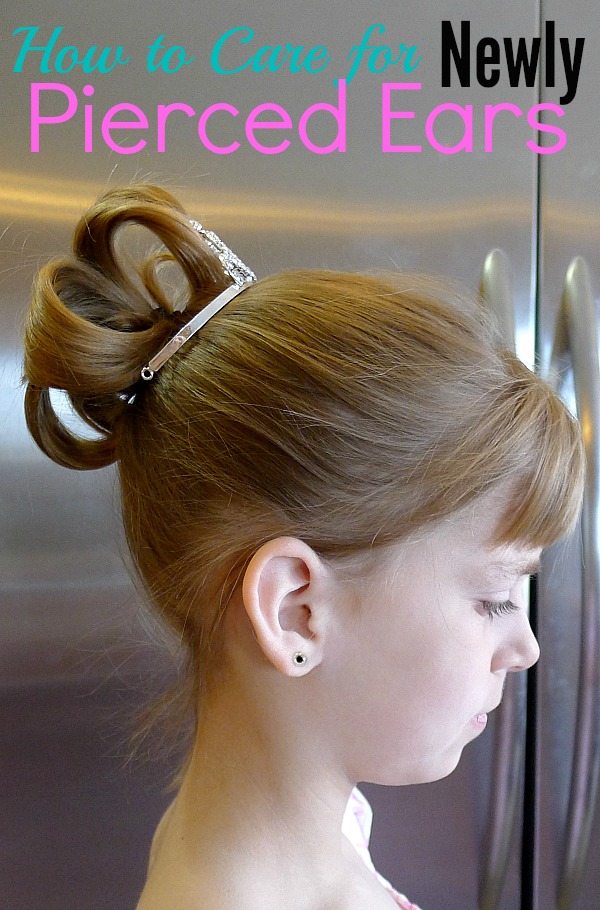
I still remember the day I first got my ears pierced and I also remember the day when I got them pierced again years later because they had grown in the first time after battling infection after infection. When it came to my three girls getting their ears pierced, I wanted to be sure to teach them how to care for newly pierced ears so that they could avoid infection and having to have them re-pierced.

Unfortunately, two of my girls turned out to be allergic to all but gold earrings so they did get infections and eventually we had to let their earring holes grow in until they were older and then we tried again. This time, we have stuck to gold earrings with one of them and plastic posts with the other and have not had trouble. Our youngest daughter is able to wear any earrings and still has her original holes.
How to Care for Newly Pierced Ears

How To Care For Pierced Ears

Before Having Their Ears Pierced:

If your child is old enough, when getting ears pierced for the first time, discuss with them beforehand the aftercare that will be required. Be sure that they understand that they will not be able to change their new earrings for quite some time and that playing with their earrings when their hands aren’t clean can lead to infection.

Where To Get Ears Pierced:

Have ears pierced at a reputable place with qualified staff. You do not want to risk unsanitary equipment or inexperienced staff who get the placement wrong or make things more painful than they need to be for your child.

Best Earrings For Newly Pierced Ears:

Be sure that the earrings have a gold post which is less likely to cause swelling or infection. If your child has a nickel allergy, you can instead choose plastic post earrings.

New Ear Piercing Care:

  1. Wash hands thoroughly before touching the ears or the earrings.
  2. Use a cotton swab (Q-tip) with salt water to clean the area around the hole twice a day. Some recommend using hydrogen peroxide, rubbing alcohol, or antibiotic ointment but salt water disinfects and is less damaging to the skin tissue. The place where you have the piercing done will likely recommend an ear piercing cleaning solution, but salt water is what I would recommend (not only is it better for the skin, it’s less expensive too!).
  3. With clean hands, gently rotate the earrings in the ear at least twice a day.
  4. Watch for signs of infection which include redness, itching, swelling, heat, pus, and pain. Infection can be caused by bacteria or by allergic reaction.

This video has some great tips for piercing after care as far as what to avoid and the best after care products.

<iframe width=”560″ height=”315″ src=”https://www.youtube.com/embed/pP0oRDqitm0″ title=”YouTube video player” frameborder=”0″ allow=”accelerometer; autoplay; clipboard-write; encrypted-media; gyroscope; picture-in-picture” allowfullscreen></iframe>

Can You Go Swimming After Getting Your Ears Pierced?

It is good to wait 2-3 weeks before going swimming as the bacteria and chlorine can cause irritation and possible infection.

How Long For Pierced Ears To Heal?

  1. Leave the original earrings in for about 6 weeks, until the holes have healed completely.
  2. If your child is active or involved in sports, I would recommend they wear small studs instead of hoops or dangly earrings which can get caught or tangled and in some cases, even rip through their ear lobe.

Deciding whether or not to pierce your child’s ears as well as deciding what age to do that is a decision best left up to each individual parent. Some parents have their daughters’ ears pierced when they are babies while others wait until their kids are old enough to be part of the decision or are old enough to help with the care and maintenance of them. Whatever the case is in your household, proper aftercare is important.
Filed Under: Parenting in the Chaos

Books for Kids About Liking Who They Are

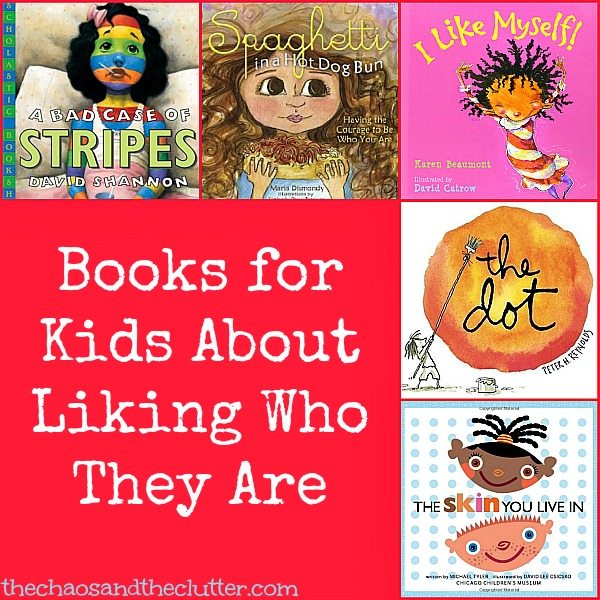
Books for Kids About Liking Who They Are. These are great self-esteem boosters.

By Sharla Kostelyk

Self-esteem is a word that gets thrown around fairly liberally, but it is important for kids to learn to embrace their uniqueness and to like themselves for who they are. They get so many messages from the media about having to aspire to some sort of unattainable perfection that it is important that we counter that with our own message about them being good enough just the way they are.

Books for Kids About Liking Who They Are. These are great self-esteem boosters.

These messages can be even more important for kids who may feel different because of a special need or a visible difference such as a hearing aid, scarring or being significantly larger or smaller than same-age peers.

Books for Kids About Liking Who They Are

I often use books in helping me reinforce the values I am trying to teach my kids. Here are some books that help teach kids about being okay just being themselves:

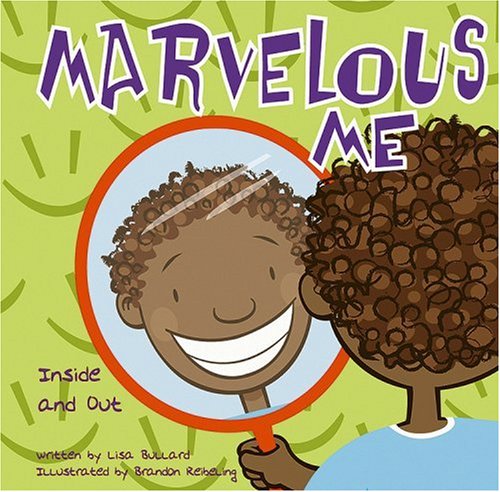
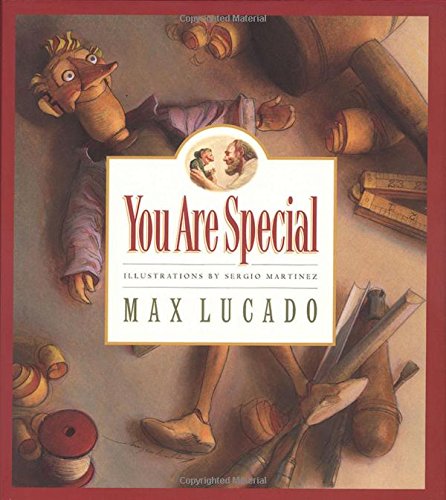
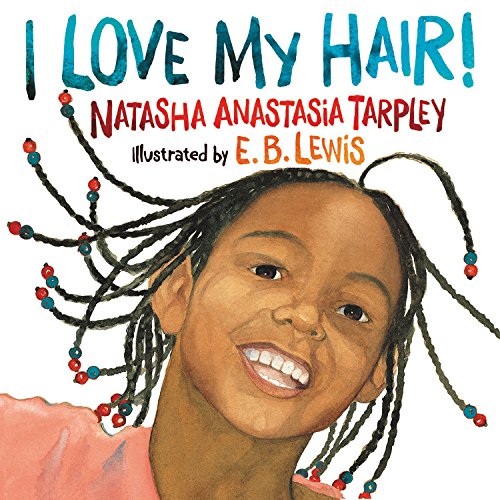
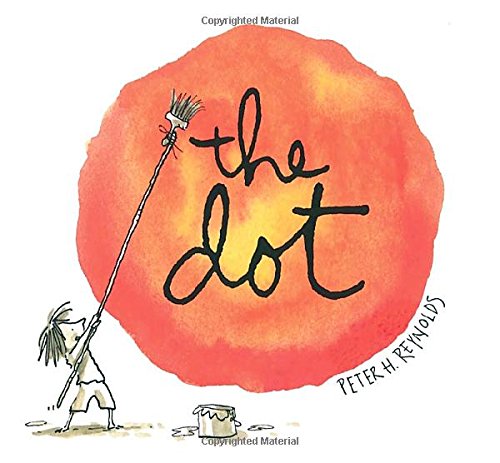
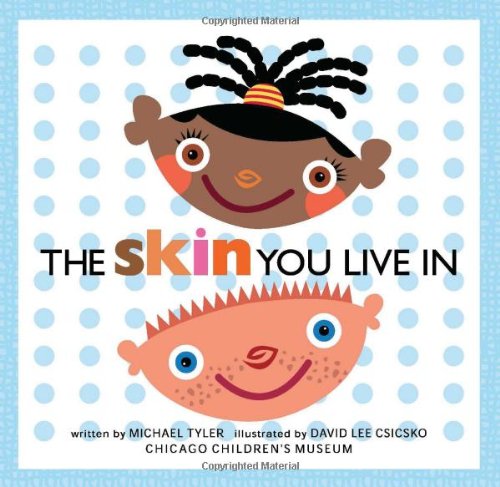
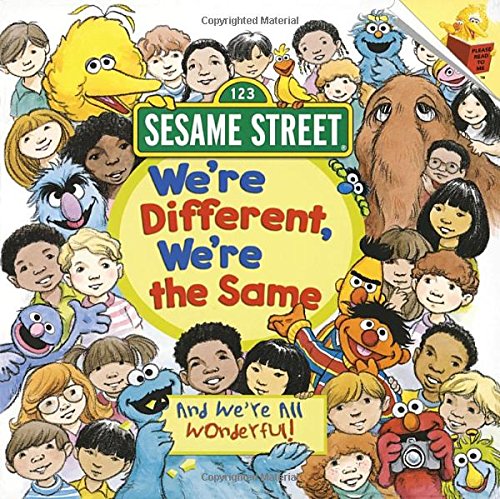
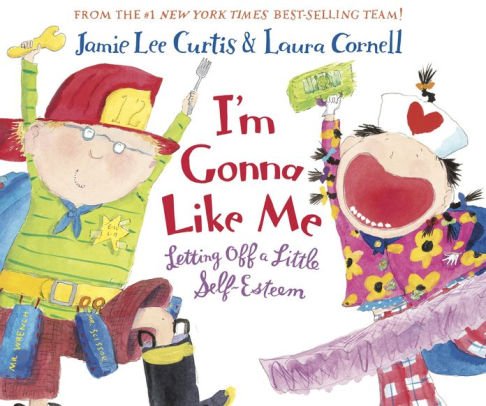
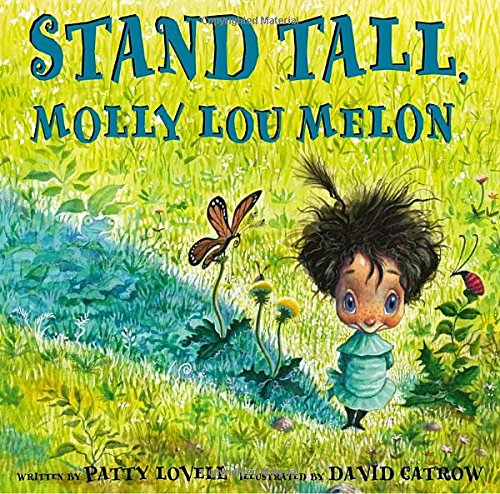
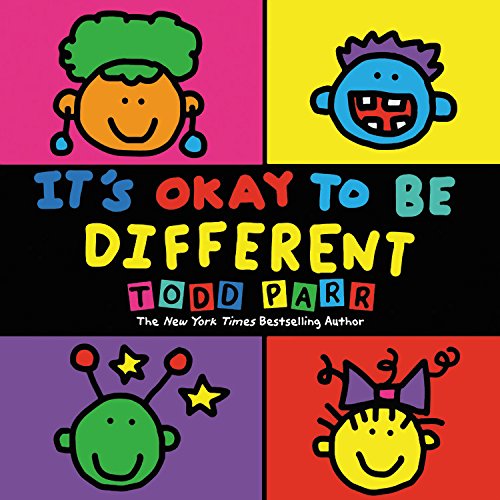
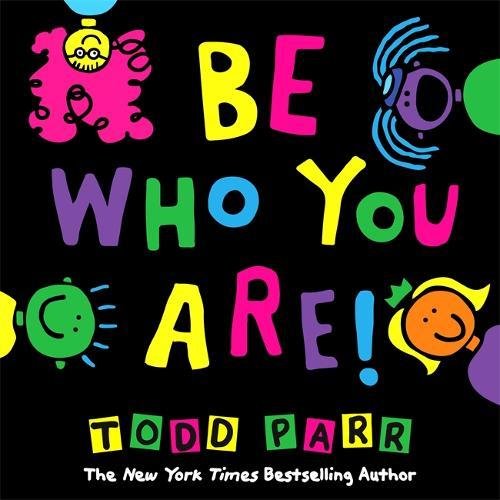
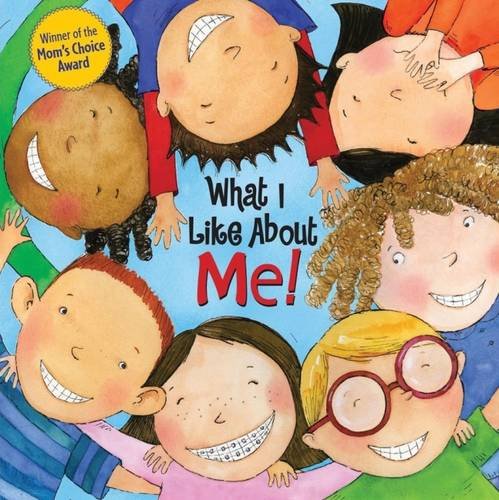
A Bad Case of StripesA Bad Case of StripesSpaghetti in a Hot Dog Bun: Having the Courage To Be Who You AreSpaghetti in a Hot Dog Bun: Having the Courage To Be Who You AreI Like Myself!I Like Myself!Marvelous Me: Inside and OutMarvelous Me: Inside and OutYou Are SpecialYou Are SpecialI Love My Hair!I Love My Hair!The DotThe DotThe Skin You Live InThe Skin You Live InWe're Different, We're the SameWe’re Different, We’re the SameI'm Gonna Like MeI’m Gonna Like MeStand Tall, Molly Lou MelonStand Tall, Molly Lou MelonIt's Okay To Be DifferentIt’s Okay To Be DifferentBe Who You AreBe Who You AreWhat I Like About Me!What I Like About Me!

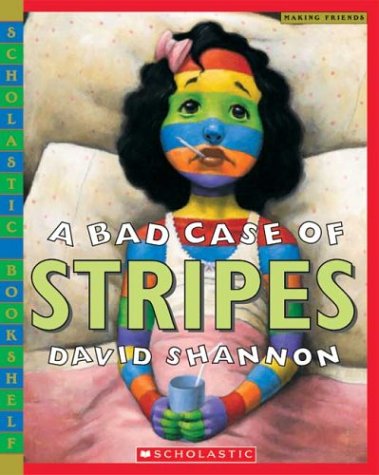
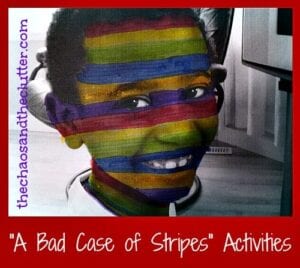
A Bad Case of Stripes – This is one of our all-time favourite read-alouds! We’ve even done some really fun activities to go along with the book and help cement the concept of being who you are.

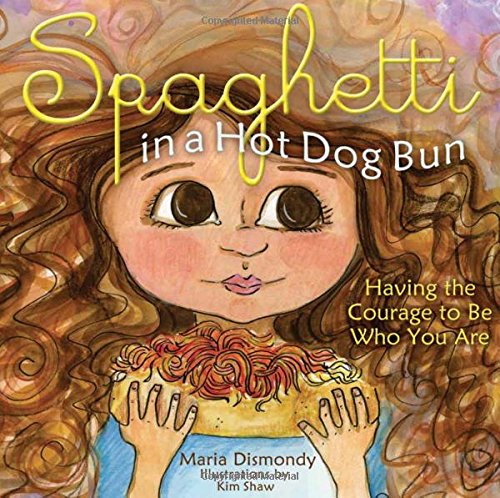
A Bad Case of Stripes ActivitiesSpaghetti in a Hot Dog Bun – This is a neat book because it lends itself to discussions on bullying, family traditions and embracing your uniqueness. Essentially, it’s a book about having the courage to be who you are, presented in a way that kids can easily understand and relate to.

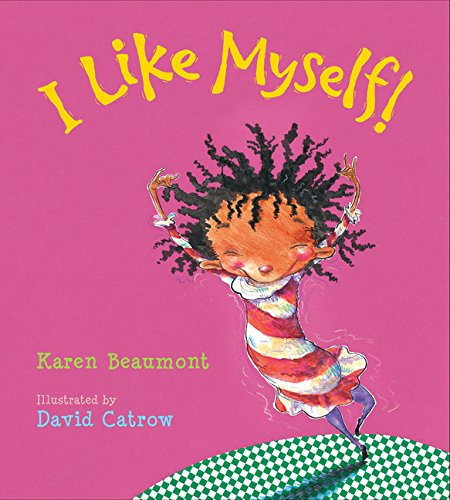
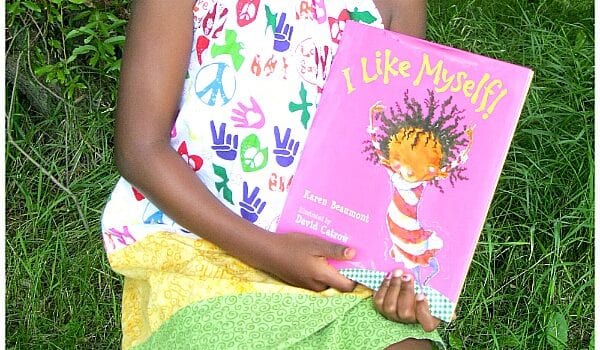
I Like Myself – This is another family favourite. What parent doesn’t want their child to be able to say they like themselves? When I told the kids that I wanted to take a picture of them with their favourite book, this is the one that Dancing Queen chose.

You are Special – The underlying message in this book is that God cherishes each of us, exactly as we are, regardless of how the world perceives us or of how others treat us. It’s a long book for a read-aloud so you may want to break it into parts. Another book by the same author (Max Lucado) called If Only I Had a Green Nose reminds kids that they are created as unique for a reason.

I Love My Hair – This book obviously doesn’t apply to all kids, but if you have a daughter of African descent who struggles with liking her hair, this book is awesome! It has helped Dancing Queen to feel like her hair is another part of herself to be celebrated, not hated.

The Dot – “Just make a mark and see where it takes you.” This book helps kids discover their talents and encourages them to follow their own path.

The Skin You Live In – This is a great book about diversity and self-esteem. It is simple enough for even young children.

The rest of the books in the list above are not ones we have read yet, but they seem to be ones that teach the same lesson. Are there any that you would add to this list?

Filed Under: Homeschooling, Parenting in the Chaos

Spring Tea Party for Girls

By Sharla Kostelyk

My girls are forever asking me if they can have a tea party. When they were younger, this meant using play dishes and water that they called tea. Now that they are a bit older, this just means that they will set out some mugs and napkins on the little table and drink tea. Sometimes they make it more elegant by dressing up or by serving cookies. There are always giggles and sometimes I join in. Other times, their dolls or stuffed animals join them!

I wanted to do something special to surprise the girls and create a memory for them so I planned a real tea party. I invited some friends and their daughters to join us for a girls only dress up event.

Tea Party for Girls
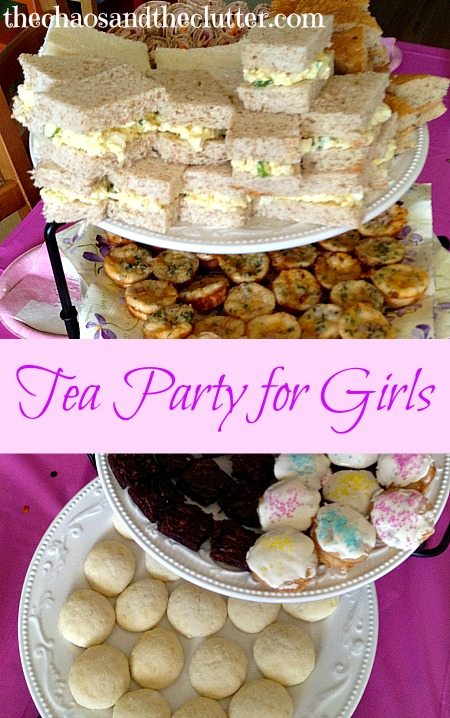
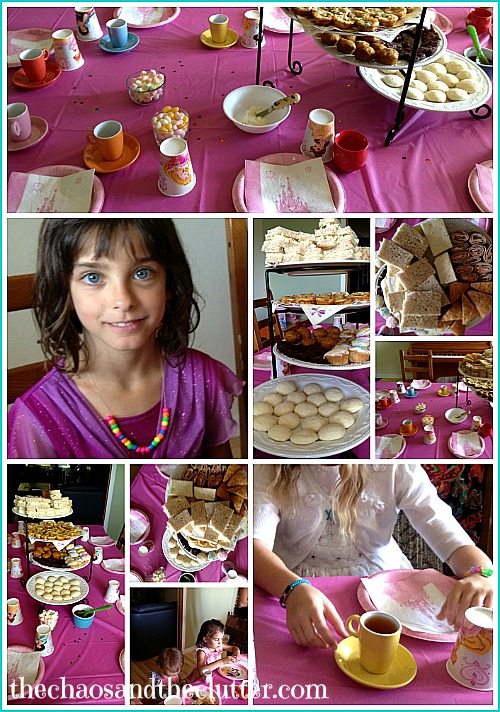
I threw the party together somewhat last minute (quite typical of my parties) while the boys were at camp and we had girls-only time to fill. We draped things in pink, brought out some old Princess napkins, plates and cups and set about making some tea party food… because we all know that any party really is about the food, I mean about the guests of course!

girls tea partyI set out a few bowls of soft coloured jelly beans and mini marshmallows. I made whipped lavender butter and set out a few bowls of jelly to go with the delicious mini homemade scones. I used a tiered tray and served iced cookies, squares, scones, mini pumpkin muffins (my grandma’s famous recipe), mini quiches made by my friend Christie, and tea sandwiches.

A friend brought a set that she had of small tea cups and saucers for the girls to use. Us moms used my regular tea cups.

The trick to making tea sandwiches is to make them look elegant or cute. You can achieve this by something as simple as cutting off the crust or cutting them into different shapes. I made egg salad sandwiches on white and brown (with crusts cut off), cucumber and dill cream cheese on white (crusts removed), ham and cheese spirals on whole wheat tortillas, swiss and sauerkraut with grain mustard on rye, and peanut butter on ciabatta buns cut into triangles. Of course at a ladies tea party, I wouldn’t serve peanut butter sandwiches, but since this was a mother-daughter party, I wanted to be sure to cater to the younger crowd!

If you are planning your own tea party, there is a list of tea party printables, activities and crafts on Homeschool Giveaways that is very useful for planning extra activities or having colouring sheets and the like for kids to do at the party. You may also be interested in following my Party Planning or Tea Time board on Pinterest.

Filed Under: Parenting in the Chaos

Making the Choice to Medicate Your Child

Making the Choice to Medicate Your Child

By Sharla Kostelyk

This is an article that is heavy for me to write and it is also scary for me to write. I expect that there may be negative comments and I may even lose readers. I’m not happy about those possibilities, but I’m prepared for them. I’m writing this in case there is even one parent out there who either is struggling to make this decision or who already has and is guilt-ridden with their choice. If I help one of those parents in sharing our story, the negative consequences will be worth it.

Making the Choice to Medicate Your Child

If your child has diabetes that needs to be controlled by insulin, that choice is an obvious one. Our oldest daughter has a lung disease. The medication she needs has side effects, but it keeps her alive , so that choice has never been a difficult one.

But what about if the medication your child needs isn’t to save their life? What about if the medication is for behaviour or mental health issues? Then, the decision isn’t as obvious and it can be gut wrenching.

I’m choosing to share parts of our story but I’m also choosing to leave out the worst details, details those of you without children like mine cannot fathom, things you’ve likely never considered. Leaving out those details is a bit of a catch 22. If I shared those details with you, there is little doubt that you would better understand my position and be supportive. But if I shared those details, I would be sharing private things about one or more of my children that could follow them around for the rest of their life because the internet is wide-reaching. I’m choosing a bit of a middle ground…sharing enough that those who do have children like mine will likely be able to read between the lines and feel understood but leaving out enough to protect my kids.

Our story begins many years ago with the birth of our two relatively healthy boys and then ventures down our path to the adoption of five more children, all of whom have special needs. Our oldest boys had no special needs other than one having dyslexia.

At that point, medicating a child wasn’t something I considered except perhaps to silently judge the parents who chose Ritalin and other such “needless” and “overprescribed” medications. It was easy for me to judge because I had never been in those parent’s shoes.

Upon the diagnosis of some of our adopted children and the onset of difficult behaviours related to their diagnoses which included such things as SPD (sensory processing disorder), ADHD, Aspergers, and a neurodevelopmental disorder (FASD), suddenly medicating for behaviours was something we were being asked to consider.

I saw medication as a last resort and even when doctors suggested that we might want to consider it for one of our kids, ultimately, we decided against it, reasoning that we could try other interventions. Thanks to educating ourselves on sensory issues, making changes to their environment and homeschooling, we were able to avoid medication. I felt quite proud that we weren’t one of “those families”.

Fast forward a few years to when our son’s Aspergers traits were becoming more pronounced…he was struggling and so were we. I still saw medication as a last resort and researched other ideas. We chose to try putting him on a gluten free diet and the results have been remarkable! Once again, we were able to avoid medicating.

Another one of our children was beginning to display challenging behaviours that took over our home life. This child was eventually diagnosed with PTSD (post traumatic stress disorder), RAD (reactive attachment disorder) and anxiety disorder. By the time we had a diagnosis and a team of specialists, we were at the end of ourselves and so was she. I couldn’t even recognize the child she had become. She never smiled anymore or got any enjoyment out of anything.

Her anxiety was so high that she was barely able to function in day to day tasks and was completely unable to access her brain for learning. The behaviours were holding our family hostage. We were all suffering. She was suffering. It was a terrible feeling to see one of my kids in so much pain and to be unable to help her. Nothing we tried worked. Therapy made things worse.

I got to the point where I was willing to medicate her. The Husband wasn’t yet in agreement. I resorted to videotaping a 20 minute period of what the days with her were really like to show only to him. Once he saw it, he was on board with doing whatever it took to get her the help she needed. Even once we were both on the same page, it still wasn’t easy to follow through with it.

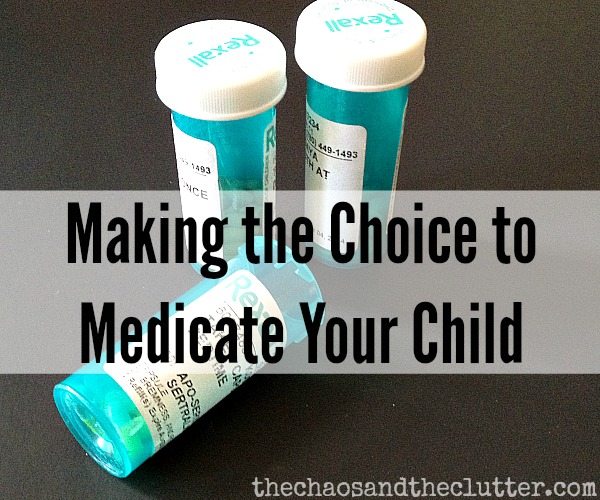
I second guessed myself a thousand times. We started with just giving her something to help her sleep, hoping that some solid sleep would help. It wasn’t enough. Within a month of that, she was on a total of 3 medications. The first time I went to the pharmacy to pick them up, I felt sick. I was embarrassed. I worried that the pharmacist would judge us for putting a child so young on those types of medications. (As an aside, I have felt judgement from some of the pharmacists at times but I tell myself that they don’t know her story or ours and that helps me.)

I worried about side effects. I worried about her never being able to get off the medications. I worried that by starting when she was so young, we would have to keep increasing the doses. I worried that it was dangerous. I worried that we were doing the wrong thing.

After I gave her her pills for the first time, I went to my room and cried. I felt like I had failed. Failed her. Failed at being a mom.

And then, three days later, I saw her smile. The day after that, I was in the kitchen and I heard an unfamiliar sound in the homeschool room. I rushed around the corner, holding my breath, hoping it was what I thought it was. It was. It was her giggle. It had been eight months since I had heard her laugh. She was back. Our daughter was back!

It’s been a little over a year since we made the decision to medicate our daughter. We haven’t had to increase any of the medications. She has had the side effect of weight gain which I worry will become a self-esteem issue for her.

Our goal is to be able to teach her through education and therapy how to control her anxiety and behaviour issues on her own and eventually come off the medication.

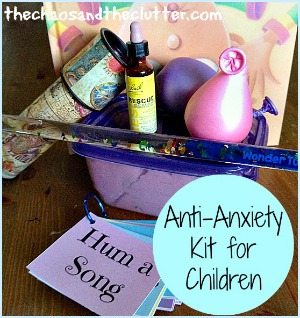
We still do whatever we can using natural means such as the anti-anxiety kit I created for her which includes some natural remedies and by creating sensory outlets for her such as sensory bins. We also took her through a year long treatment program for attachment and trauma and she is in ongoing therapy.

Making the choice to medicate your child for behaviour or mental health issues is not one that should be taken lightly. You will want to ask the doctor questions such as:

  • What are the potential side effects?
  • How soon can we expect to see results? What results should we expect?
  • What is the part of the treatment plan that does not include medication?
  • Is there a goal for weaning off the medication at some point?
  • Is the medication addictive?
  • How often will dosage be reevaluated?
  • Are there other medications or foods that need to be avoided while on this medication?
  • What is the cost and is the medication covered by insurance?

I would also highly advise that you ensure that you and your spouse are on the same page when it comes to making this decision. Have your spouse attend important appointments with you pertaining to your child if possible so that they can get a clearer picture and be able to participate in making an informed decision.

Join me for a free 5 part email series, Little Hearts, Big Worries offering resources and hope for parents.

Filed Under: Parenting in the Chaos, Special Needs Parenting

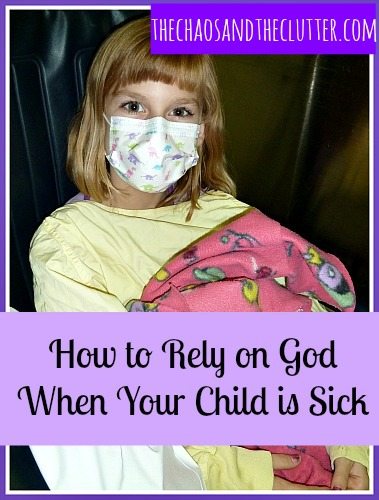
How to Rely on God When Your Child is Sick

By Sharla Kostelyk

How to Rely on God When Your Child is Sick

I make the drive on autopilot, having made this trip hundreds of times now. I never bother to look for empty spots as I snake my way down the parkade to “our” parking stall, the one in the corner of the lowest level. “Our” parking spot is near the stairs. Some days as we run up the six flights to the top floor, I pause to exhale a prayer of thanks. Taking the stairs is a victory for my daughter.

The first time I drove to this building, we had been discharged from the hospital, my daughter still struggling to breathe. I had begged the doctors there not to send us away, had known in my mommy gut that their assessment was wrong, that something was so terribly wrong with my baby girl.

In the hospital parking lot, I cried out to God for a miracle and He whispered a name. I called that friend and left a sobbing message on her machine. As I drove further away from the hospital, feeling more desperate with each block, I helplessly watched my daughter labour for breath in the back seat. My mind raced.

The cell phone rang. It was the friend whose name had come to mind when I had asked God for a miracle. I heard only snippets of what she was saying “best pediatric pulmonary doc…staying open past closing for you…follow my exact directions to get there…go now”.

When we arrived, her lips were again blue. The doctor was incensed but not surprised that the hospital had discharged her. He began to treat her right there in his office. He was able to accurately diagnose her and take over her future care. Some might say the doctor saved her. I know of course that it was God who saved her, God who has plans for her, God who has blessed me with her for this time.

Having a daughter with a chronic illness has caused me to rely on and trust God in ways that I never thought I could. Through it all, my daughter has taught me the power of compassion and positivity and shown me the true meaning of bravery.

Learning to rely on God in the midst of our daughter’s illness did not come easily for me. It is something that at times I still have to work on. These are the things that helped me:

Accepting that I couldn’t change the situation.

My daughter’s health was something I could not control no matter how much I wanted to or tried. Understanding that worrying constantly or being in a state of near panic did not help to bring her healing helped me to release that burden of worry over to God.

Reading His word.

The Bible talks an awful lot about fear. Reading those verses helps me not only to relinquish that fear but also to realize that for God to provide us with so many verses about it, He must understand how difficult fear is for us.

“For I am the LORD, your God, who takes hold of your right hand and says to you, Do not fear; I will help you.”
Isaiah 41:13 (NIV)

Believing in the power of prayer.

I read books and listened to sermons and researched prayer. Then of course, I prayed. I asked others to pray. I continue to pray for a complete and miraculous healing for our daughter.

Knowing that God is the ultimate Healer.

Read verses such as Psalm 103:1-3, Matthew 14:14 and Exodus 23:25-26. Put your trust in Him.

Filed Under: Parenting in the Chaos, Special Needs Parenting

Children’s Books About Emotions

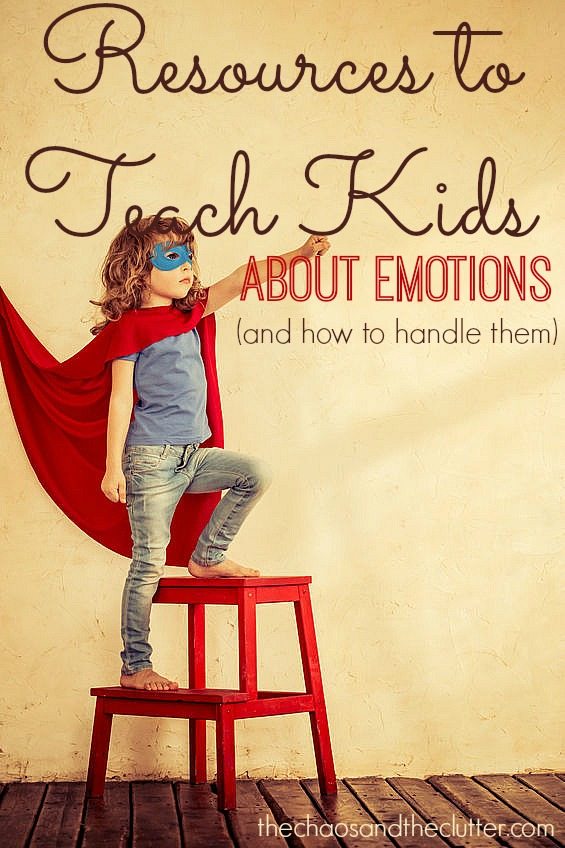
Resources to Teach Kids About Emotions and How to Handle Them

By Sharla Kostelyk

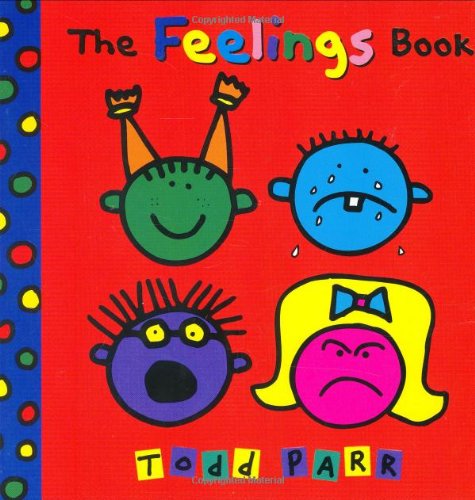
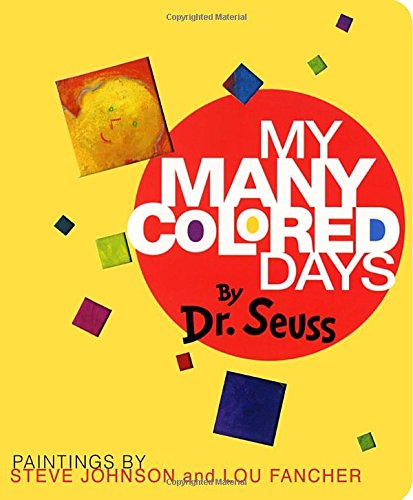
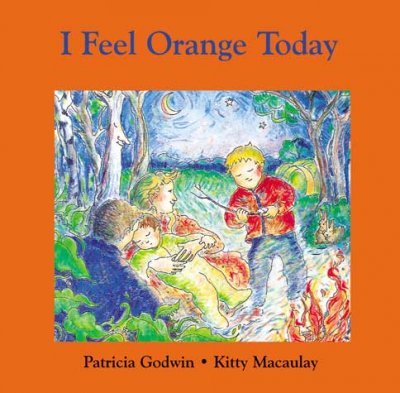
For some children, learning about emotions comes fairly naturally but for others, feelings are a bit of a mystery. There are many great children’s books about emotions that are available to help teach children not only what emotions are, but how to manage them.

Resources to Teach Kids About Emotions and How to Handle Them

Whether your child struggles with learning about feelings due to autism/Aspergers, boundary issues, attachment issues (or full blown RAD), learning disabilities, or just their young age, these resources are a non-threatening and often fun way to improve their emotional IQ skills in the home or the classroom. They can also help them learn to express their feelings effectively and give them more confidence.

One of our sons has Aspergers (a form of autism), so identifying and understanding emotions is a challenge for him. We have worked with him extensively on this including using books and things such as emotion cards.

Two of our kids have attachment issues which also lead to difficulty understanding appropriate emotions and trouble managing their feelings, boundaries and behaviours. I find with them that certain books have been excellent in allowing them to express where they are at emotionally that day or even in helping them to find new strategies to deal with their emotions.

Books can be a great way to help children learn to not only be able to identify and talk about different emotions, but even give them ideas of how to better manage their emotions. We use books for teaching tools on a regular basis and particularly those that facilitate discussions about feelings.

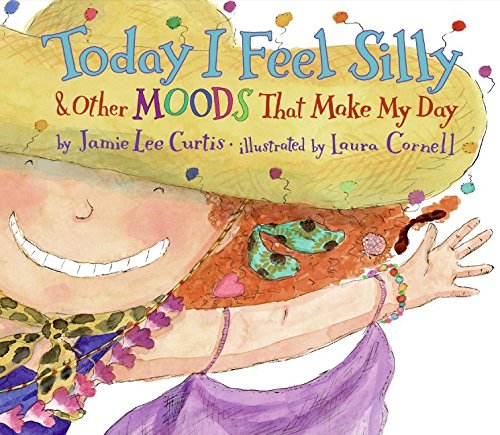
I often expand the books into discussions, crafts and activities. For the book Today I Feel Silly, we did a craft and I printed out emotion cards for us to do exercises with.

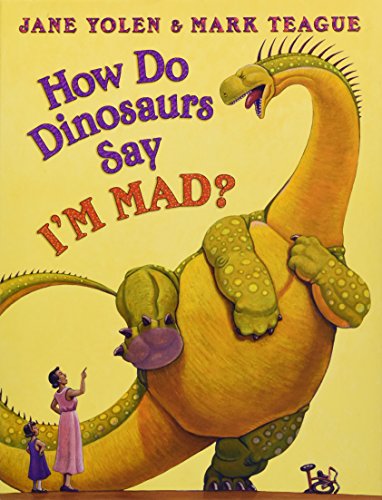
The book How Do Dinosaurs Say I’m Mad has recently become a favourite of ours because it has been a tool for helping our kids to identify how they (inappropriately) manage their anger and give them new skills for managing their anger more appropriately in the future.

It plays out many different ways that “a dinosaur” might say that they are mad such as slamming doors, ignoring their parents, or pretending they don’t care. These scenarios are an easy way for me to ask my kids which one of those pages is most like the way they behave when they are feeling angry.

They have actually been able to identify themselves quickly and have even laughed about how accurately the book describes how they react. The book ends by showing more appropriate ways the dinosaur could show his feelings or make amends for his poor reactions.

We then talk about this and they identify how they would really like to react next time they are struggling with anger. I have even given them some role play scenarios to act out and practise their responses.

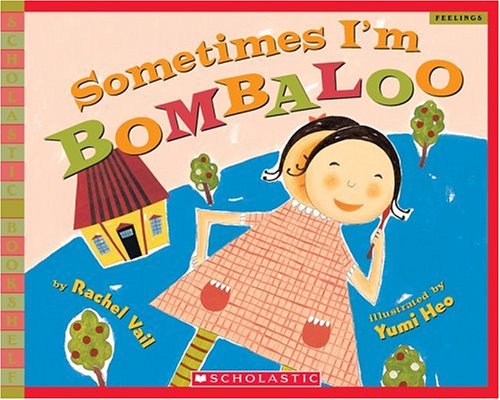
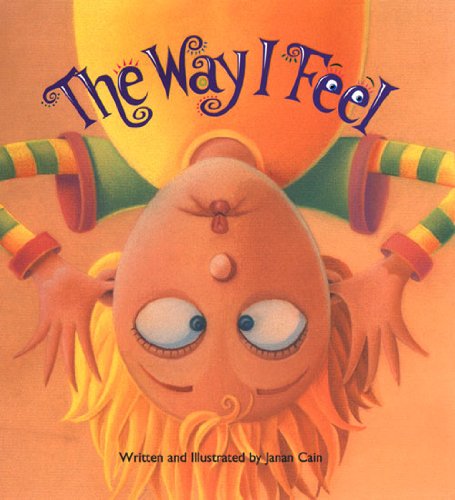
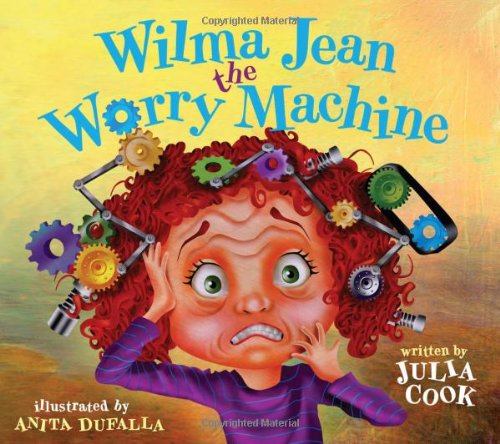
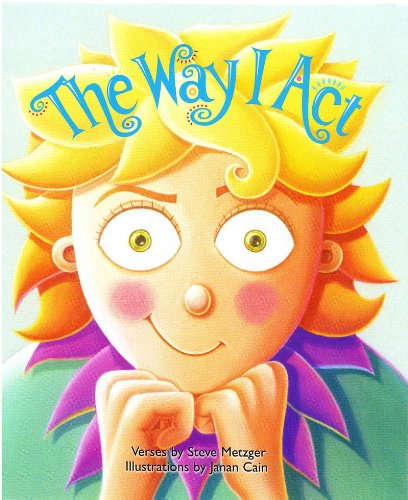
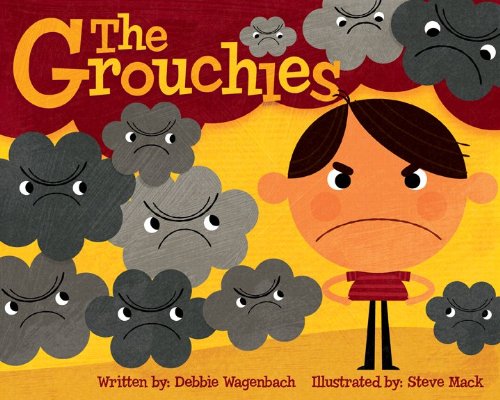
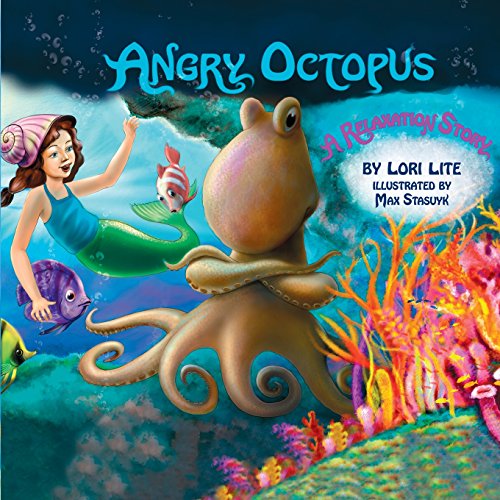
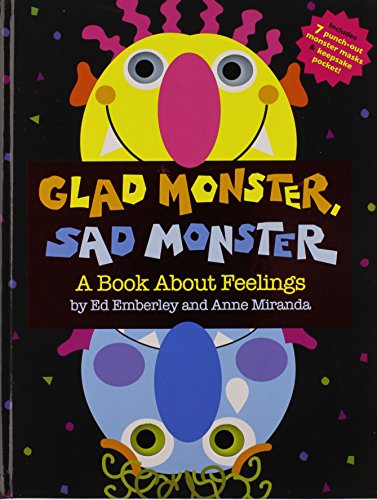
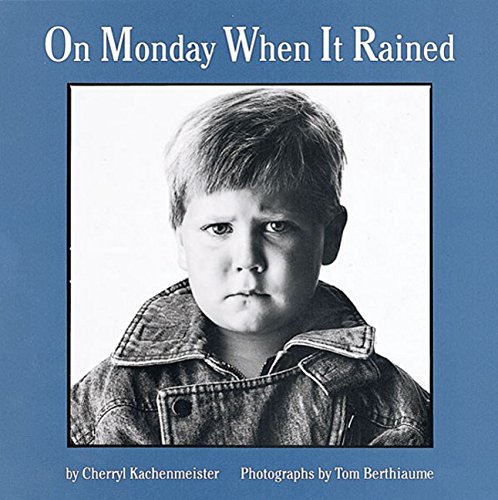
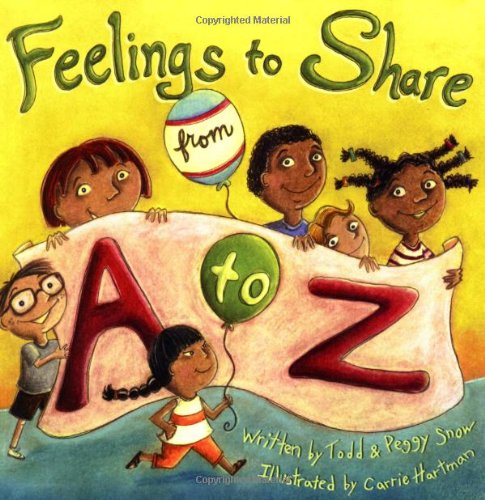
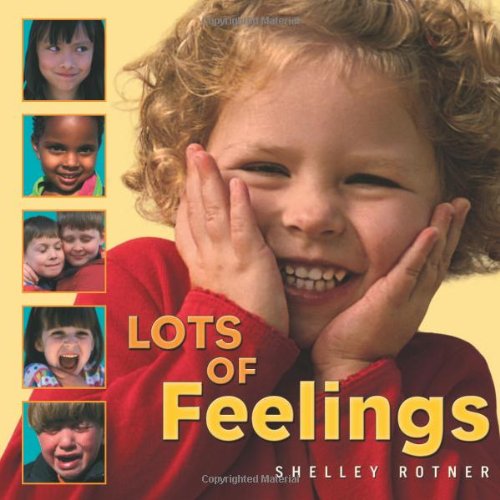
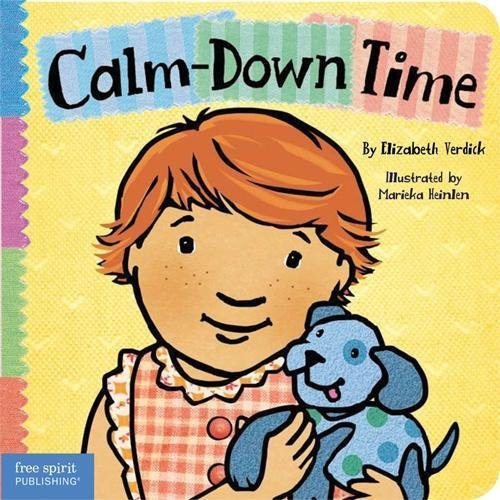
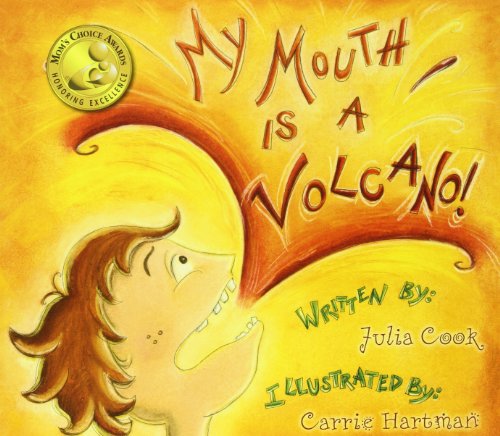
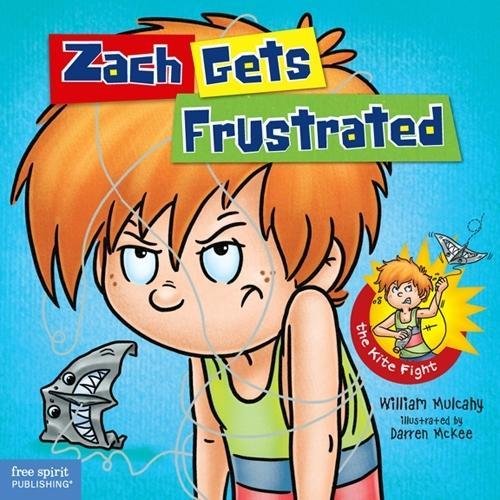
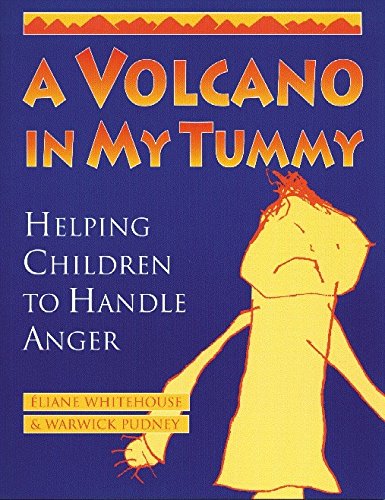
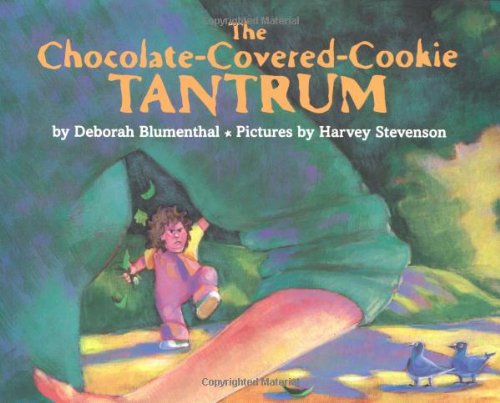
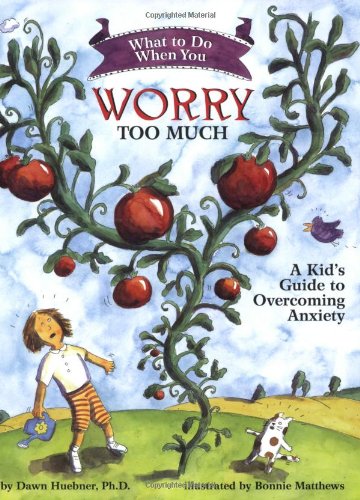
Sometimes I'm Bombaloo (Scholastic Bookshelf)Sometimes I’m Bombaloo (Scholastic Bookshelf)The Way I FeelThe Way I FeelWilma Jean the Worry MachineWilma Jean the Worry MachineThe Way I ActThe Way I ActThe GrouchiesThe GrouchiesThe Feelings BookThe Feelings BookMy Many Colored DaysMy Many Colored DaysToday I Feel Silly: And Other Moods That Make MyToday I Feel Silly: And Other Moods That Make MyI Feel Orange Today (Reprint)[ I FEEL ORANGE TODAY (REPRINT)I Feel Orange Today (Reprint)[ I FEEL ORANGE TODAY (REPRINT)Angry Octopus: An Anger Management Story introducing active progressive muscularAngry Octopus: An Anger Management Story introducing active progressive muscularGlad Monster, Sad MonsterGlad Monster, Sad MonsterOn Monday When It RainedOn Monday When It RainedFeelings to Share from A to ZFeelings to Share from A to ZLots of Feelings (Shelley Rotner's Early Childhood Library) (Shelley Rotner'sLots of Feelings (Shelley Rotner’s Early Childhood Library) (Shelley Rotner’sHow Do Dinosaurs Say I'M MAD?How Do Dinosaurs Say I’M MAD?When My Worries Get Too Big!When My Worries Get Too Big!Calm-Down Time (Toddler Tools)Calm-Down Time (Toddler Tools)My Mouth Is a Volcano!My Mouth Is a Volcano!Zach Gets Frustrated (Zach Rules Series)Zach Gets Frustrated (Zach Rules Series)A Volcano in My Tummy: Helping Children to Handle AngerA Volcano in My Tummy: Helping Children to Handle AngerThe Chocolate-Covered-Cookie TantrumThe Chocolate-Covered-Cookie TantrumWhat to Do When You Worry Too Much: A Kid'sWhat to Do When You Worry Too Much: A Kid’sWhat to Do When You Grumble Too Much: A Kid'sWhat to Do When You Grumble Too Much: A Kid’sWhat to Do When Your Temper Flares: A Kid's GuideWhat to Do When Your Temper Flares: A Kid’s Guide

There are other tools available for teaching children about feelings, from charts and reminders to games. As mentioned above, we regularly use the emotion cards to help our son Einstein to identify feelings and to become more at ease with talking about them.

We also use the scenario cards they contain with him and with our daughter who suffers from PTSD (post traumatic stress disorder) to prepare them for upcoming events or things they may encounter.

We like many of the other resources here as well including the posters and feelings mood magnet (it is easier for my son Snuggle Puppy to move the magnet to show me how he is feeling than to tell me in words). The visual cues help kids identify their feelings.

As a family, we also find specific board games are a good way to work on this skill without singling out the kids that most need work in this area and making the learning fun.

I’ve put together a complete resource kit full of printable games and activities for parents to teach their kids about emotions and how to manage them.The most effective thing we have found to date for managing high emotions such as anxiety is the anti-anxiety kit we created for our daughter. It is very easy to make your own and I have included printable relaxation prompts with the ability to personalize for what works best for your child.

Our “calm down kit” continues to be extremely effective at not only diffusing meltdowns, but at helping Dancing Queen to learn to better manage these episodes on her own.

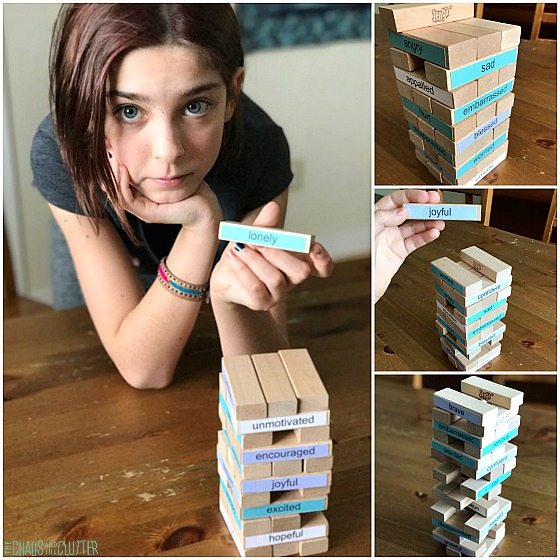
Create an Anti-Anxiety Kit for Your Child including free printable relaxation promptsAnother way that we teach about emotions in our home is through our Feelings Jenga game. You can easily create your own and there are several methods of play that encourage both understanding feelings and being able to go deeper with them. The Feelings Jenga Game is also included in the Teaching Emotions Toolkit.

Join me for a free 5 part email series, Little Hearts, Big Worries offering resources and hope for parents.

Click here for more ways to teach feelings:

Feelings Jenga Game

The Kissing Hand Activities

Free Printable Emotion Faces

How To Teach Kids Emotional Regulation


Filed Under: Parenting in the Chaos

  • « Go to Previous Page
  • Page 1
  • Interim pages omitted …
  • Page 8
  • Page 9
  • Page 10
  • Page 11
  • Page 12
  • Go to Next Page »

Primary Sidebar

Categories

We are a participant in the Amazon Services LLC Associates Program, an affiliate advertising program designed to provide a means for us to earn fees by linking to Amazon.com and affiliated sites.

Copyright © 2026 • The Chaos and the Clutter • Site Design by Jeni @ The Blog Maven

Return to top of page

Copyright © 2026 · Chaos and the Clutter 2.0 on Genesis Framework · WordPress · Log in