• Skip to primary navigation
  • Skip to main content
  • Skip to primary sidebar
  • Home
  • About
  • Contact
  • Privacy + Terms
  • Affiliates

The Chaos and the Clutter

  • Facebook
  • Twitter
  • Pinterest
  • Google Plus
  • RSS
  • Email
  • School at Home
  • Sensory
    • Sensory Processing Disorder
    • Awesome Sensory Play Activities
      • Sensory Bins
      • Sensory Bottles
      • Sensory Bags
  • Family Games
    • Minute to Win It Games
  • Special Needs Parenting
    • Childhood Anxiety
    • Reactive Attachment Disorder
    • Sensory Processing Disorder
  • Store
  • Course Login

Parenting in the Chaos

Setting Up an Effective Morning Routine for School

By Sharla Kostelyk

The school year is back in session and many of us are trying to get our children out the door in the morning. I can’t even tell you how hard this is! This can be rough for kids, especially when transitioning back into a morning routine for school.  a cute black girl with her hair in high pigtails wearing a white shirt and teal pants is brushing her teeth. The text reads "tips for getting your child out the door in the morning"They feel exhausted. Some kids have a hard time with the idea of being gone all day. You can help get your child out the door in the morning by following these tips:
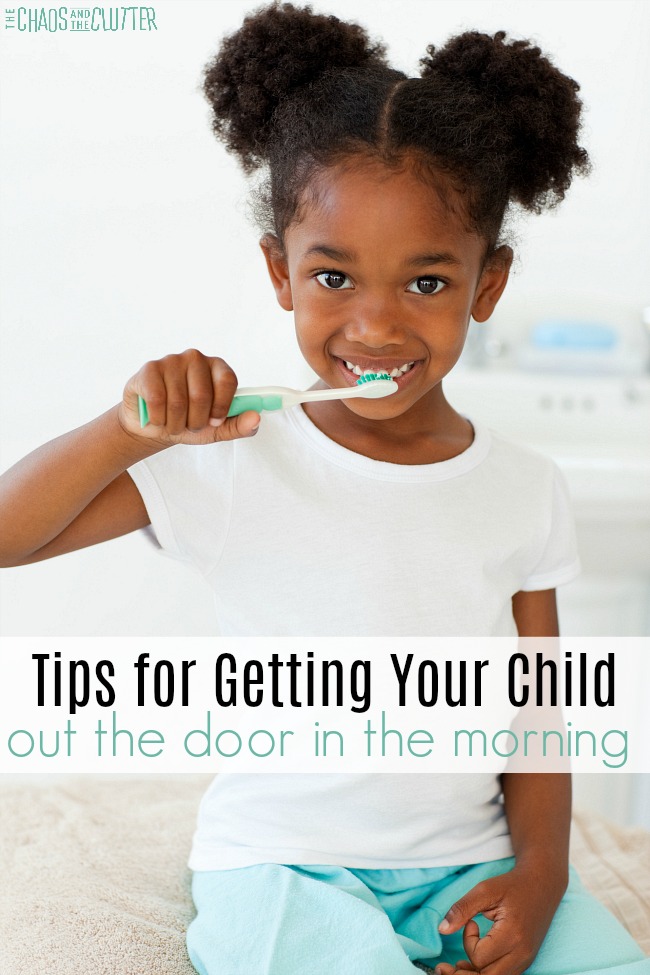
Tips for Getting Your Child Out the Door in the Morning

Are you tired of fighting your child in the mornings? Morning routines can come with a lot of drama. However, there are some things you can do to take some of the stress out. You don’t have to be stuck in a rut of screaming and yelling to get your kids to listen to you. Here are some ideas for how you get your child out the door in the morning with less work on your part:

Going to Bed Earlier

According to studies, most kids are not getting enough sleep. Lack of adequate sleep can lead to problems with attention and focus, behavioural issues, drops in academic performance, and serious health issues.

You may feel as though your child can go to bed late and still wake up at a decent time. Pay attention to how your child does based on the amount of sleep they get. Experiment for a month and see if more sleep means easier mornings. 

I know that an earlier bedtime can be a challenge, but on top of the health benefits, it can help them wake up feeling more refreshed in the morning. Note that it takes at least two weeks to establish a new habit, so you may not see changes right away when you implement a new bedtime. Be patient. In time, you may see that getting your kiddos out the door in the morning is easier than ever when they’ve had enough sleep.

Using Timers

Do any of your kids struggle with time management? If this is the case, then including a timer in your morning routine for school is a GREAT idea.

Some kids just need to know how much time they have. This is totally okay because each child has different motivators and using timers may work for your child in the mornings.

Instead of setting a timer for when they have to be out the door, set timers for smaller tasks such as ten minutes until their teeth need to be brushed and their face washed. Set another timer for them to “beat” for getting dressed and then another for breakfast and so on.

Visual Schedule

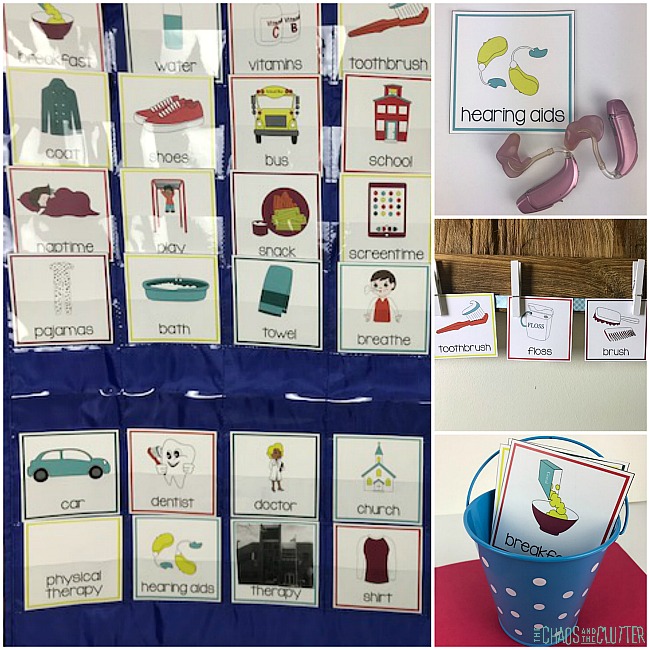
Visual schedules are such a great tool for kids. They allow kids to see what is coming next. They also give clear expectations about what needs to be done.

Having something visual to look at can keep kids on task, which in return can help kids get out the door in the morning.

Visual schedules were a game changer for us when it came to the kids’ morning routine. They were especially effective with our kids with special needs to break things into smaller tasks.

For a lot of kids, it’s easy to forget what they were doing if just told “get dressed”. If that same instruction is broken down into “underwear”, “pants”, “shirt”, “socks”, “shoes”, it is much easier to accomplish. But you’re busy too and don’t want to spend the morning nagging. This is where the visual schedule comes in.
Talk About Something to Look Forward to in the Day

Sometimes mornings are super rushed, which in return can take the fun out of the day. Talk to your child about something they have to look forward to in the day. Maybe you’re going to have a special lunch with them later that day. Perhaps a fun day at school is going to happen.

Giving your child something to look forward to helps them look ahead. Some children just need that excitement or that push to help them get out the door in the morning. You’d be surprised how much smoother a day can go when a child is focused on something that interests them.

Breathing Exercises

Do you have a kiddo that gets overwhelmed easily? Taking a deep breath is a great stress management tool. When your child starts getting overwhelmed or they just need a little help getting through the morning, bring out the breathing exercises.

A simple “in through the nose, out through the mouth” works if they are not yet agitated, but you may need to take a bit more time and walk them through some calm down breathing exercises.

Food

Brains don’t work well without fuel. Kids need food to function. Having them eat first instead of after they get  dressed can make them do the other things on their list faster. It will also improve their mood and behaviour.

With everything happening on busy weekday mornings, it can be hard to come up with healthy breakfasts that are quick to put together or that can even be grabbed on the go in a pinch.

I like to use make ahead breakfasts so that they are in the freezer and ready to go.

Lay Out Clothes the Day Before

Sometimes kids struggle to make decisions in the morning, which can really put them behind schedule. A little trick that I learned in the start of my parenting years is to lay out clothes the day before.

This is so helpful because then the kids know exactly what they are going to wear the next day. Some of my kids even like sleeping in their school clothes the night before. This means they only have to get up, throw on some shoes, and be on their way!

Simplicity is best in some cases. As a parent, you need to know which battles are worth fighting and pyjamas are not a mountain to die on in my opinion.

If also helps to be sure that everything else is ready the night before such as backpacks, important papers, and school lunches. This small tweak in the morning routine for school will pay big dividends.

Thick Smoothies Through a Straw 

This little trick of mine kills two birds with one stone. If you want to solve your kids being hungry and them being dysregulated or moody…Smoothies!

For kids who need a calming resistive sucking motion, thick smoothies through a straw is my go-to. This solves the hunger issue, the time issue, and helps keep your kiddo calm and focused. I make freezer smoothie bags ahead of time so they are fast to whip up.

Sensory Input

When mornings are stressful and you have a child that is struggling with sensory overload, focusing on sensory input can be important. Sensory input can come in a variety of forms. Throughout my years of parenting, I have found some sensory input that works great on the go.

Some of my favourites for my kids are listening to an audiobook on the way out the door. As mentioned before, straws give great oral sensory input. Send your child on a visual letter hunt in a book. This works great for kids who need visual sensory input.

Heavy work activities are a great way to start the day off regulated and calm.

Waking Up Earlier

Some kids just need extra time to get ready. One way to get kids to wake up earlier is to get them to bed earlier. You may find that your kids are easier to get out the door in the morning when they wake up earlier. This isn’t always easy, but it does work for some children.

Leave Plenty of Time

This goes along with the “waking up earlier” tip. Don’t forget to leave plenty of time for getting out the door in the morning. Try not to rush the kids with a short time period of getting ready.

Whether your kids take the bus to school or you drive them, there can be changes in timing. Note if there are reasons such as traffic, construction, or change in schedule that require you to leave the house sooner and adjust the morning routine accordingly.

I would love to hear your tips for getting your child out the door in the morning. What tips do you have to offer?

You may also find these articles helpful:
The After School Meltdown Strategy that really works

Calm Down Breathing for Kids

Filed Under: Parenting in the Chaos, Special Needs Parenting

5 Things to Say to Your Anxious Toddler

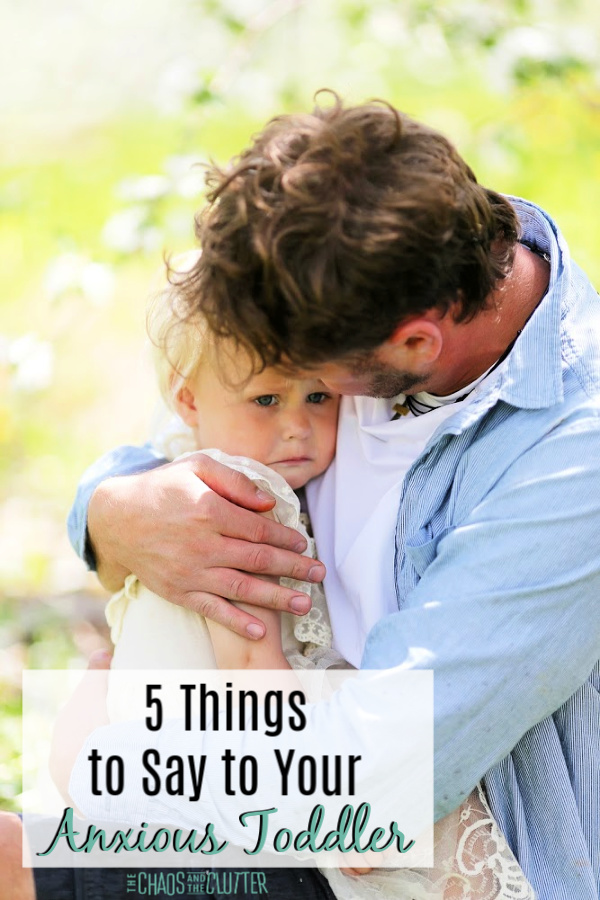
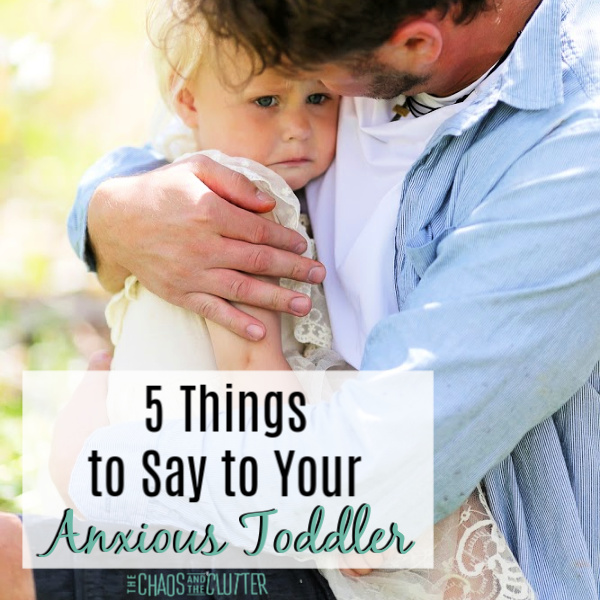
a brown haired father is holding his blond daughter. The text reads "5 Things to Say to Your Anxious Toddler"

By Sharla Kostelyk

Knowing how to help your little one through their feelings is hard. Anxiety is tough as an adult, so you can imagine how difficult it would be for a 2 or 3 year old to outwardly express their anxiety.a brown haired father is holding his blond daughter. The text reads "5 Things to Say to Your Anxious Toddler" If your toddler is struggling with anxiety, there are some helpful things you can say. Anxiety can sometimes be a healthy emotion, as long as it is not experienced in excessiveness.

If anxiety is left unchecked, then it can lead to excessive fear and worry. If you have a toddler who is anxious, you will need some tools in your emotional toolbox to help them out.

What to Say to Your Anxious Toddler

As humans, we say a lot of WRONG things. When it comes to your toddler and their anxiousness, it’s important that you say the RIGHT things. Here is what to say to your anxious toddler:

“I AM HERE TO LISTEN”

I know that you may want to tell your child what to say and think right now, but they may just need to know you are listening.

Whether they are crying tears or speaking gibberish, they may just need you to listen. You can tell your anxious toddler that you’re here to listen!

“LET’S DRAW IT”

What if your toddler cannot put into words how they feel? You can say 3 simple words and those words are “let’s draw it.”

When your toddler has a chance to draw what they’re feeling, amazing things are happening. They are learning to work through their emotions. Also, they may forget about what is making them anxious.

Drawing is such a good tool in helping your anxious toddler work through how they are feeling. Give it a try!

You can also have them shape their emotions out of playdough using something like these Emotions Playdough Mats.

“WHAT IS SOMETHING WE CAN DO TO MAKE YOU FEEL BETTER?”

What if there was one thing you could do to help your toddler not feel as anxious?

One thing you can do is ask a question. That question is “what is something we can do to make you feel better?”

You know your toddler best. What is going to help them feel less anxious?

  • Maybe it’s watching their favourite show
  • Or being held as you sing
  • Maybe it’s holding and snuggling their favourite stuffed animal
  • Or perhaps it’s holding your hand

Let your toddler decide what will make them feel less anxious! Give it a try.

“How Do You Feel?” or “HOW DOES THIS WORRY MAKE YOU FEEL?”

Although, this may seem like a simple question, it’s a big question to an anxious toddler.

Asking your toddler how they feel or how their worry makes them feel is important. This validates that your toddler has a big feeling.

Feeling anxious is not fun. Talking to your toddler and helping them understand how anxiety makes them feel is vital to their development.

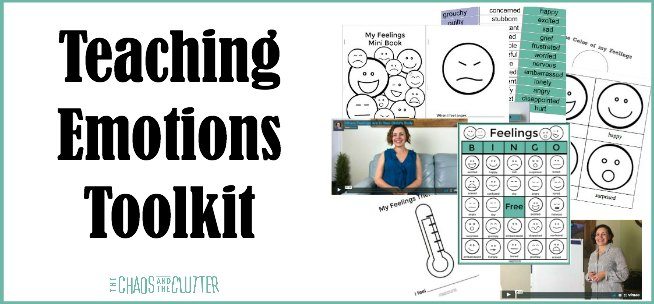
Toddlers may not yet have the vocabulary to express their feelings. It is so important to give them those skills. You can find some hands-on activities and ideas in our Teaching Emotions Toolkit. 

What could possibly make a toddler feel anxious?

  • New routine
  • New setting
  • An activity they don’t like
  • Yelling
  • Stress

Talk to your toddler about their anxiousness and their worry.

“WHAT CAN WE DO TO HELP YOU GET CALM?”

The thing about being an adult is that most adults know how to calm themselves down. Toddlers need a lot of help.

Just like you have to parent toddlers with everything else in their life, you need to help them with this aspect as well.

If your toddler is feeling anxious, then it’s important to give them options to calm down.

Here are some ideas:

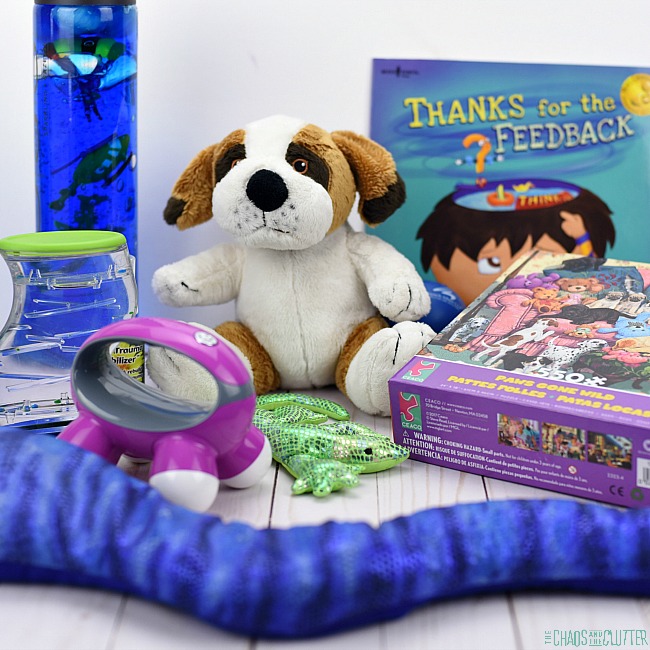
  • calm down kit
  • blowing bubbles (our recipe for calming lavender bubbles)
  • calm down breathing

The calming down technique may be custom to your toddler. It may take a while to figure out something that works, but you can do this.

How Do I Know If My Toddler Has Anxiety?

Honestly, if your toddler has anxiety, you might not even be able to recognize it. Anxiety is actually quite complicated. The heart rate can speed up, the stomach may be in knots, a ball in the chest. Anxiety can look different for each person.

If your concerns continue, speak to your child’s paediatrician.

What Can Cause an Anxiety Attack?

So many different things can cause an anxiety attack. When a person feels stress, worry, or fear, it can lead to a lot of anxiety or even an anxiety attack.

There is no age limit for anxiety attacks, so keep this in mind as you deal with your anxious toddler. What looks like a tantrum may in fact be something related to anxiety. Read more about anxiety symptoms in children.

The Best Things to Include in a Calm Down Kit

Calm Down Activities for Kids

Filed Under: Parenting in the Chaos

How to Teach Kids Kindness in a Sometimes Selfish World

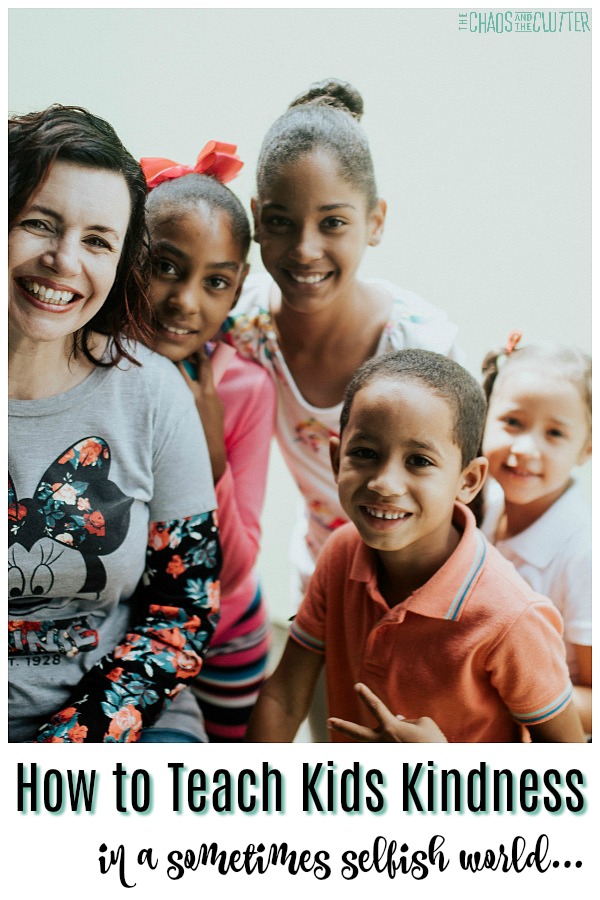
a brunette woman sitting with four children around her. The text on the image says "how to teach kids kindness in a sometimes selfish world"

By Sharla Kostelyk

Raising kids is hard. Raising kids to be kind is even harder. The advances in technology are wonderful for so many things, but they also bring additional challenges, especially for parents wanting to teach kids kindness and empathy. a brunette woman sitting with four children around her. The text on the image says "how to teach kids kindness in a sometimes selfish world"

Yes, I want my children to grow up to be capable and confident. I wouldn’t hate it if they were successful in their careers and family lives. But one of the things I want most for my children is for them to be kind.

I want them to show compassion for others and to be able to look outside themselves, for them to see a need and try to meet it or at the very least, to come alongside that person and show them that they are not alone.

Why teach kindness?

Nurturing our children’s character is one of our most important jobs as parents. There are benefits to our child as well.

Showing kindness to others boosts self-image. It enriches life. Social and emotional intelligence are just as important (if not more so) than academic intelligence.

As parents, there are a few obvious ways we can teach kindness to our children:

  • model kindness
  • teach gratitude
  • talk about the feelings of others
  • discuss the joy you get out of helping others
  • be sure that your child knows that there are those less fortunate in the world

An effective way to teach kids kindness:

All the above ideas to teach kindness are necessary if you want your child to think outside of themselves, but there is one thing I have found that goes a step further and that is child sponsorship.

Child sponsorship is an activity the whole family can get involved in. In this world of cell phones and internet, although in some ways the world can feel like a small place, in others, it can be easy to feel disconnected. Sponsoring a child in a developing country can be a way to bridge that connection.

Some suggestions to make this activity even more meaningful:

    • involve your child in the process of choosing the child you want to sponsor
    • perhaps choose a child who is the same age as your child or the same gender or who has similar interests
    • send letters back and forth to your sponsored child which will allow your child to make a connection and for them to learn more about them and about their country (not sure what to write. Read what to write to your sponsored child.)
    • place the picture of your sponsored child in a prominent area in your home and talk about them or pray for them as a family
    • allow your child to help in the money aspect – this can involve them selling some of their toys at a garage sale, donating some of their allowance or birthday money, or even them sacrificing going out for ice cream or fast food so that they money that would have been spent can instead go towards the sponsored child
    • go as a family to meet your sponsor child – I know this option may not be possible for all people, but it really takes this experience to the next level as you are able to see firsthand the difference your support is making


Child Sponsorship:

Back in March, I was privileged to go to the Dominican Republic with an organization called One Child Matters. It is hard for me to put into words what my time there meant and how transformative it was for me. I fell in love with the community there and with the children that I spent time with.

But I also fell in love with One Child Matters and their heart for the people they serve. I will admit that I was somewhat skeptical going in. I didn’t know much about them or what they stand for. It didn’t take long for me to be blown away for the work they are doing there and around the world.

They don’t march into communities and assume that they have all the answers. They find well respected community members who are already working with children and partner with them. And then they ask what is needed for that particular community. It’s a smart model.

I wish I could have taken you with me so that you could have seen the need, looked into the faces of those who would benefit most from your sponsorship. The joy of the children contrasted so starkly with the tremendous poverty and conditions. But the work of One Child Matters there was already changing lives. We witnessed it.

Be the difference for one child today…

I’d like to bring you along on the journey and allow you to breathe in the smells and bear witness to the tears and the transformations. The best I can do is to invite you to take in some of the pictures and ask that you would consider if your family could help just one child.

Those of us who went on that trip have set a huge goal for ourselves to get 1,000 kids sponsored. When you hear such a big number, it sounds impossible, but not when you think about just one child. Would you help us by sponsoring just one child? Be the difference for one child today.

The amazing photos in this post are thanks to Ashlee Kay, Kaylin Perdomo, Jo Lord, David Alink, and Luis Sanchez. 

More stories from those who went on the trip:

What to Write to Your Sponsored Child – Teaching Mama

Why Meeting Your Sponsor Child is Worth the Time and Expense – Math Geek Mama

The Mother Teresa of Latin America – Preschool Inspirations

Filed Under: Parenting in the Chaos

Powerful positive affirmations for kids to change their mindset

Unicorn Affirmations

By Sharla Kostelyk

When I was growing up, my dad used to say to me, “whether you think you can or think you can’t, you’re absolutely right”. His version of the Henry Ford quote was designed to teach me about the power of our mindset. One of the most effective ways to help kids change their mindset is by teaching them to use positive affirmations. Positive Affirmations for Kids #growthmindset #positiveaffirmations #unicorn #mindsetThe thing about something that you hear or say over and over is that it gets stuck in your brain. It becomes part of your inner voice. This is true for both positive and negative words.
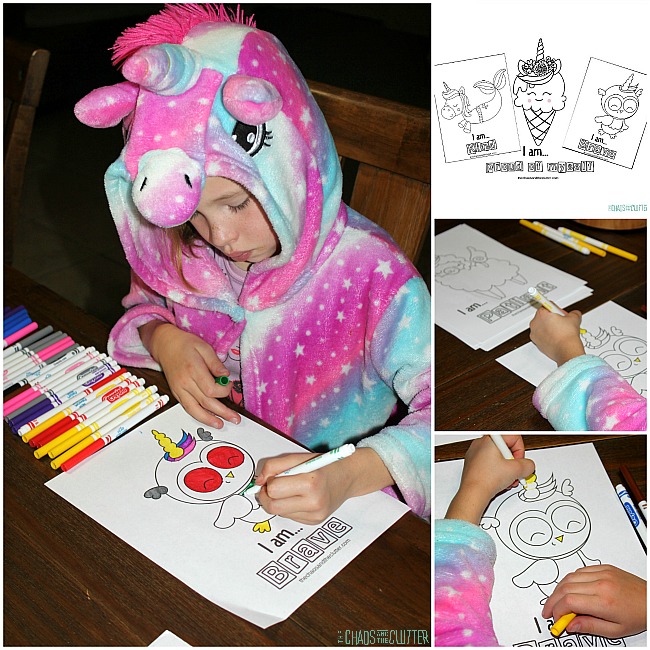
During certain times in my life, my dad’s repetition of that quote has come to mind. That quote has even come out of my own mouth in talking to my children. In that same way, affirmations that we tell our kids or that they tell themselves will live in their minds and be brought forward in the future.

As parents, we want as many of those as possible to be positive.

When one of my kids is struggling, do I want the first thought that comes to mind to be “I can’t do this” or do I want it to be “I can figure this out”?

Obviously, I want it to be the latter. But in order for that to happen, I need to ensure that they are practising positive affirmations.A positive affirmation is a statement meant to overcome negative thoughts. Negative thoughts contribute to self-sabotage, stress, pessimism, anxiety, and depression. Therefore, you want to retrain your child’s brain to replace those negative thoughts with positive ones.
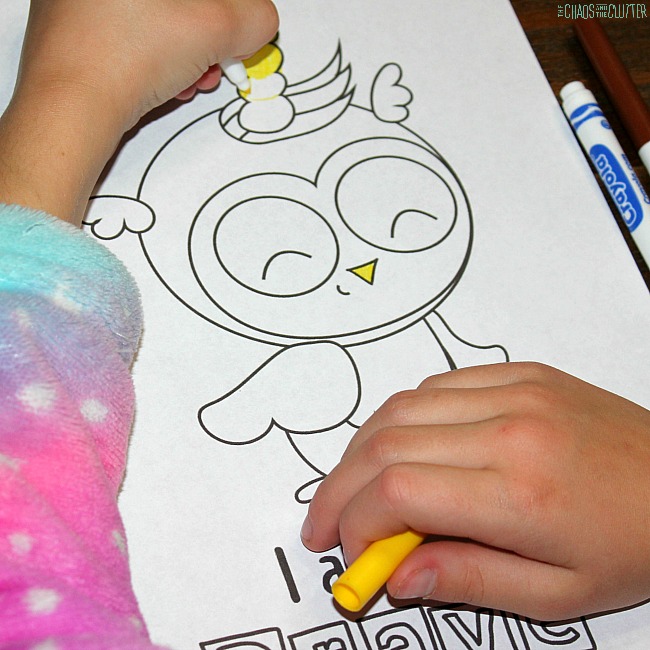


How do I use positive affirmations with kids?

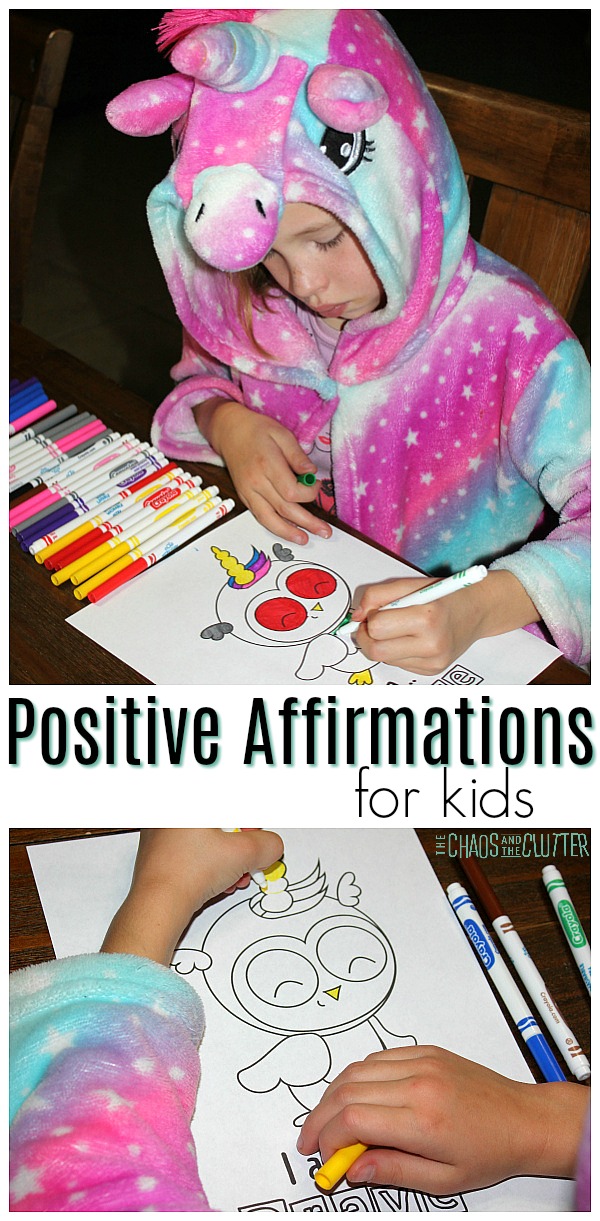
  1. Repetition, repetition, repetition. The key to this method being effective is having the affirmation repeated often. It also helps if the affirmation is said out loud by others, “you are kind”, by the child, “I am kind”, and is reinforced in other ways such as singing a song about it or colouring it.
  2. Use affirmations in the present tense. Even if the statement is something your child has not yet mastered and is still working towards, it is more powerful to say “I am a good friend” than it is to say “I will be a good friend”.
  3. Affirmations need to be specific.
  4. Allow your child to choose their own affirmations. You can of course make suggestions, but the most effective ones will be those that resonate with them. 

How do I teach my child to be positive?

One complaint I hear from a lot of parents is that their child is negative. Some kids seem to be born with a “glass half empty” mentality. While positive affirmations are not going to completely change a child’s personality, they will improve your child’s outlook.

The way that a child sees themselves shapes the way they see the world. When a child sees themselves negatively, they will also see everything around them through that lens.

Practising positive affirmations can help a child to see themselves in a more positive light. This then allows them to see those people and circumstances around them more optimistically as well.

Practising intentional gratitude will also help a child to be more positive. They can do this by:

  • writing or saying five things they are grateful for each day
  • writing thank you notes
  • drawing what they are thankful for
  • using Post-its to jot down what they are grateful for
  • making positive observations about what they see, smell, touch, taste, or hear

We have a gratitude hallway covered in Post-its. It makes me smile. The kids add Post-its whenever they want.

Please note:

Positive affirmations do not address underlying trauma or special needs. They aren’t a “quick fix”. But even for children who have early childhood trauma issues or other factors that negatively affect their mindset, positive affirmations are not harmful. They can be one tiny piece of the puzzle towards healing.

Adorable Unicorn Affirmations for Kids:

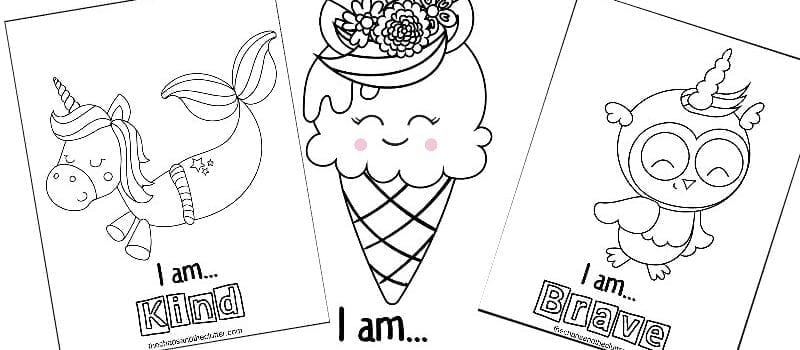
These free printable unicorn affirmation pages are adorable! They include the following positive affirmations:

  • I am confident.
  • I am happy.
  • I am kind.
  • I am brave.
  • I am patient.
  • I am loved.
  • I am a good friend.
  • I am proud of myself.
  • I am safe.
  • I am awesome.

To download your printable unicorn affirmation pages for kids to colour, just submit your email below.

Unicorn Affirmations printables for kids #mindset #growthmindset #unicorns #positiveaffirmations #affirmations

Filed Under: Parenting in the Chaos, Printables, Special Needs Parenting

Parenting Myth: You’re Only as Happy as Your Saddest Child

By Sharla Kostelyk

We were sitting in my kitchen. Mid-conversation, my friend said something that grabbed me. “You’re only as happy as your saddest child.” I nodded. The statement seemed like it must be true. What mother could be happy if her child wasn’t?

Parenting Myth: You're Only as Happy as Your Saddest Child #parenting #specialneeds #parentingtips #kbnThe conversation continued on to other things, but that statement stuck with me. I played it over and over in my head after she left.

Was I destined to always only be as happy as my saddest child? Would my happiness never again be in my control?

What she said had seemed logical at the time. What kind of mother would I be if I could find joy when my child was suffering?

But something about it gnawed at me. It didn’t sit right. At first, I couldn’t quite put my finger on why.

I’m the mom of 7. My kids all have different personalities. Some of them are optimistic and cheerful. Others are moody and see the glass as half empty even on the best of days.

Each of my kids have their own unique gifts and challenges. 5 of my precious kiddos have special needs, which give them additional obstacles to overcome.

Life can be hard enough without losing your hearing at 12 (one of our daughters), losing your first family and moving to a new country with strangers (2 of our kids), losing your hair as a 16 year old girl (another of our daughters) and on and on.

For days after that kitchen conversation, my friend’s words replayed over and over.

At the time, one of our children was especially struggling, so I wondered if I should be as unhappy as he was.

One evening, my husband and I were watching a comedy. I laughed out loud and then felt guilt creeping in. How could I be feeling carefree when one of my kids was in pain?

It took me weeks to sort through all of my thoughts and feelings. And I came to the conclusion that “you’re only as happy as your saddest child” is hogwash!

My happiness is my responsibility. It is not dependent on those around me or even on my circumstances. Of course, it’s easier to feel happy when life is going well.

If all my kids were themselves happy, if they were all making good choices, loving life, surrounded by good friends, not facing hardships that seem unfair and overwhelming, skipping merrily through valleys of unicorns and rainbows, I would feel less worried.

Being less worried would make it easier for me to be happy, but it wouldn’t necessarily guarantee it.

One thought I kept coming back to when I was contemplating this was that if my kids always see an unhappy mom, that will only make them less happy.

One of my jobs as  parent is to model positive traits for my children. If I want to teach them that they are responsible for their own happiness, that is something I have to show them.

If I want my kids to be able to find joy in the small blessings despite their circumstances, they are going to need to see a mom who was able to do just that. 

Choosing to be unhappy in solidarity with my “saddest child” won’t take their sadness away. In fact, it may compound it. And it places the burden of my happiness onto my child which is too heavy a burden for anyone to carry.

So mama, you are not destined to only be as happy as your saddest child. You are destined to be as happy as you choose to be.

I know that watching your child suffer is painful. It is gut-wrenching. Sometimes the unfairness of it can almost overtake you. But that does not have to rob you of your joy.

When your child sees you finding delight in just being with them, in counting the freckles on their nose, in watching the snow fall together, in snuggling on the couch, in playing a card game, even in the blessing of being able to cry together, they learn to find a bit more joy too.

Your smile is more powerful than your words.   

Some days, I get it right. I see the opportunities to infuse joy into my life. I take those and make the best of them.

Other days, I let my circumstances define my mood. I feel held hostage by things out of my control and pity takes up residence in my mind.

I haven’t got this thing all figured out, but I did some math. When considering the amount of kids I have and the challenges they currently face, I also thought about their personalities. Then I factored in future things such as spouses, careers, finances, in-laws, and their own children.

I pretty quickly came to the truth. If I were only as happy as my saddest child, I was never going to be happy again! And that’s not something to strive for.

So mamas, take that burden off. Unpack it, unbuckle it, unzip it, leave it at the door. From now on, choose to be “only as happy as you want to be”.

If you’re looking for strategies and encouragement on the parenting journey, join me for a free 5 part email series, Little Hearts, Big Worries offering resources and hope for parents. 

Filed Under: Parenting in the Chaos, Special Needs Parenting

How Can I Help My Child Control His Emotions?

How Can I Help My Child Control Their Emotions? #specialneedsparenting #parentingtips #emotions

By Sharla Kostelyk

Although kids aren’t the only ones to struggle with controlling their emotions (as was evident last week when I cried over not being able to find Velcro dots!), they do not have the coping skills and life experience to be able to navigate through big emotions without some guidance. How Can I Help My Child Control Their Emotions? #specialneedsparenting #parentingtips #emotionsMany parents aren’t sure where to start when it comes to helping their child control their emotions. This will give you a roadmap to help them.
How to Help a Child Control their Emotions:

Provide an emotional vocabulary.

The first step in helping your child learn to manage their own emotions is to teach them to identify their feelings. Give them the language to be able to name their feelings. This is a powerful tool to arm a child with.

The Teaching Emotions Toolkit has everything needed to give kids the vocabulary they need to be able to identify and name their own feelings.

Learning to recognize feelings in others.

Once a child is more fluent in the language of emotions, they can begin to recognize feelings not only in themselves, but in others as well.

If you’re watching a movie or TV show, discuss how the situations may make the characters feel. Do this especially with situations that kids may find themselves in someday such as bullying.

Model talking about your own feelings and your coping strategies.

Name your feelings honestly. Then provide your child some insight into your coping strategies. This will help them to learn how to manage their own emotions.

  • “I feel disappointed that it’s snowing today so I can’t go for a run like I planned. I guess I’ll have to walk on the treadmill instead.”
  • “I am frustrated that my computer isn’t working. I want to throw it across the room which would not be wise, so I’d better get up and walk away. I’ll take a little break and come back to try again when I’m feeling calmer.”
  • “I’m excited that tomorrow is the big birthday party. I think I’ll go to bed a bit early tonight in case it takes me longer to fall asleep.”
  • “I’m worried about my interview on Friday. I know that worry doesn’t do any good. It helps to talk about my feelings and practise what I’ll say in the interview. Would you help me with that?”
  • “I’m feeling angry. I’m going to sit here and do some calm down breathing for a few minutes.”

Listen.

By actively listening to your child express their feelings, you are showing them that their feelings matter to you, that your child matters to you. You can repeat the emotion words back to them.

“I hear you say that you felt angry when he took away your toy. Do you want to tell me more about that?” By listening to your child’s feelings, they will learn that you are a safe place for them.

Help them identify their triggers.

Triggers are very dependant on the child. For some, it may be sensory triggers or a trauma trigger, while for others, it may be a particular feeling such as frustration that serves as a trigger for a meltdown or an aggressive response. Once you help your child to identify what their most common triggers are, you can help them to recognize them in the early stages and put in place some coping strategies.

Gauge the intensity of the emotion.

Using a feelings thermometer or chart, help your child determine how intense their feeling is.

Prevent emotional outbursts or meltdowns as much as possible.

Adequate sleep, good nutrition, water, regular exercise, and sensory breaks can go a long way towards preventing meltdowns before they start.

I know that I’m certainly more able to handle life’s curveballs when I’ve had a good night’s sleep. I’m also way more reasonable when I’m not hangry!

Teach that it’s okay to make mistakes.

Mistakes are how we learn. Kids who fear making mistakes or strive for perfection tend to have a harder time coping with emotions.

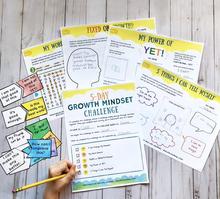
The Growth Mindset Challenge Kit and the Big Life Journal are two of my favourite tools for this. I also really like the book Your Fantastic, Elastic Brain for this reason. It is so good at explaining the concept of mistakes being necessary in a way that kids can understand.

Teach coping strategies.

Calm down strategies are a big part of teaching coping strategies, but they are not the only part. If a child takes a break or walks away when they see a trigger arise, that is also a coping strategy.

If there is a particular situation that comes up repeatedly that causes big emotions in your child, help him think of a strategy for managing that particular situation.

Come up with a plan together. Role play and practise often. Once he has practised managing that situation with his new strategies, he will be better equipped to deal with it in real life.

Teaching your child to better manage their emotions will empower them. They will feel more in control. This will equip them with the skills needed to face their day.

Join me for a free 5 part email series, Little Hearts, Big Worries offering resources and hope for parents.

You may find these articles helpful as well:

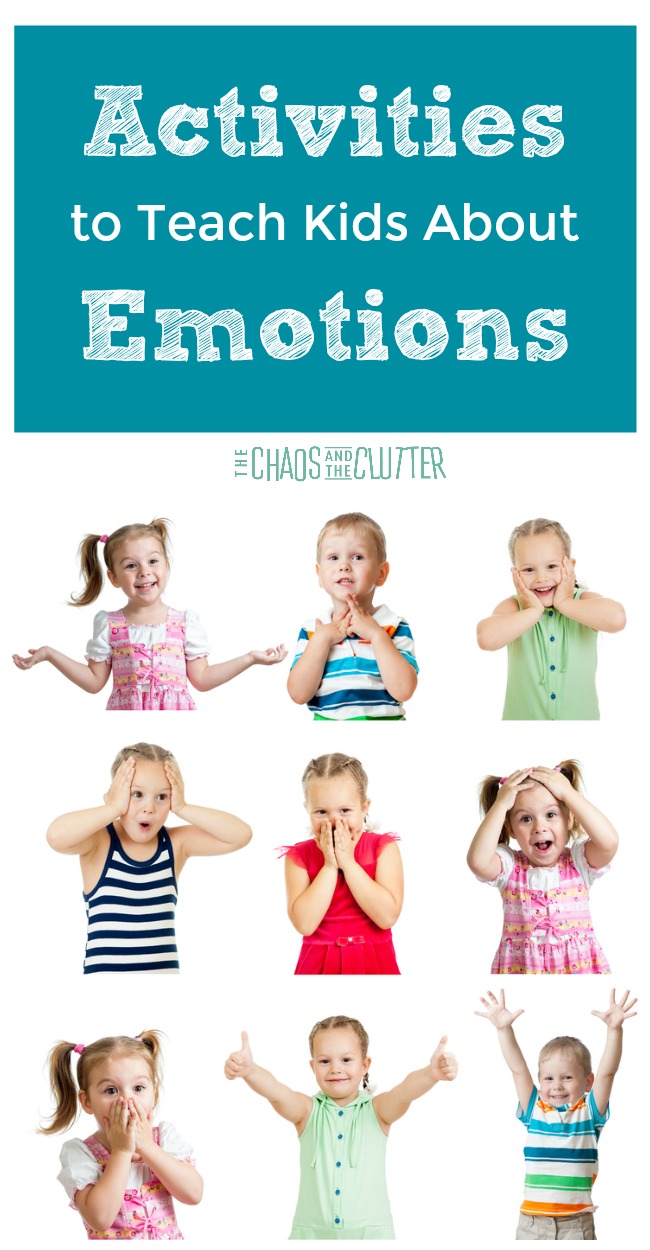
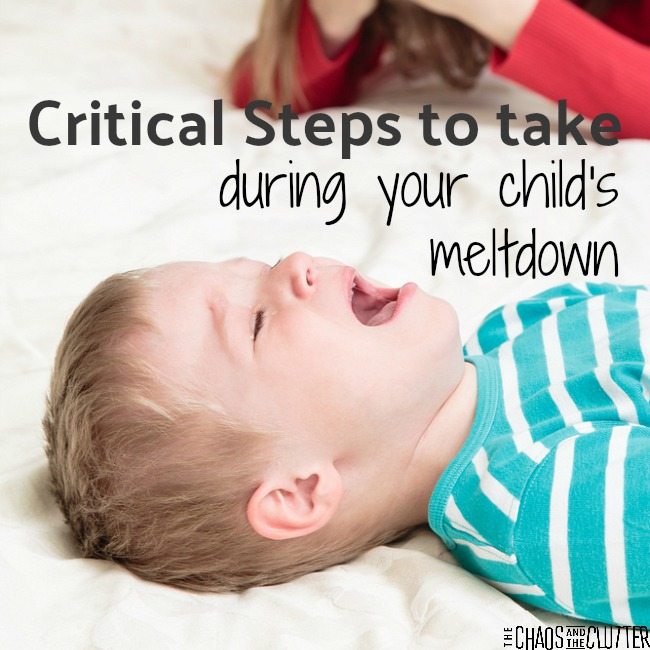
5 Critical Steps to Take When Your Child Has a Meltdown Activities to Teach Kids About Emotions 

Filed Under: Parenting in the Chaos, Special Needs Parenting

  • « Go to Previous Page
  • Page 1
  • Page 2
  • Page 3
  • Page 4
  • Page 5
  • Page 6
  • Interim pages omitted …
  • Page 12
  • Go to Next Page »

Primary Sidebar

Categories

We are a participant in the Amazon Services LLC Associates Program, an affiliate advertising program designed to provide a means for us to earn fees by linking to Amazon.com and affiliated sites.

Copyright © 2026 • The Chaos and the Clutter • Site Design by Jeni @ The Blog Maven

Return to top of page

Copyright © 2026 · Chaos and the Clutter 2.0 on Genesis Framework · WordPress · Log in