• Skip to primary navigation
  • Skip to main content
  • Skip to primary sidebar
  • Home
  • About
  • Contact
  • Privacy + Terms
  • Affiliates

The Chaos and the Clutter

  • Facebook
  • Twitter
  • Pinterest
  • Google Plus
  • RSS
  • Email
  • School at Home
  • Sensory
    • Sensory Processing Disorder
    • Awesome Sensory Play Activities
      • Sensory Bins
      • Sensory Bottles
      • Sensory Bags
  • Family Games
    • Minute to Win It Games
  • Special Needs Parenting
    • Childhood Anxiety
    • Reactive Attachment Disorder
    • Sensory Processing Disorder
  • Store
  • Course Login

Sensory

Monster Sensory Bottle

By Sharla Kostelyk

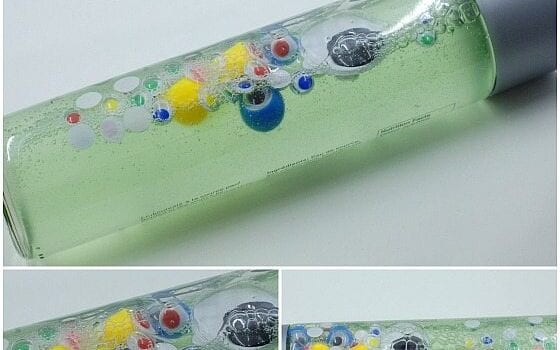
I like googly eyes. I blame my friend Christie. She thinks that everything is better with googly eyes and puts them on random things like plants all over her house. It’s funny and cute and it’s apparently rubbed off on me because now I buy googly eyes and use them for strange things like this monster sensory bottle.
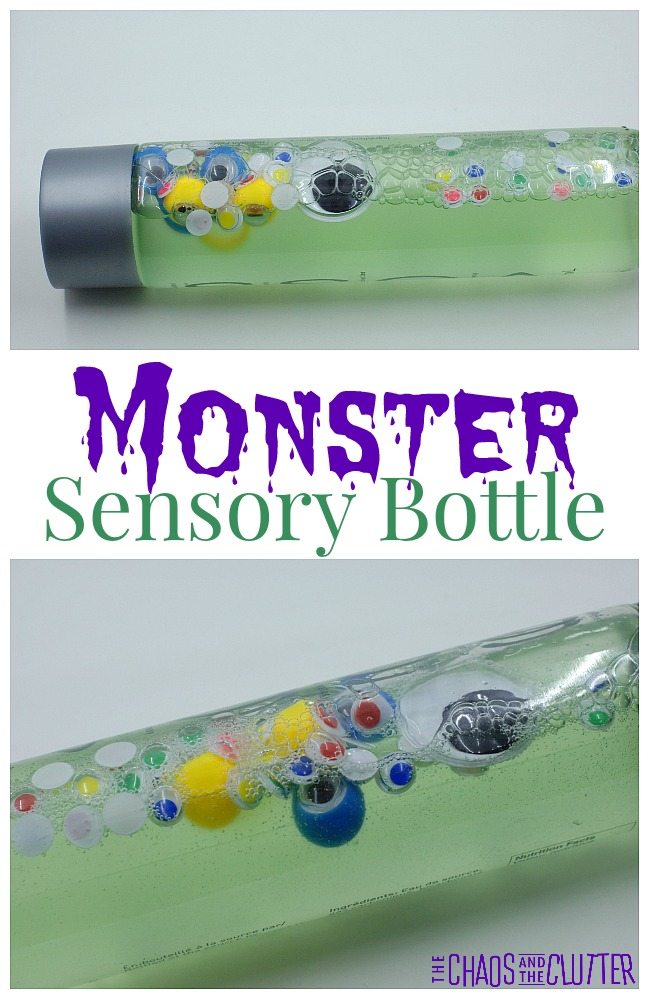
This monster sensory bottle is great for Hallowe'en or for monster theme units.Materials needed:

  • water bottle (I used a small Voss bottle)
  • green hand sanitizer
  • different sizes and colours of googly eyes
  • googly eye finger puppets

To make this monster sensory bottle, pour hand sanitizer to almost the very top of an empty water bottle. Next, add the googly eyes and the googly eye finger puppets. Note that you will have to straighten the finger puppets to get them through the small opening at the top of the water bottle. Once they are pushed through, they will go back to their proper shape.
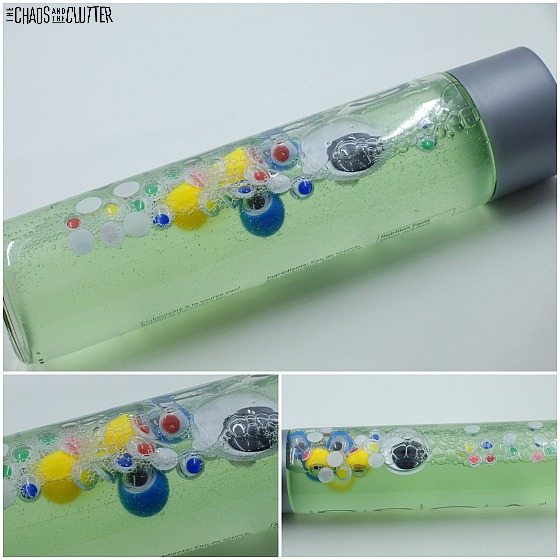
monster-sensory-bottle-squareIf you want to make this sensory bottle even more fun for children to play with, give them some foam stickers to add to the outside of the bottle to personalize their “monster”.
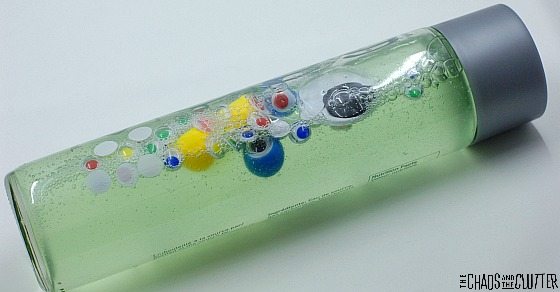
monster-sensory-bottleI like the large googly eyes myself, but my kids seemed to prefer the eyes in different colours. This is a very simple and inexpensive sensory bottle to make. Kids can explore different sizes and colours while playing with this monster discovery bottle.

Join our free 5 part email series Sensory Solutions and Activities and get our Sensory System Behaviours Easy Reference Cards.
If you are looking for other monster ideas, you may also want to check out our Monster Sensory Bin or our Eyeball Sensory Bin.
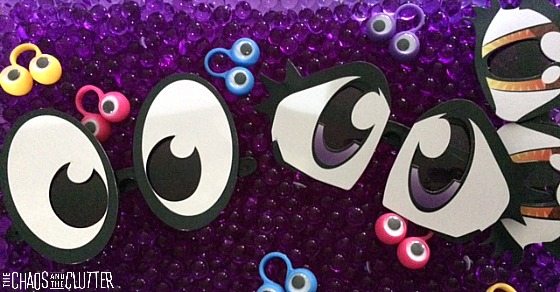
Eyeball sensory bin with purple water beads

Filed Under: Sensory Tagged With: sensory bottles, sensory play

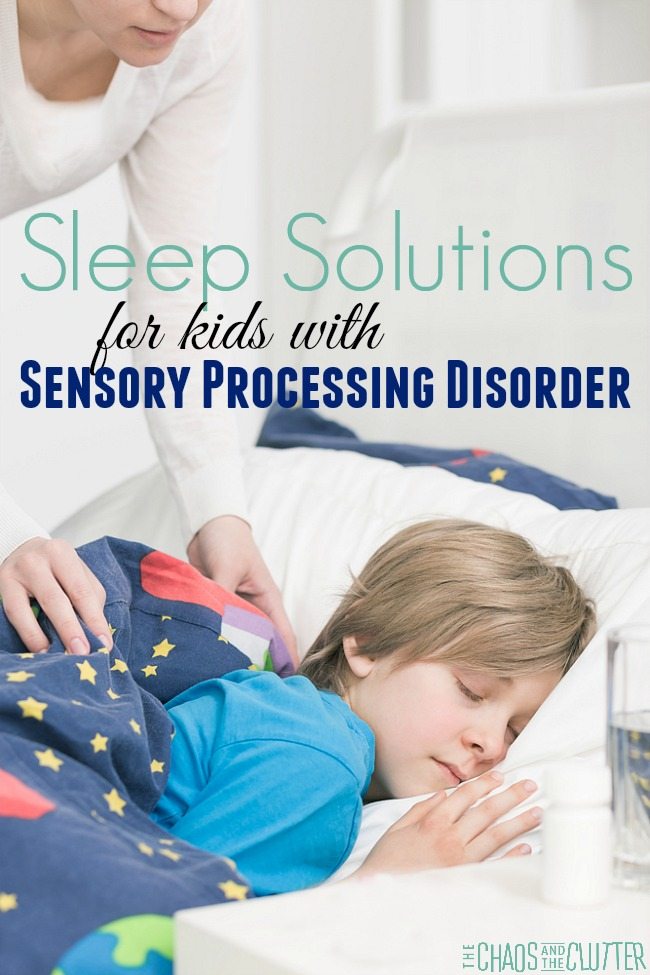
Sleep Solutions for Children with Sensory Needs

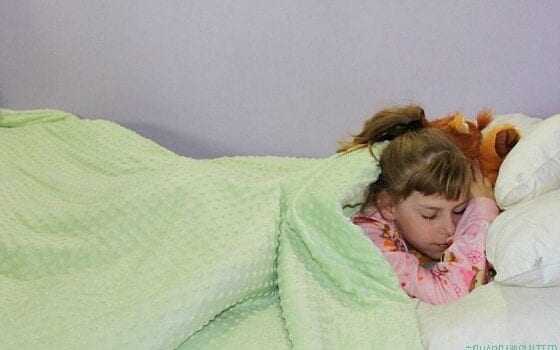
weighted blanket for sleep

By Sharla Kostelyk

Any parent who has children with Sensory Processing Disorder knows that sleep can be a challenging endeavour. And when you’re a special needs mom, you need the break that sleep provides!

It’s been interesting over the years to see how our kids’ sensory issues affected their sleep in different ways. We have been able to come up with solutions for most of the sleep issues in our home.

Sleep Solutions for Kids with Sensory Processing DisorderIf your child is not capable of expressing what their sleep issues are, play detective. Try lying in their bed in the dark and using your senses to troubleshoot what issues there may be. Is there any type of noise that may be bothering them? Are the sheets scratchy? Are the walls painted a bright colour or is there too much clutter in the room? How is the temperature in the room? Is there a smell?

Children with SPD are extra sensitive to these types of things so putting yourself in their shoes may help you pinpoint some of the problems and begin to find solutions.

Auditory

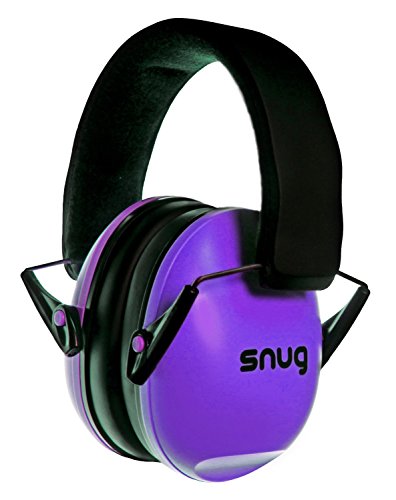
One of our sons’ sleep was affected because of his extreme auditory sensitivity, which makes it difficult for him to fall asleep if there is any noise (such as his parents watching TV!) in the house. We found that the simplest solution was for him to use a pair of noise cancelling headphones. He is now able to fall asleep much more quickly. I don’t understand how he sleeps with them on and is still comfortable, but he likes them!

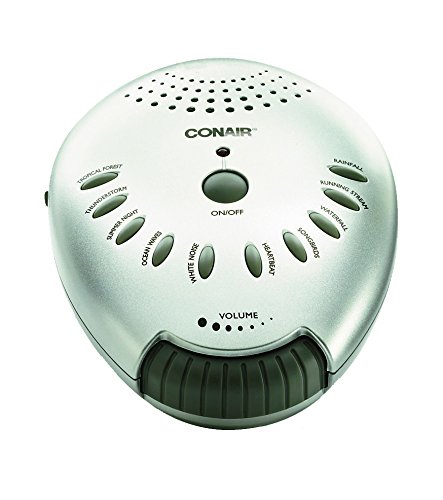
One of our other kids isn’t quite as sensitive but does need to have white noise to sleep. We have tried different things over the years such as fans but have found that this sound machine is what works best. It is soothing as well as providing white noise and makes sleeping much easier.

Proprioception (Deep Pressure)

One of our daughters used to have a hard time settling her body down at bedtime. We found that sleeping with a weighted blanket changed that for her. She is able to settle herself more easily now. Two of our kids have weighted blankets and like them while our other sensory kiddos hate them. The place that I purchased my weighted blankets from allowed us to try them first to see if they worked for our kids before committing to them.
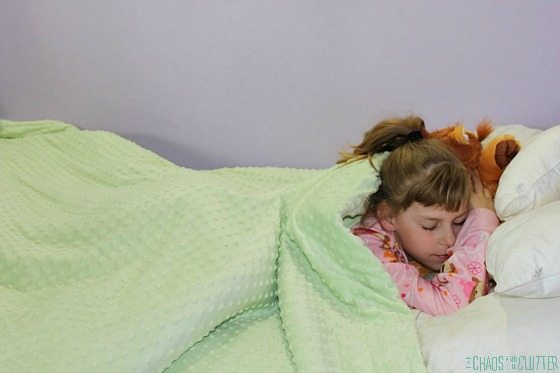
weighted blanket for sleepAnother option for weighted blankets is to make your own. You can find tutorials on how to make your own weighted blankets which will cut the cost significantly.

You can also try stretchy sheets which will provide a similar effect to a weighted blanket. You can purchase them or make your own.

Deep pressure hugs or massages before bedtime can also help with proprioception input.

Visual

Some children need it to be completely dark in order to fall asleep while others need to have a nightlight. It’s a good idea to use a dimmable night light because that way, they can adjust to the amount of light they are comfortable with.

Important Tips:

Be sure to offer a variety of sensory activities throughout the day. Meeting your child’s sensory needs during the day will positively impact your child’s ability to fall asleep at night.

Consider making changes to your child’s sleep environment. Check out this article on Sensory Beds for Kids.

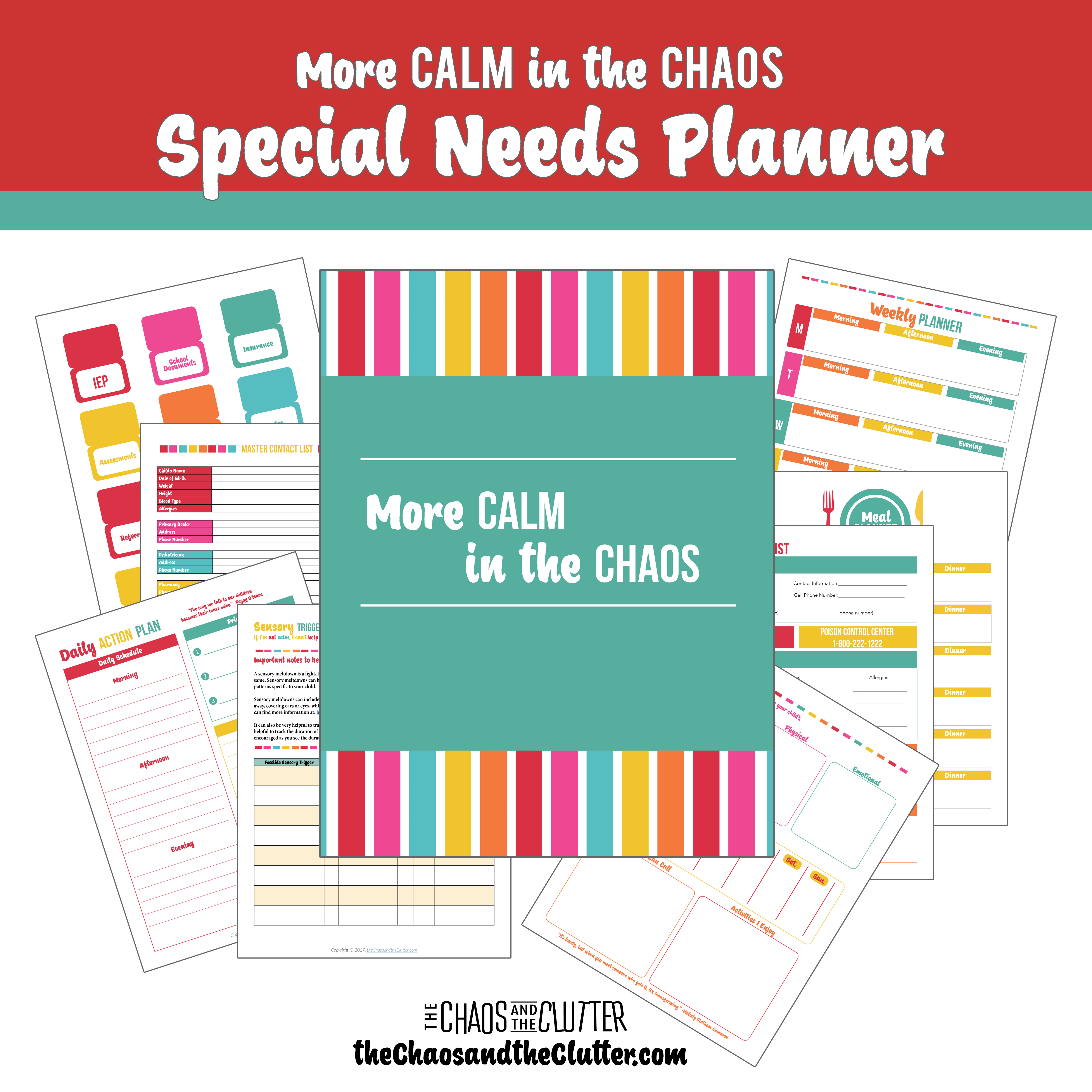
Track patterns and see if you are able to pinpoint things that may be impacting your child’s sleep. Seeing their sleep patterns on a calendar can help you find where their insomnia may be tied to anxiety over school or peers. Seeing their sleep tracked in relation to food or behaviour or sensory triggers can also help you see the patterns that are emerging. You can find tracking for all of these in the More Calm in the Chaos printable planner for moms of children with special needs.

Limit screen time during the day and cut it off completely in the hour or two before bedtime. This will improve their body’s ability to fall asleep.

Have a consistent bedtime routine and bedtime. This structure and predictability around bedtime is especially important for kids with sensory processing disorder.

This sleep smoothie contains some natural sleep help and most kids will happily drink it.

Nutrition is an important piece of the sleep puzzle. Ensure that your child has a well balanced diet, limited sugar and no caffeine.

This relaxation breathing song is an effective way to help kids learn breathing techniques that will help them feel calm. If you play it or sing it and lower the volume slowly, your child may even fall asleep during the song.

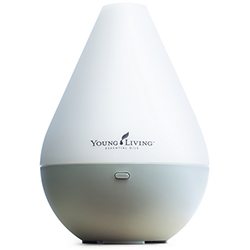
Some parents swear by putting lavender oil or another calming essential oil in a diffuser. You can also use lavender oil and epsom salts in a warm bath before bedtime.

More Calm in the Chaos Printable PlannerMore Calm in the Chaos Printable PlannerEssential Oil Home DiffuserEssential Oil Home DiffuserNoise Reducing Headphones for KidsNoise Reducing Headphones for KidsSound Therapy Machine for white noiseSound Therapy Machine for white noise

If you’re looking for more practical strategies that work for your child’s everyday sensory needs for things like picky eating, refusal to wear certain clothing, difficulty self-regulating, meltdowns, and challenging behaviours, you will want to read Sensory Processing Explained. 

Join me for a free 5 part email series, Little Hearts, Big Worries offering resources and hope to parents.

One last note:

If you have tried everything else and your child is still not able to fall asleep and this problem persists for months, talk to your child’s doctor about other options. They may suggest that it is time to try Melatonin or prescription sleep medications. Choosing to medicate your child is a difficult decision for any parent and not to be taken lightly, but sleep is an important part of your child’s health and all options need to be considered if nothing else is working.

Here are some other articles you may find helpful on the topic of sleep:

Sleep Solutions for Special Needs Parents | My Home Truths

The Sleep-Deprived Mom’s Guide to Survival| Life Over C’s

Sleep Strategies for Kids with Autism or Sensory Needs | And Next Comes L

Seasons of Sleep for Special Needs Parents | 3 Dinosaurs

6 Steps to a Calm Bedtime Routine for Your Highly Sensitive Child  | Carrots Are Orange

You may also be interested in reading:

Sensory Beds for Kids

Tight Fitting Clothing: a sensory mystery unravelled (plus…what in the world is proprioception?!)Tight Fitting Clothing: A Sensory Mystery Unravelled

Money Saving Sensory SolutionsMoney Saving Sensory Solutions

Filed Under: Sensory, Special Needs Parenting

Must Haves for Kids with Sensory Needs

These are must-haves if you have kids with sensory processing disorder (SPD).

By Sharla Kostelyk

Four of my kids have Sensory Processing Disorder (SPD). It’s been a challenge to learn what works best for them but now that we have been on this road for many years, I have discovered things that make their lives so much easier.

I wish I had known in the beginning what a huge difference a few small changes could make. These are some of the must-haves that I have found in working with them. It was hard to create this list because not only are there different types of Sensory Processing Disorder that present very differently and can actually present opposing needs, but each child is also so unique.

You can read more about the signs of Sensory Processing Disorder here. I am sharing what works for some of my kids. What works for other kids with sensory needs may vary.

These are must-haves if you have kids with sensory processing disorder (SPD).

The books…

For parents and teachers, the best book out there is Sensory Processing Explained. I may be slightly biased since I am one of the authors, but it is such a wealth of information. The information is accessible and easy to understand.

There are several books geared towards children regarding Sensory Processing Disorder and I have shared some in Must Have Sensory Processing Books for Kids.

You can also find all of my favourite books for parents on Sensory Processing in The Best Books on Sensory Processing for Parents.

Weighted items…

Not all of our kids like weighted items but the ones that do, love them! We buy our weighted blankets, capes, neck rolls, and neck curves at Innovaid (you may recognize some of the models on their site as my kids!).

Two of our kids who like deep pressure have a very hard time sleeping without their weighted blankets. Those same two have an easier time attending during our homeschool lessons if they wear a weighted cape or neck curve. They also have weighted stuffed animals that seem to help calm them.

There are tutorials available that walk you through making your own weighted blanket. (hint: click that highlighted text to take you to a list of online tutorials) There are also tutorials for making your own weighted vests.

weighted blanket for sleep

Fidgets…

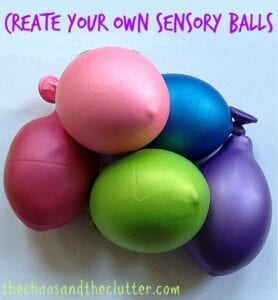
Fidget toys such as the ones from Tangle Creations can be very helpful in focusing. Especially for children who have to attend for longer periods of time, they can make a tremendous difference. In order for something to be called a fidget toy, it doesn’t need to be officially sold as such. The one most often used by my kids is sensory balls and we make our own for pennies.

Create Your Own Sensory Balls (for pennies each)

My kids also use things like knobby balls or stretchy snakes when they are sitting at their desks so that they have something in their hands to squeeze and pull and move around in their fingers but that doesn’t make a lot of noise or distract the other kids.

Seat Aids…

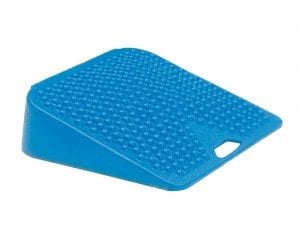
Two of my kids really like the Movin’ Sit Cushion. This wonderful invention allows them to stay seated but move around silently at the same time! Not all of my SPD kids like it though.

movin' sit cushionThere are other ways to help your child with SPD in sitting. At places like Ikea, you can buy round textured disks that are about the size of a seat and some kids like the feel of sitting on them.

Another adjustment you can easily make to the chairs in your home to make them more SPD-friendly is to put a theraband or other type of stretchy band around the legs of the chair. This provides sensory feedback to a child who is sitting swinging their legs, as the backs of their legs will make contact with the theraband.

One way to explain why some children find this helpful is this…children with SPD do not always have a good sense of where their own body is in space and when their legs swing freely while they sit, it can be an unsettling feeling, but providing a resistance band on the legs of the chair gives them feedback and lets them know where they are in relation to the chair and to the room around them.

Other suggestions include things such as bean bag chairs or swivel chairs, though I don’t recommend swivel chairs in a classroom setting! We have a bean bag chair in our homeschool classroom and it is very popular!

Sensory Bins…

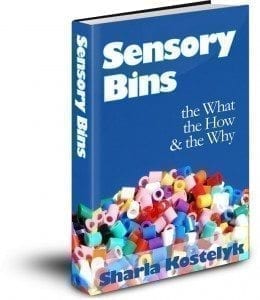
We use sensory bins every day in our home and our homeschool. All of our kids love them and they have been particularly effective with our kids who have SPD. I try to make a different sensory bin every week. I sometimes incorporate what we are learning in our homeschooling into the sensory bin.

The Ultimate Guide to Sensory BinsChew Toys…

Some sensory kids feel the need to chew on things. If they are not given something to chew on, they will chew on pencils, clothes, toys, or even their own fingers. For “chewers”, chew toys are a healthy alternative to those things. There are chew toys that can be purchased, Chewlery (chewable jewelry), pencil toppers designed to be chewed on, or chewy wrist bands.

Play Dough…

Play dough is an inexpensive and effective tool to use with kids with SPD. If you have some readily available, kids can use it when they are anxious, overstimulated or even while they are trying to sit still and pay attention. The store-bought play dough doesn’t stay soft for very long and can get crumbly and messy, so I prefer to make my own such as this lavender scented playdough (although I don’t love all that stirring!). There are many wonderful recipes available for homemade playdough online like Jello Playdough and I have included some recipes in my Sensory Bins book.

Anxiety Aids…

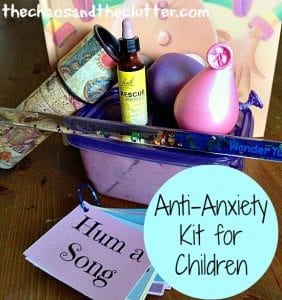
Sometimes, sensory issues and anxiety can go hand-in-hand. For my youngest daughter who deals with anxiety due to other issues, I have created an anti-anxiety kit and many of the items in the kit are useful with all of my kids, particularly when they are overstimulated and are having a hard time self-regulating.

Create an Anti-Anxiety Kit for Your ChildSnugness… 

Some of my kids are more comfortable wearing tight clothing or having the feeling of being snug. There are several ways that we achieve this. One is by them wearing a gymnastics body suit (the kind that goes down almost to the knee) that is a size or two too small underneath their clothing. Innovaid carries a pressure vest that provides essentially the same effect and can be worn under or over clothing.

pressure vest

Another way is by using a sensory sock. You can make your own by sewing a tube with stretchy fabric.

Music…

Some children with SPD find music soothing and it can help with their self-regulation. For kids who prefer white noise, a small sound therapy machine can be invaluable. When it comes time to do quiet seat work in our homeschool, ironically, the classroom is actually quieter if I play music while the kids do their work!

Noise Reduction Headphones:

One of our sons could not get by without his noise reduction headphones. He is extremely sensitive to sound and uses them in the house and especially when we go somewhere that is going to be loud. I try to remember to bring them with us when we will be going to see fireworks or in a crowded place that may be noisy. They have made a huge difference.

Looking for more help? Sign up for a free 5 part email series, Little Hearts, Big Worries offering resources and hope for parents.

What items have you found to be must-haves with your kids with sensory needs?

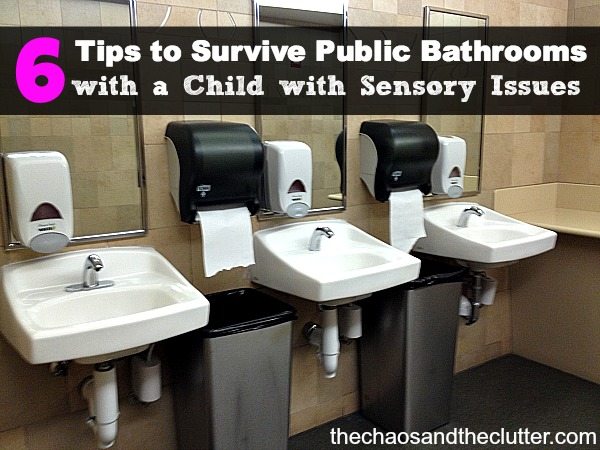
6 Tips to Surviving Public Bathrooms with a Child with Sensory IssuesSurviving Public Bathrooms with a Child with Sensory Issues

Filed Under: Sensory, Special Needs Parenting

Squishy Shark Sensory Bag

By Sharla Kostelyk

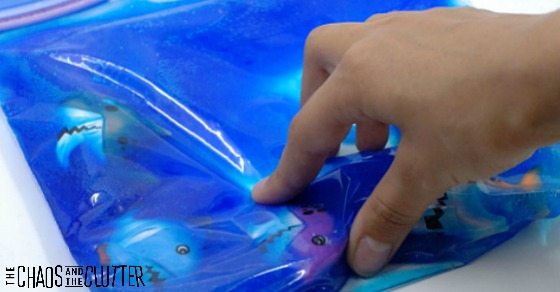
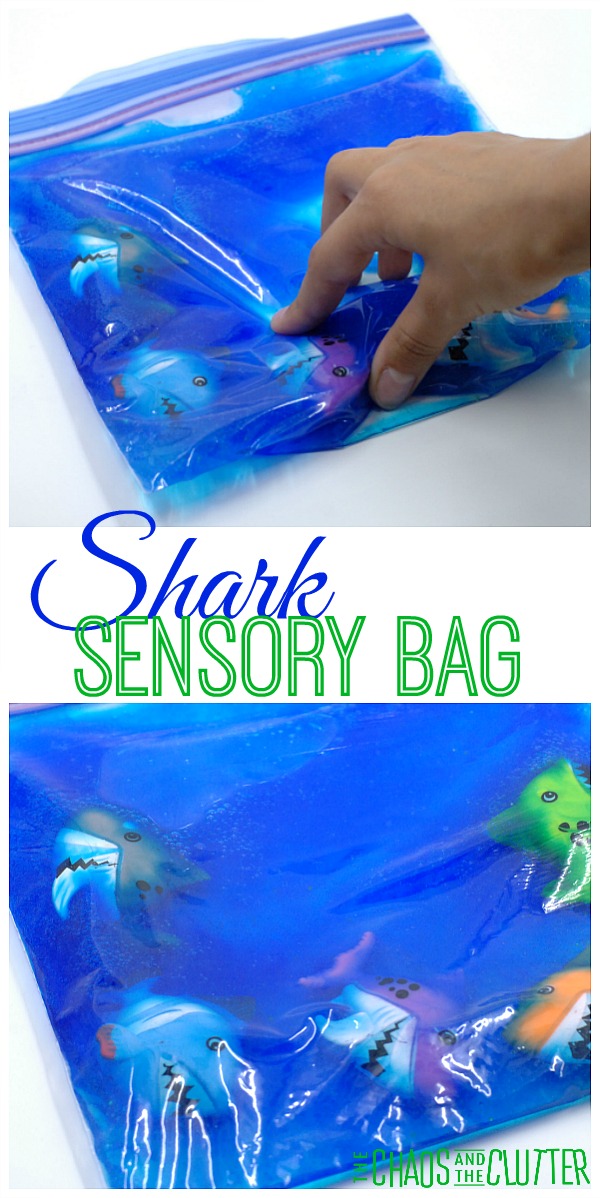
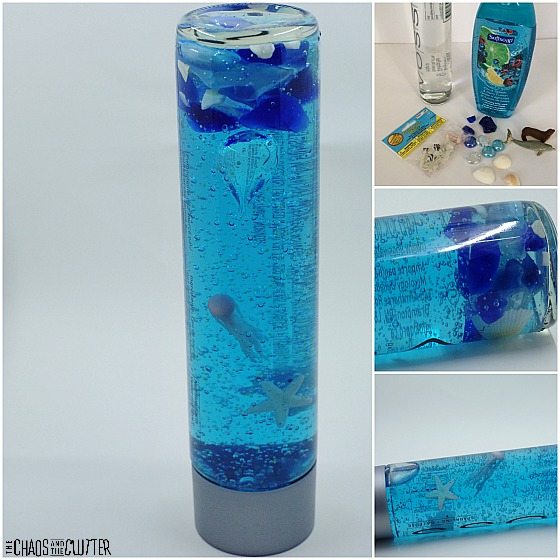
The Ocean Sensory Bottle I made last month was one of the kids’ all-time favourites so I decided to make a sensory bag to go along with it. They loved our squishy Shark Sensory Bag.

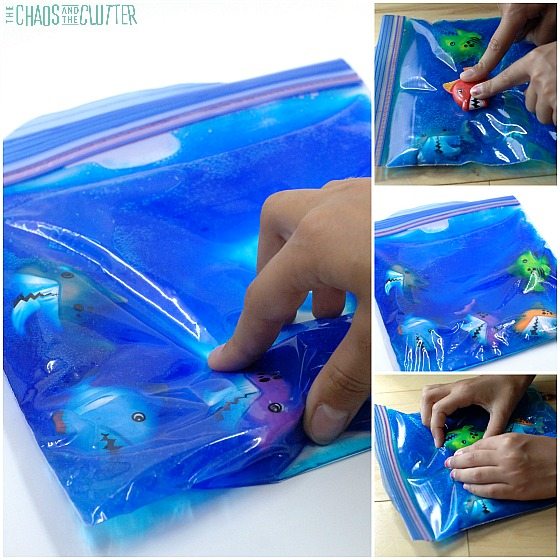
Squishy Shark Sensory Bag - a fun sensory activity for toddlers and preschoolersTo make this shark sensory bag, I used what was left of the blue body wash we used for the Ocean Discovery Bottle and topped it up with some liquid hand soap. The liquid hand soap that I used was green so I added some blue food colouring to the bag to create a really vibrant blue. Then I just plopped some toy sharks into the bag and sealed it up.
Materials needed:

  • medium sized resealable bag (I used a freezer bag because I wanted it to be stronger)
  • blue body wash or liquid hand soap (or you can use both like I did)
  • small plastic sharks
  • optional: blue food colouring
  • optional: clear packing tape

Squeeze the body wash and/or liquid hand soap into the resealable bag. Fill it about half full. For a more vibrant blue colour, add some blue food colouring to this step and then squish it around to mix.

Shark Sensory Bag squareAdd some toy sharks to the bag. The ones I used were plastic and weighted because they are meant to be a diving toy in a pool. I bought them from the dollar store. Any small shark toys would work well.
Take out the excess air and seal the bag. If you are using this bag with little ones, I suggest that you fold a strip of packing tape over the top of the bag after sealing. This will ensure that the bag won’t get opened by little ones and that you won’t get goop on your floor!

Shark Sensory Bag FBFor toddlers, you can tape the bag onto a table to make it easier for them to move the sharks around. Of course, as with all activities, your child should be supervised while playing with their shark sensory bag.

This would a cute and easy way to create a sensory activity for Shark Week.

Ocean Sensory Bottle squareOcean Sensory Bottle

Join our free 5 part email series Sensory Solutions and Activities and get our Sensory System Behaviours Easy Reference Cards.

Filed Under: Sensory Tagged With: sensory bags, sensory play

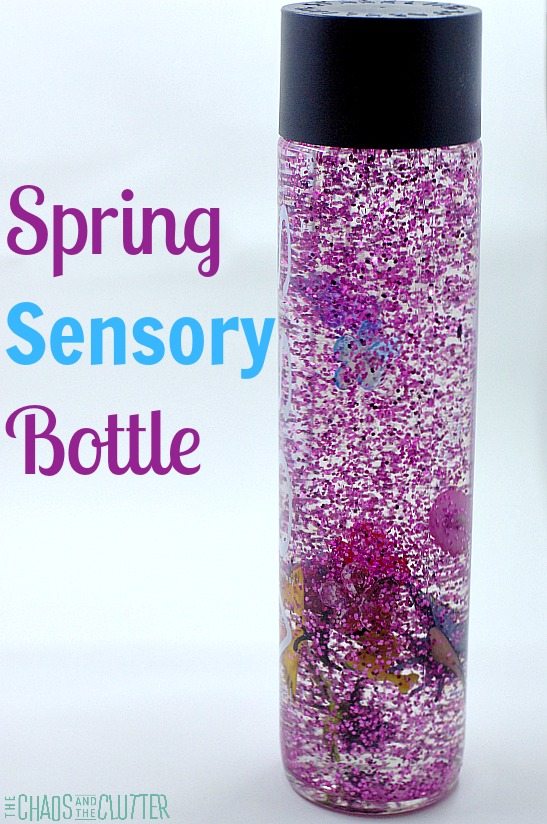
Spring Sensory Bottle

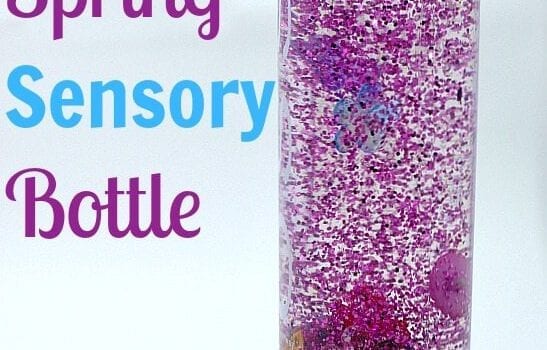
Spring Sensory Bottle with butterflies, flowers and bugs

By Sharla Kostelyk

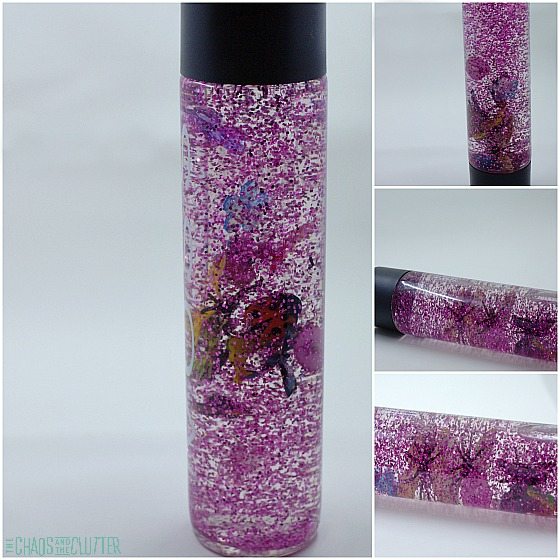
I find inspiration for sensory activities at the strangest places. Looking through my cupboards, standing in line at the grocery store glancing at magazine covers, walking the aisles of the craft or dollar or hardware store, or even being outside can lead to an idea. They don’t always work out the way I envision they will, but this spring sensory bottle came together nicely.

Spring Sensory Bottle with butterflies, flowers and bugsSpring Sensory Bottle:

I love the fresh colours of spring. That and a package of cute buttons were the inspiration behind this discovery bottle.

Materials needed:

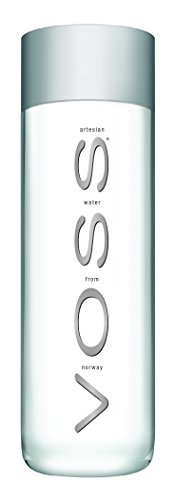
  • water bottle (I used a small Voss bottle)
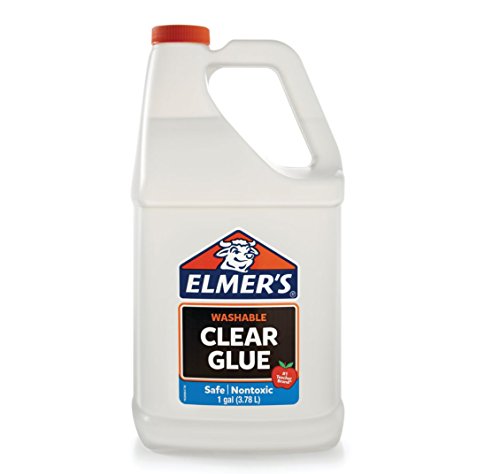
  • 147 mL (5 oz.) bottle clear school glue
  • pink glitter
  • small ladybug, caterpillar, butterfly, and flower buttons
  • small gel flowers
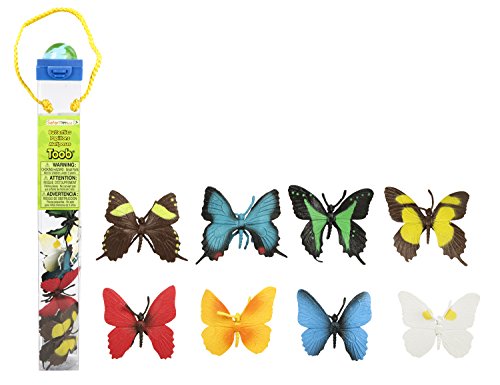
  • butterfly Toob

To make this spring sensory bottle, pour the bottle of glue into an empty water bottle. Add warm water to almost the top of the bottle, put the lid on and shake well to mix. I added a bottle and a half of glue but it was a bit too much glue and the glitter stuck together, so I would recommend using only one bottle of glue.

Safari Ltd Butterflies TOOBSafari Ltd Butterflies TOOBVOSS Water Plastic BottlesVOSS Water Plastic BottlesElmer's Clear GlueElmer’s Clear Glue

Spring Sensory bottle squareOnce the water and glue are well mixed, take the lid off and add the glitter. Drop the small buttons and flowers into the bottle. The butterflies from the butterfly Toob are a bit too big to fit but if you bend the wings in, they go in easily and then their wings will open when they are past the smaller opening of the bottle.
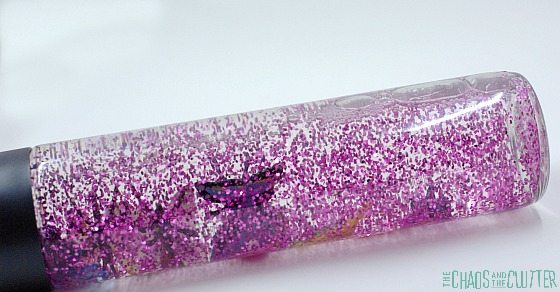
Twist the lid back on and give the bottle a shake. The items and glitter will fall slowly because of the glue in the bottle which makes it a good calm down bottle.

Spring Discovery BottleIf you have little ones and are worried about the small parts being a choking hazard, you can secure the lid with a hot glue gun.
If you are looking for other sensory ideas, join me for a free 5 part email series Sensory Solutions and Activities (just pop your email into the box below) and get a printable list of 175 Great Sensory Ideas.

Ocean Sensory Bottle squareOcean Sensory Bottle

Rainbow Sensory Bottle squareRainbow Rainfall Sensory Bottle

Filed Under: Sensory Tagged With: sensory bottles, sensory play

Rainbow Rainfall Sensory Bottle

Rainbow Rainfall Sensory Bottle - This discovery bottle is easily made with straws and beads.

By Sharla Kostelyk

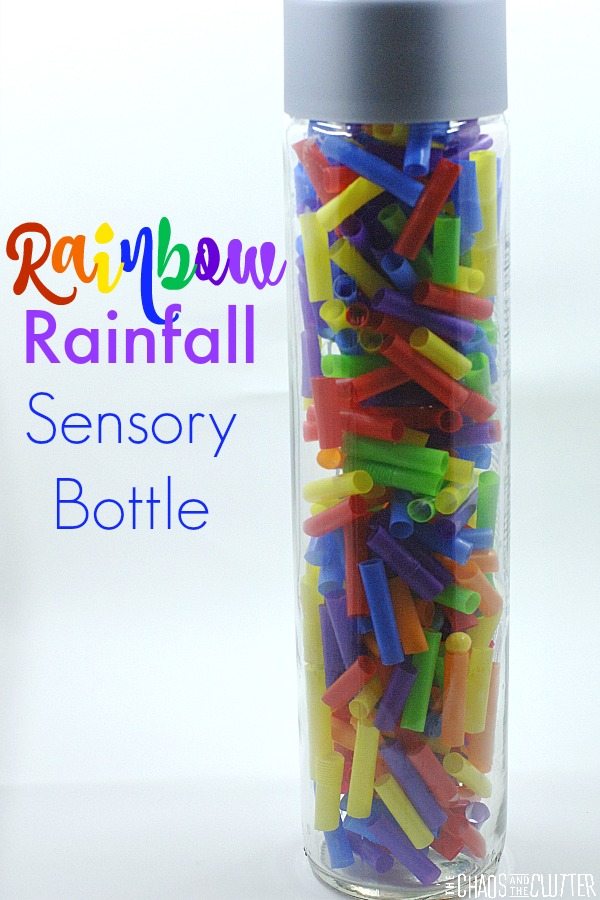
This Rainbow Rainfall Sensory Bottle costs very little to make and is so colourful. There is something cheerful about it. It also has an auditory sensory element to it with the beads falling in between the pieces of straw, creating a rainfall effect.

Rainbow Rainfall Sensory Bottle - This discovery bottle is easily made with straws and beads.Rainbow Rainfall Sensory Bottle:

I was inspired to make this sensory bottle because of the cheerful colours of the plastic straws we had in the cupboard. All of the materials I used were ones we already had in the house which makes for a very inexpensive project.

Materials needed:

  • water bottle (I used a Voss bottle)
  • scissors
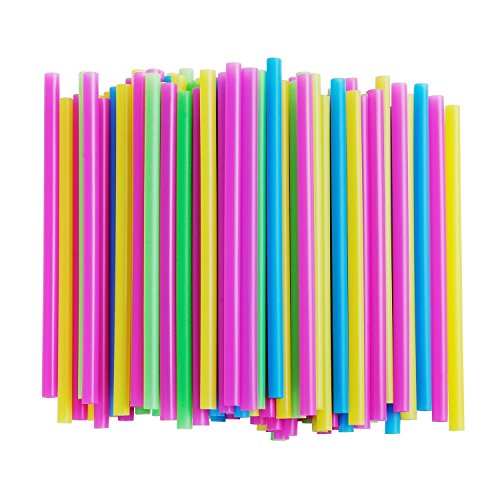
  • rainbow coloured plastic straws
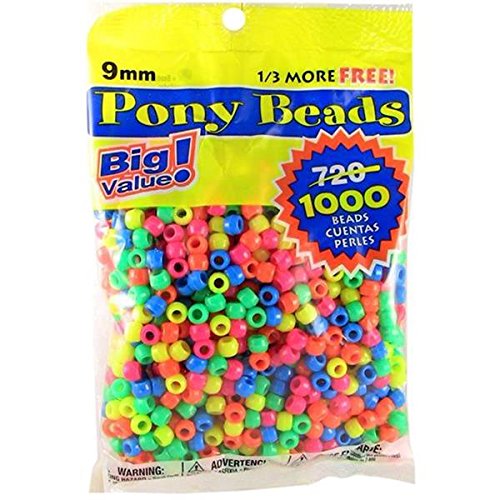
  • small multi-coloured beads

VOSS Water BottleVOSS Water BottleAssorted Bright Colors StrawsAssorted Bright Colors StrawsPony Bead MulticolorPony Bead Multicolor

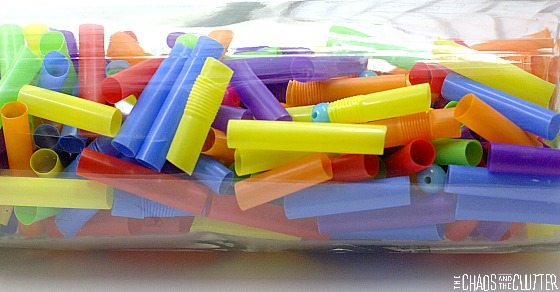
To create this rainbow rainfall discovery bottle, cut the coloured straws with scissors and add them into the empty water bottle haphazardly. Don’t add all of one colour and then all of another colour unless you want to create a layered look because once they are in there, they won’t mix very much.

Rainbow Sensory Bottle squareAbout halfway through adding your straw bits, you can add a few of the small beads and once your bottle is almost full of the straw pieces, you can add more of the beads and top with another few plastic straw pieces to finish off before putting the lid back on.

If you leave enough space at the top, the beads and straws will create a rainfall effect when the discovery bottle is tipped upside down.

Rainbow Rainfall Sensory BottlePlease note: The beads can create a choking hazard for young children, so supervision is recommended or you can use a hot glue gun to secure the lid in place.
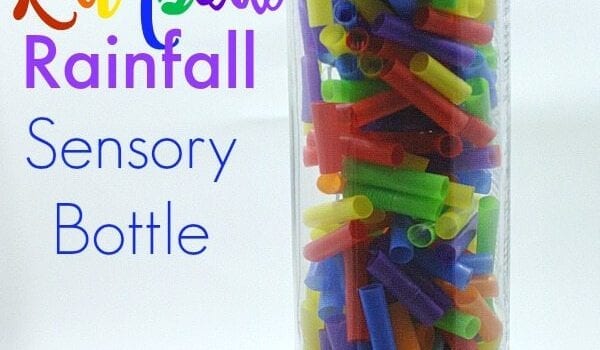
If you are looking for other sensory ideas, sign up for our free 5 part email series Sensory Solutions and Activities (just pop your email into the box below) and get a printable list of 175 Great Sensory Ideas.

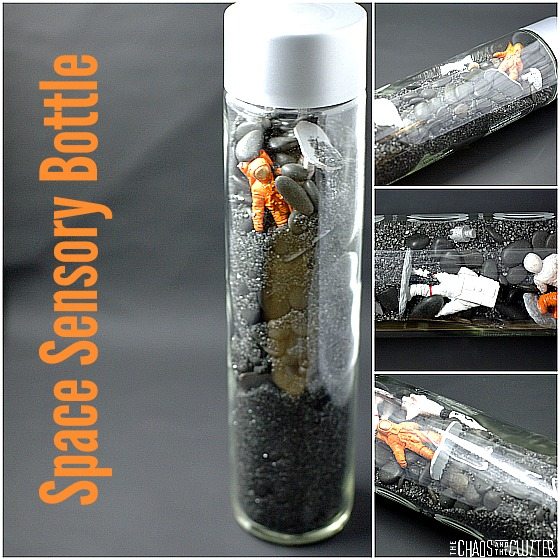
This Space sensory bottle is naturally weighted. Kids can also use it as an I-Spy activity.Weighted Space Sensory Bottle

Ocean Sensory Bottle squareOcean Sensory Bottle

Filed Under: Sensory Tagged With: sensory bottles, sensory play

  • « Go to Previous Page
  • Page 1
  • Interim pages omitted …
  • Page 34
  • Page 35
  • Page 36
  • Page 37
  • Page 38
  • Interim pages omitted …
  • Page 50
  • Go to Next Page »

Primary Sidebar

Categories

We are a participant in the Amazon Services LLC Associates Program, an affiliate advertising program designed to provide a means for us to earn fees by linking to Amazon.com and affiliated sites.

Copyright © 2026 • The Chaos and the Clutter • Site Design by Jeni @ The Blog Maven

Return to top of page

Copyright © 2026 · Chaos and the Clutter 2.0 on Genesis Framework · WordPress · Log in