• Skip to primary navigation
  • Skip to main content
  • Skip to primary sidebar
  • Home
  • About
  • Contact
  • Privacy + Terms
  • Affiliates

The Chaos and the Clutter

  • Facebook
  • Twitter
  • Pinterest
  • Google Plus
  • RSS
  • Email
  • School at Home
  • Sensory
    • Sensory Processing Disorder
    • Awesome Sensory Play Activities
      • Sensory Bins
      • Sensory Bottles
      • Sensory Bags
  • Family Games
    • Minute to Win It Games
  • Special Needs Parenting
    • Childhood Anxiety
    • Reactive Attachment Disorder
    • Sensory Processing Disorder
  • Store
  • Course Login

Sensory

Christmas Sensory Bins

By Sharla Kostelyk

We love sensory bins. That’s no secret. We create different sensory bins every week so over the years have created many holiday themed ones. For those who are looking for inspiration to create their own Christmas sensory bins, I’ve compiled some of our past holiday sensory bins as well as some others. I hope this helps you come up with your own. I would love to see pictures of your completed sensory bins.
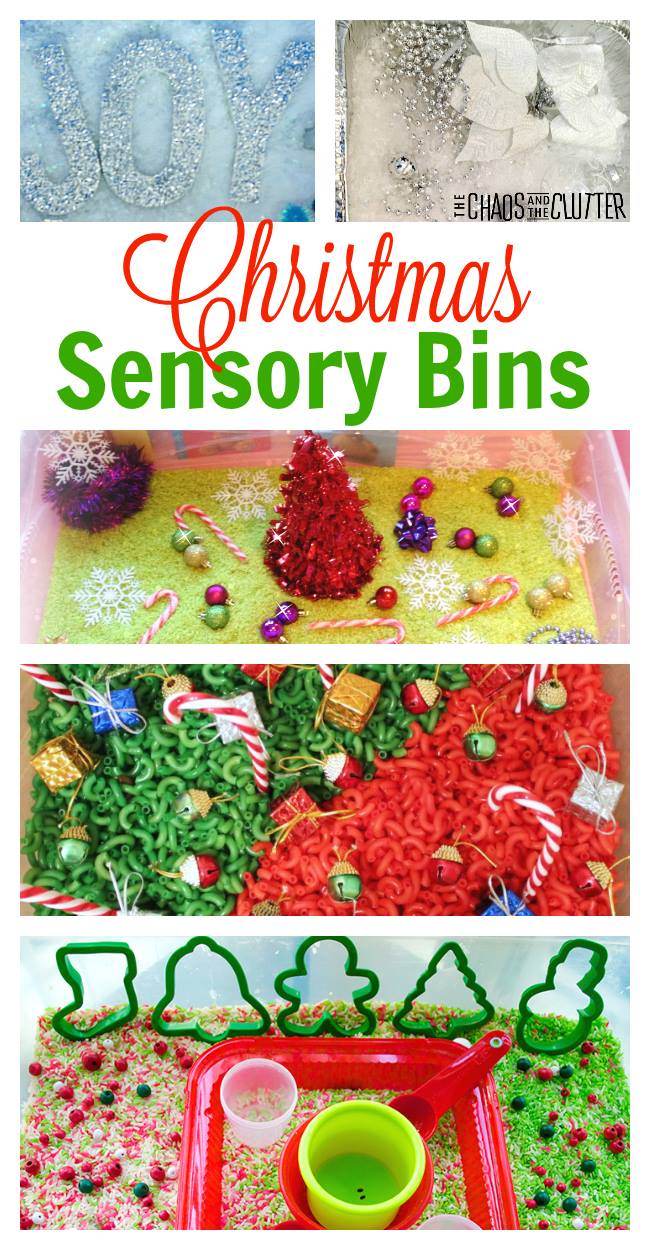
Fantastic ideas for Christmas sensory bins to inspire you to create your own.These Christmas activities not only provide much needed sensory input, they also offer opportunities to improve fine motor skills. They are also great boredom busters for during the holiday season.

Christmas Sensory Bins:

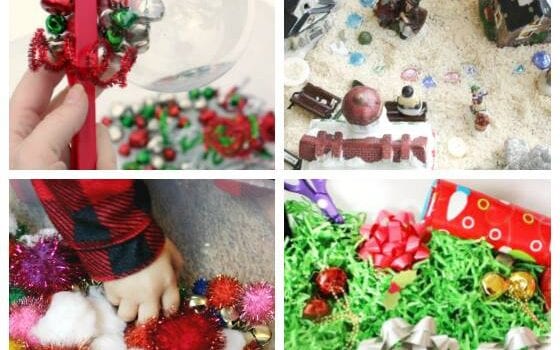
Joy Sensory Bin from here on The Chaos and The Clutter (pictured)

Winter Wonderland Sensory Bin from here on The Chaos and The Clutter (pictured)

O Holy Night Nativity Sensory Bin from here on The Chaos and The Clutter

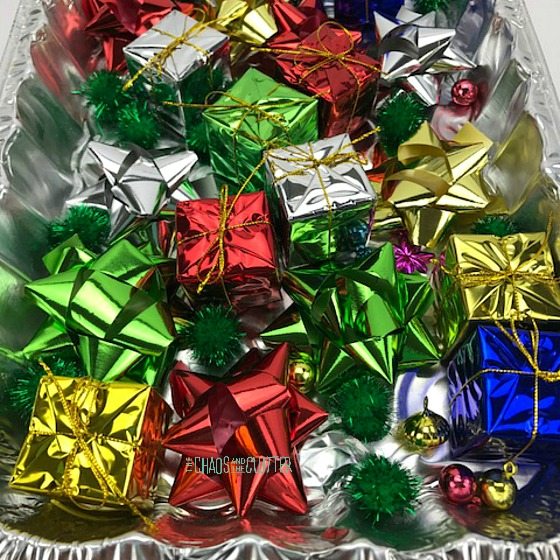
Christmas Gifts Sensory Bin uses simple Christmas decorations from the Dollar Store.
Nativity Sensory Bin from Growing Hands on Kids

The Easy Christmas Tree Sensory Bin from Happy Toddler Playtime includes mini Christmas trees, tongs, green rice, pompoms, and more.

Oh Holy Night Sensory Bin from Teach Me Mommy

Jingle Bell Rock Sensory Bin from Modern Preschool

Christmas Sensory Box from Learning and Exploring Through Play (pictured)

Red and Green Christmas Sensory Tub from Teaching Mama (pictured)

Christmas Lights Water Bead Sensory Bin from 3 Dinosaurs (pictured)

Candy Cane Sensory Tub over at Nurture Store
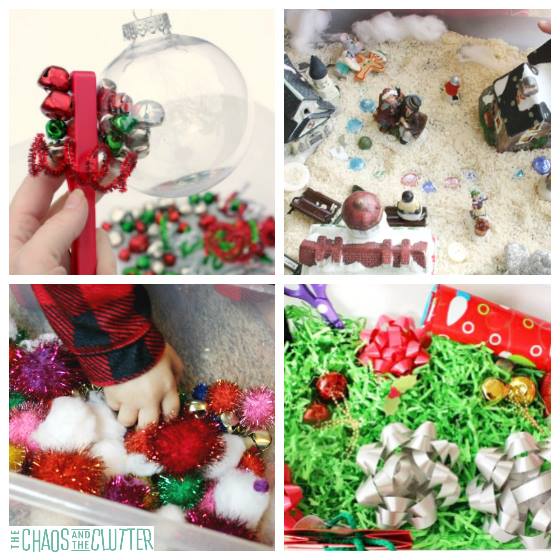
Christmas sensory bin examplesChristmas Village Sensory Bin from Happy Hooligans (pictured)

Christmas Sensory Bin from Gift of Curiosity has cute beads shaped like ornaments.

Jingle Bells Christmas Sensory Bins from Mama OT (pictured)

Away in a Manger Sensory Bin from Sugar Aunts

Jingle Bells and Magnets Sensory Bin from Lalymom (pictured)

Dollar Store Sensory Bin from The Good Long Road

Scented Christmas Sensory Bins:

Adding scents or a scented element to sensory activities engages the olfactory sensory system.

Peppermint Scented Christmas Sensory Bin from Parenting from the Heart

Cinnamon Scented Sensory Rice Play from Little Bins for Little Hands

Preschool Peppermint Bin from Learning 2 Walk

This Hot Chocolate Cloud Dough from Fun Early Learning is also taste safe.

Scented Snow Sensory Bin from Where Imagination Grows

Peppermint Sensory Bin from Stir the Wonder

Scented Snowflake Soup from And Next Comes L

Peppermint Water Play Christmas Activity from Fantastic Fun and Learning

Candy Cane Rice Sensory Bin from Little Bins for Little Hands

This Gingerbread Men Sensory Bin includes cookie cutters, nutmeg, and other easy household items and a book to add a literacy element to the activity.
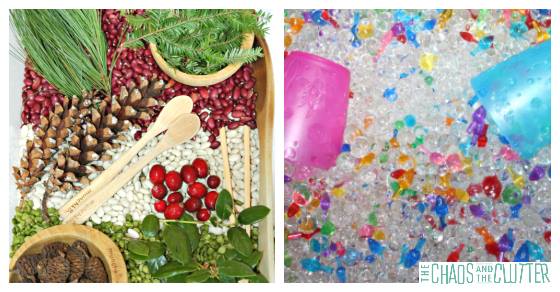
14686305_10154258480939900_593799523_nMore Christmas Sensory Bins:

Holiday Sensory Play with Gift Wrap from Pre-K Pages (pictured)

Jingle Bell Magnetic Sensory Bin from Teaching 2 and 3 Year Olds

For little ones, this Jingle Bells Scoop and Transfer is a great activity. A bit of food coloring ensures that it has even more holiday flair.

Easy Christmas Sensory Bin for Older Babies from Powerful Mothering

All Natural Christmas Sensory Bin from What We Can Do With Paper and Glue (pictured) features items that are found in nature with no dyeing required.

Christmas Water Sensory Play from Little Bins for Little Hands

Christmas Sensory Fine Motor Bin from Learning 4 Kids

Silver Bells Christmas Carol Sensory Bin from One Time Through

Whether you want to expand on a book study or on the movie, this Rudolph the Red-Nosed Reindeer Sensory Bin from Montessori From the Heart is a great way to do that and use some of your holiday scraps of wrapping paper, bows, and packing peanuts in the process.

If you’re looking for other Christmas sensory activities, our Nativity Playdough Tray or Gingerbread Playdough Station are so much fun.

I hope these Christmas sensory bins have helped sparked some creativity and ideas for you to make your own this holiday season.

For dozens of other sensory bin ideas, check out all of our past Sensory Bins.
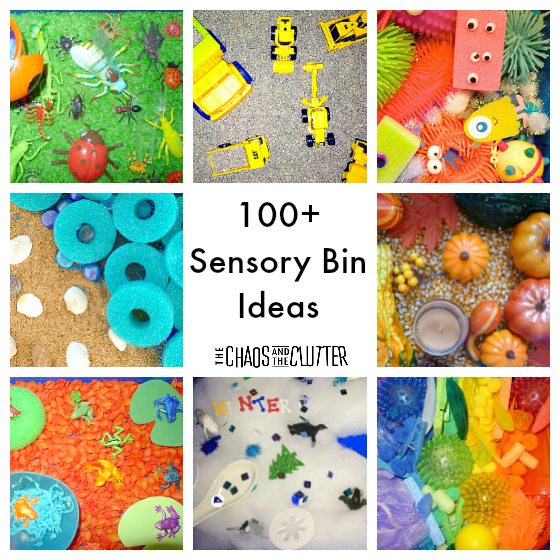
sensory-bin-collage-squareIf you are looking for information on making sensory bins, you may be interested in my book all about it. The Ultimate Guide to Sensory Bins
Join our free 5 part email series Sensory Solutions and Activities and get our Sensory System Behaviours Easy Reference Cards.

Filed Under: Sensory, Sensory Bins

Does My Child Have Sensory Processing Disorder?

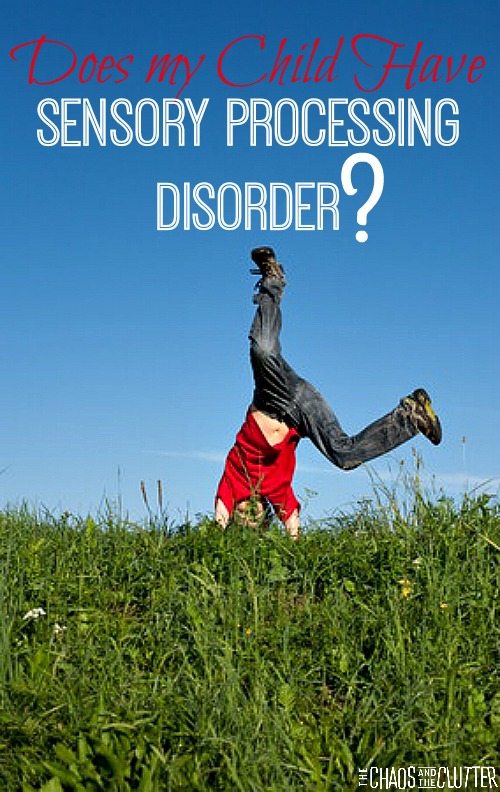
Does my Child Have Sensory Processing Disorder? If you are wondering whether or not your child has Sensory Processing Disorder, this list of information and resources will be a starting place for you to find help.

By Sharla Kostelyk

Sensory Processing Disorder is a term that ten years ago when my daughter was first diagnosed was not commonly spoken of and there was very little information about it. Thankfully, since then, there is increasing awareness of sensory issues and it is much easier to find information and support as a parent. We now have four kids who have SPD (sensory processing disorder) and one who just has sensory issues and two who are sensory typical.

Does my Child Have Sensory Processing Disorder? If you are wondering whether or not your child has Sensory Processing Disorder, this list of information and resources will be a starting place for you to find help.Image Copyright: gbh007 / 123RF Stock Photo

For a moment, let’s imagine that you are at the playground watching your child play and observing the other children at the park as well. The playground has sensory input of all types (did you know there are 8 types?! – we’ll get to that a bit later) and the kids that are there are all responding in their own way to receiving that input. Some of the children are running and laughing. One is sitting on the ground, crying, while another throws sand at them. One is walking on the concrete perimeter, seemingly unwilling to set foot in the sand. Some are swinging and sliding and shouting and one is crouched under the slide with his hands over his ears. A little girl is spinning wildly in circles, flapping her arms and before racing across to the swings where she swings higher than what seems safe. Two girls sit across from each other on the bench playing a rhyming clapping game. A toddler clings to his momma’s leg. Your child wants to go around and around and around on the merry-go-round until you are sure that they are going to be sick and still wants to keep going, but is also whining about the amount of noise at the playground and scratching the back of their neck where the tag on their shirt is bugging them.

What if I told you that more than four of the children described in the above playground scenario may be at risk for having SPD?

Some people assume that all kids with SPD are sensory avoidant, staying away from all sensory input. Or that people with SPD are sensory seeking, trying to create more of a sensory experience in every environment. The truth is that it is often a combination of both. You may find that there is a child with SPD who avoids all things auditory (hypersensitive to sound) while they are seeking vestibular input (under-sensitive to balance and spatial orientation). Such a child may want to swing with abandon and yet cover their ears at the slightest noise.

If you are wondering whether or not your child has Sensory Processing Disorder, this list of information and resources will be a starting place for you to find help.

If you are wondering if your child has Sensory Processing Disorder...Image Copyright: petro / 123RF Stock Photo

Sensory Processing Disorder (SPD) is also sometimes referred to as Sensory Integration Disorder (SID). To confuse things further, there are actually more sensory input systems than you may be aware of.

Sensory input systems:

  • visual
  • auditory
  • tactile
  • olfactory
  • proprioceptive
  • vestibular
  • gustatory
  • interoceptive

The sensory systems are complicated, but here is a very basic overview of them to give you a better understanding.

Vestibular: This is the sense of balance and motion. It helps give us a sense of where we are in space. This sense is located in the middle ear.

Proprioception: This system of body awareness is triggered when we exert force such as pushing or pulling on objects or even in jumping (push and pull of joints).

Tactile: This is the sense of touch, allowing us to know both that we have touched something and to determine what we have touched through receptors in our skin and mouth.

Visual: Our sense of sight, allowing us to discriminate objects and people based on visual cues.

Auditory: In a person without SPD, the auditory system allows us to not only hear, but also to filter out the noises that we do not need.

Olfactory: Our sense of smell also influences our sense of taste and is tied directly to emotional memories in the brain.

Gustatory: The sense of taste allows us to distinguish different foods.

Interoceptive: The feeling of things such as hunger, thirst, itch, pain, and body temperature.

Sensory Processing Disorder Risk Factors:

There are a number of other conditions and situations that predispose a child to having SPD. Some of these include:

  • premature birth
  • early hospitalization
  • prenatal exposure to drugs or alcohol
  • autism, Aspergers, PDD
  • time spent in an institution such as an orphanage
  • siblings or parent with SPD
  • tube fed for extended periods of time
  • early neglect
  • exposed to environmental toxins (such as lead paint in an orphanage)
  • ADD/ADHD
  • certain developmental delays and neurological disorders such as Fragile X Syndrome, Down Syndrome, FASD, and others

Do any of the following describe your child?

  • avoids having hair brushed
  • complains of tags in clothes or seams in socks
  • wants to go barefoot
  • spinning, swinging, rolling, enjoys the feeling of being dizzy
  • has higher than “average” pain tolerance
  • has lower than “average” pain tolerance
  • seems overly sensitive to light or noise or smells
  • listens to music louder than “normal”
  • has meltdowns, especially in busy places or new environments
  • trouble sleeping
  • bothered by textures
  • doesn’t seem to realize their own strength (e.g. a touch is almost a push)
  • avoids certain food textures
  • trouble recognizing if they are in motion
  • licks, sucks and chews on things, likes to often have something in their mouth
  • interrupts
  • can’t concentrate when there is background noise
  • covers ears for noises such as sirens
  • trouble recognizing objects by their shape
  • upset by transitions
  • breaks items accidentally
  • developmental delays, particularly as a baby or toddler
  • difficulty following directions, particularly multi-step instructions
  • seems to not notice being hot, cold or hungry
  • easily tired
  • difficulty crossing the midline of their body
  • appears lazy and/or disorganized
  • crashes into things, jumps, wrestles, always seems to be looking for large sensory input
  • constantly touching things and people
  • takes physical risks in play
  • cannot sit still
  • smells or licks non-food items
  • trips or bumps into things
  • struggle with personal care and hygiene tasks

Remember that SPD looks different for different people, so your child will not display all the symptoms above. You will notice that many of the things on the list contradict each other. That is because one child can be sensory seeking in a certain area of input while another can be sensory avoidant in that same area.

Sensory Processing Disorder is by no means a devastating diagnosis. But knowing can help you better understand your child and help them to better navigate the world around them, increasing their chances of success. It can also help you advocate for your child to enable them to have access to the services that will best help them.

Above all else, trust your instincts as a parent. If you suspect that there are sensory issues, keep searching until you find a professional who will listen to you. Start with a phone call to your paediatrician or an occupational therapist.

Here is a list you might find useful:

Sensory Processing Disorder Checklist

Some of my favourite blogs for information, resources and activities for SPD:

Growing Hands-On Kids
And Next Comes L (some great money-saving DIY sensory solutions here!)
Lemon Lime Adventures
The Sensory Spectrum
Sensory Mom Secrets
The Inspired Treehouse
Mama OT
B-Inpired Mama

You can also find simple sensory activities as well as help on such things as surviving a public bathroom with a child with sensory issues or  the sensory mystery of tight fitting clothing or learn about our sensory stations and much more right here on The Chaos and The Clutter.

Please note: I am not a medical professional. I am just a mom who has a lot of experience with SPD because so many of my children happen to have this diagnosis. I have done a lot of reading on the subject, attended a few seminars, spoken with and worked with professionals, and applied what I have learned with my own children. If you suspect that your child has SPD, please consult a professional in your area to confirm this.

The Best Books on Sensory Processing Disorder:

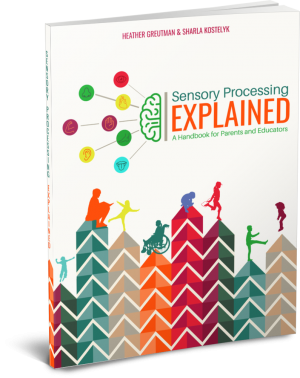
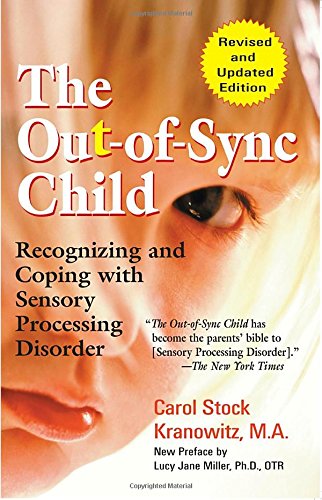
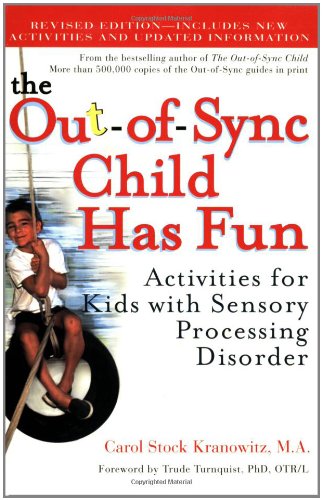
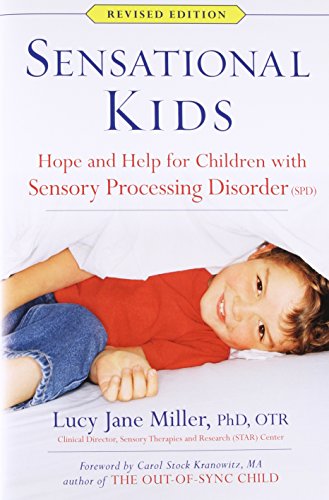
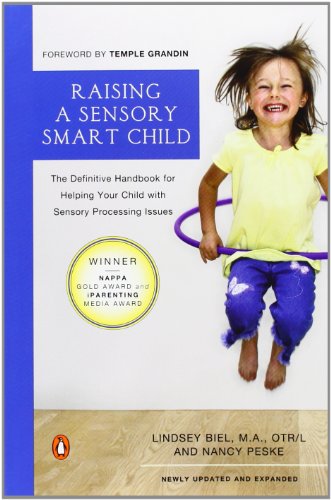
Sensory Processing Explained: A Handbook for Parents and EducatorsSensory Processing Explained: A Handbook for Parents and EducatorsBuy NowSensory Processing 101Sensory Processing 101The Out-of-Sync Child: Recognizing and Coping with Sensory Processing Disorder (The Out-of-Sync Child Series)The Out-of-Sync Child: Recognizing and Coping with Sensory Processing Disorder (The Out-of-Sync Child Series)The Out-of-Sync Child Has Fun, Revised Edition: Activities for Kids with Sensory Processing Disorder (The Out-of-Sync Child Series)The Out-of-Sync Child Has Fun, Revised Edition: Activities for Kids with Sensory Processing Disorder (The Out-of-Sync Child Series)Sensational Kids: Hope and Help for Children with Sensory Processing Disorder (SPD)Sensational Kids: Hope and Help for Children with Sensory Processing Disorder (SPD)Raising a Sensory Smart Child: The Definitive Handbook for Helping Your Child with Sensory Processing Issues, Revised EditionRaising a Sensory Smart Child: The Definitive Handbook for Helping Your Child with Sensory Processing Issues, Revised Edition

Join our free 5 part email series Sensory Solutions and Activities and get our Sensory System Behaviours Easy Reference Cards.

Sensory Meltdowns: Causes, Prevention and Strategies

Calming the Fight, Flight or Freeze Response in Your Child

Filed Under: Sensory, Special Needs Parenting

Eyeball Sensory Bin

By Sharla Kostelyk

This sensory bin was most popular with my older kids. In fact, I happened to have it on the counter during a zombie theme party we had for our son and the preteen and teenage guests at the party loved it! Some of those boys spent more than twenty minutes playing in it. Don’t believe anyone who tries to tell you that sensory bins are only for little ones!

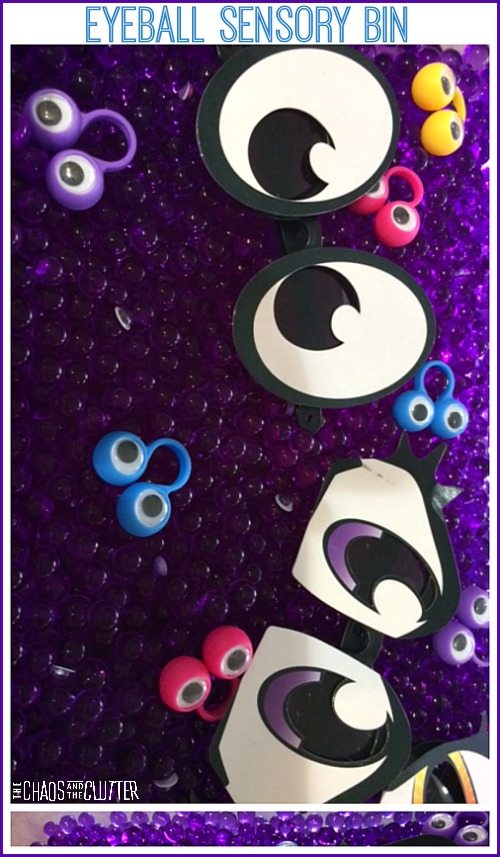
Eyeball Sensory Bin...even popular with older kids.To make this eyeball sensory bin, I used purple water beads, water, googly eye stickers, bright coloured eyeball finger puppet rings, and cartoon eye glasses. I began by filling a clear plastic bin with water and the purple water beads to allow them to soak up the water. When the water had been absorbed, I added the other items.
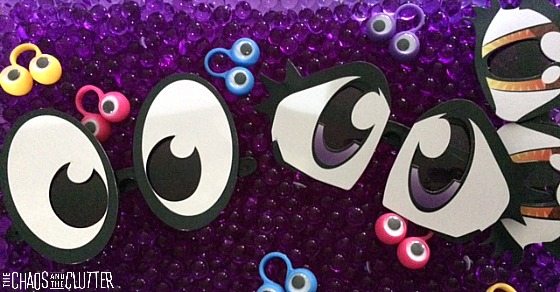
One of the ways the kids played with this bin was to play seek-and-find with the eyeball stickers that were here and there and everywhere.

Eyeball sensory bin with purple water beadsThe cardboard on the cartoon glasses got wet from the water beads after a few days so we ended up having to take those out, but they were a fun element while they lasted. The kids enjoyed trying them on and laughing at each other! They also liked playing with the ring finger puppets.
This would be a good sensory bin to go along with a Monsters theme unit or for Hallowe’en.

If you are looking for information on making sensory bins, you may be interested in my book. The Ultimate Guide to Sensory Bins

Join our free 5 part email series Sensory Solutions and Activities and get our Sensory System Behaviours Easy Reference Cards.

Filed Under: Sensory, Sensory Bins Tagged With: sensory bin, sensory play

Autumn Sensory Bin with Birdseed and Cinnamon

By Sharla Kostelyk

When it comes to sensory bins, I usually make a new one every week and have an easy time coming up with ideas. I have a storage cart that houses sensory supplies so in a pinch, I search through there for inspiration and it only takes me a few minutes to put together a new bin.

This summer was the busiest we have ever had (four different camps between VBS, day camp, horse camp, and mountain bike camp for five of the kids, extended family camping trip, my trip to Virginia to speak at a blogging conference, family road trip to Vancouver Island, out of town wedding in the mountains where my husband was the best man, and various day trips) and trying to get back into the swing of homeschooling this Fall has not gone as smoothly as planned.

Even something as simple as coming up with a new sensory bin can add to the general feeling of overwhelm. That’s where great friends come in! My friend Michelle gifted me this sensory bin in a bag. She was one of the moms that did the sensory bin swap with me last year and since then, we have given each other a few bins-in-a-bag.

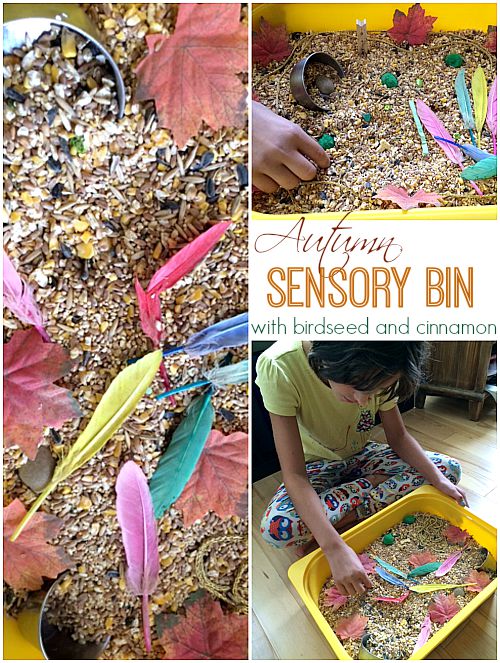
Autumn Sensory Bin with birdseed and cinnamonMaking a bin-in-a-bag couldn’t be simpler. You take your latest sensory bin and dump the contents into a resealable bag and then pass it along to someone so that their kids can enjoy a new sensory bin experience.
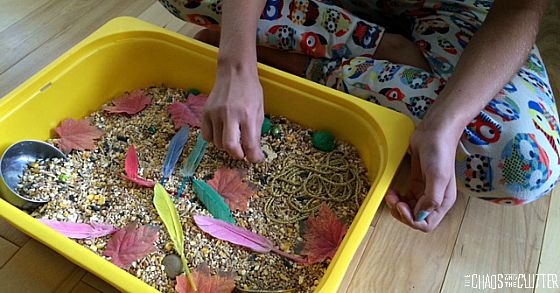
Michelle’s Autumn Sensory Bin contained:

  • birdseed
  • cinnamon
  • bright coloured feathers
  • fall leaves (plastic)
  • thin gold rope
  • two scoops
  • green pompoms
  • a rock
  • a clothespin

Granola Girl said that this bin reminder her of an I-Spy sensory bin. She enjoyed playing with the different textures and she liked the cinnamon scent (though Michelle’s daughter was not a fan of it apparently!). Between the colours and the smell, this sensory experience was a great way to welcome Fall!

Autumn Sensory BinI’m thankful that I have friends who share their sensory bins with me when I’m in a bit of a creative funk! (Michelle did give me permission to post pictures of her lovely creation).
If you are looking for information on making sensory bins, you may be interested in my book. The Ultimate Guide to Sensory Bins

Join our free 5 part email series Sensory Solutions and Activities and get our Sensory System Behaviours Easy Reference Cards.

Filed Under: Sensory, Sensory Bins Tagged With: sensory bin, sensory play

Frozen Sensory Bin

Frozen inspired sensory bin

By Sharla Kostelyk

There’s a Disney movie you may have heard of called Frozen. I am probably one of the few people in North America who has not seen it. I heard little snippets of it once when the kid had friends over who had brought the movie with them and they were all watching it in the other room while I made supper, but I have never sat down and watched it.

I can deduce though given the amount of references to the movie, the frequency of times I’ve been subjected to listen to “Let it Go” sung by my tone deaf daughter, and what I see in stores that this movie is a big deal, in particular to children of a certain age. In this case, given that I haven’t seen the movie, I guess you could say that I was inspired by the movie’s popularity to make a Frozen sensory bin.

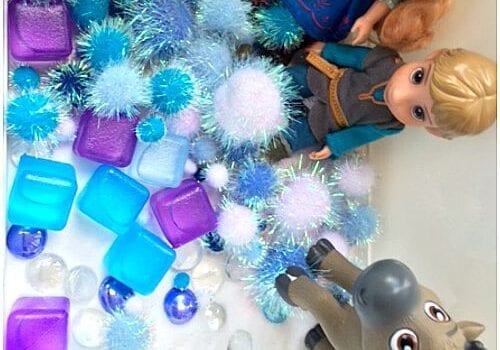
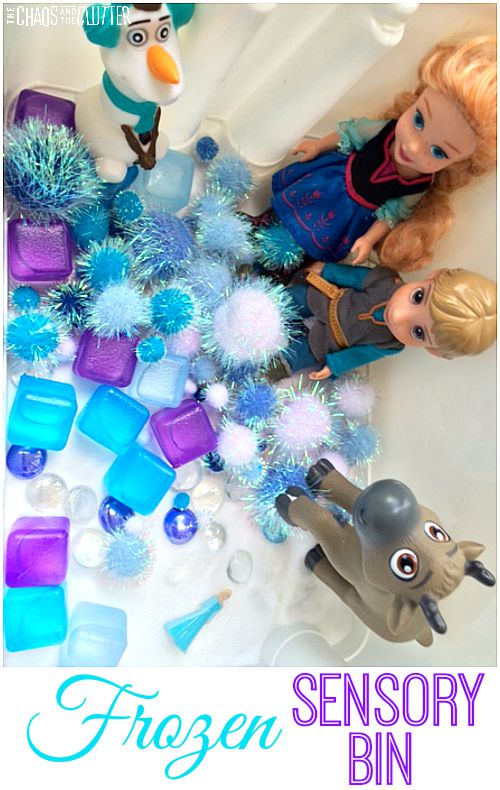
Frozen inspired sensory binFor the base, I used salt, but you could also use sugar (which I don’t recommend because it may be too tempting for kids to eat it!) or epsom salt. I added reusable plastic ice cubes in purple and various shades of blue. I froze these to begin with to add another sensory element to the bin of having something cold.
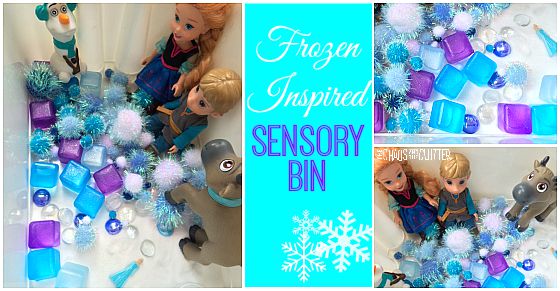
I added fuzzy pompoms in blue and white, glass beads in blue and clear, a tiny Elsa figurine, and some larger Frozen characters, Olaf, Kristof, Anna, and Hans or Sven ( I don’t know which is which!).

Frozen Inspired Sensory BinThis Frozen sensory bin is a simple one but it combines several textures and opens itself up to imaginative play with the addition of the characters.
For hundreds of other sensory bin ideas, you can also follow my Sensory Bins board on Pinterest.

Follow Sharla Kostelyk’s board Sensory Bins on Pinterest.

If you are looking for information on making sensory bins, you may be interested in my book. The Ultimate Guide to Sensory Bins

Join our free 5 part email series Sensory Solutions and Activities and get our Sensory System Behaviours Easy Reference Cards.

Filed Under: Sensory, Sensory Bins Tagged With: sensory bin, sensory play

Maple Scented Canada Day Playdough

By Sharla Kostelyk

Homemade playdough is the best. I don’t think there is anyone that would dispute that when compared to store-bought, it is softer and less crumbly and messy and lasts longer. But I used to hate making homemade playdough because it made my arms sore to stir it for so long as it thickened!

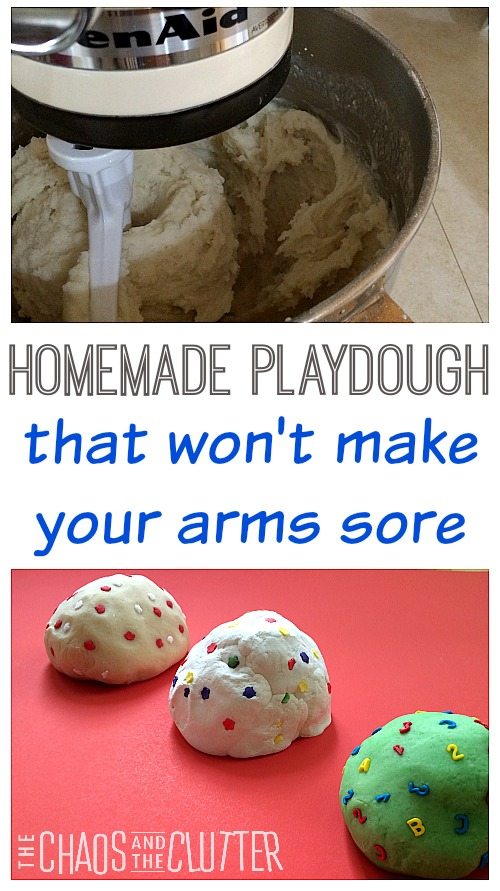
I have finally discovered the secret to making homemade playdough without getting sore arms! The answer to my playdough-making-problem was sitting on my kitchen counter right under my nose…my KitchenAid!

Homemade Playdough that won't make your arms soreI got the KitchenAid as my Christmas gift last year and honestly, I have only used it a handful of times, but I noticed it sitting there on the counter and an idea began to form…what if it could do the work for me? I put the flat beater attachment on and began to add the ingredients for the playdough.

I let it mix the dry ingredients first before adding the oil and then the boiling water. I could not believe how well it worked. I kept it on the two lowest settings and it was done in no time at all. 

It took less than five minutes to have soft playdough ready for my kids to use! My arms did not have to get a workout and the clean-up was easy. I will be making playdough in my KitchenAid from now on!

Of course, I also went outside and told my husband immediately that I had found a purpose for the gift he had bought me and it would get plenty of use now!

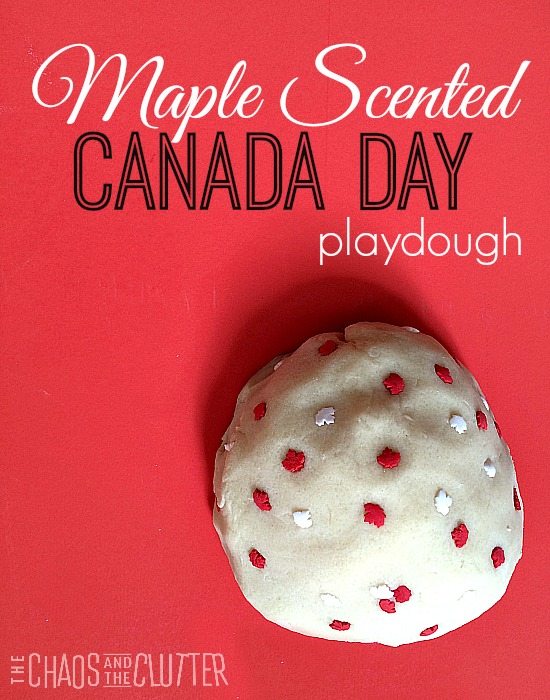
Maple Scented playdough perfect for Canada DayRecipe for Maple Scented Playdough

1 cup plus 1 Tbsp. flour
1/2 cup salt
2 Tbsp. cream of tartar
1 Tbsp. oil
1 1/2 Tbsp. maple flavouring
1 cup boiling water

maple shaped candy sprinkles (edible confetti)

Put dry ingredients in KitchenAid mixer. Add oil and maple flavouring and begin mixing with the flat beater. As it is mixing on the lowest setting, add the boiling water. Mix until desired playdough texture is achieved.

Take the dough out of the mixer and allow it to cool before adding some maple leaf shaped candy sprinkles.  If you add the sprinkles before the dough is cool, they will melt.

*Note that the candy sprinkles will melt anyway while your kids play with the dough but waiting until the dough is cool will allow them to retain their shape initially.

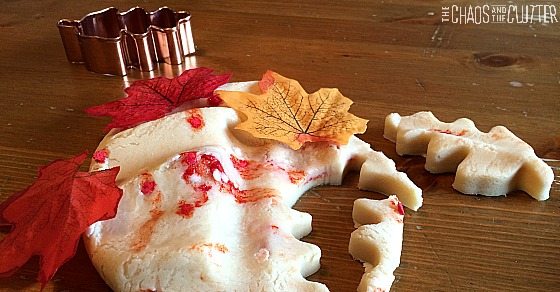
Canada Day maple scented playdoughI set the dough out with some play maple leaves and leaf shaped cookie cutters to encourage imaginative play. My kids really like playdough as part of their sensory play.
If you are looking for more playdough ideas and recipes, you may want to follow my Playing with Playdough board on Pinterest.

Follow Sharla Kostelyk’s board Playing with Playdough on Pinterest.

Free Printable Playdough Mats

Join our free 5 part email series Sensory Solutions and Activities and get our Sensory System Behaviours Easy Reference Cards.

Filed Under: Crafts and Activities, Sensory Tagged With: sensory play

  • « Go to Previous Page
  • Page 1
  • Interim pages omitted …
  • Page 37
  • Page 38
  • Page 39
  • Page 40
  • Page 41
  • Interim pages omitted …
  • Page 50
  • Go to Next Page »

Primary Sidebar

Categories

We are a participant in the Amazon Services LLC Associates Program, an affiliate advertising program designed to provide a means for us to earn fees by linking to Amazon.com and affiliated sites.

Copyright © 2026 • The Chaos and the Clutter • Site Design by Jeni @ The Blog Maven

Return to top of page

Copyright © 2026 · Chaos and the Clutter 2.0 on Genesis Framework · WordPress · Log in