• Skip to primary navigation
  • Skip to main content
  • Skip to primary sidebar
  • Home
  • About
  • Contact
  • Privacy + Terms
  • Affiliates

The Chaos and the Clutter

  • Facebook
  • Twitter
  • Pinterest
  • Google Plus
  • RSS
  • Email
  • School at Home
  • Sensory
    • Sensory Processing Disorder
    • Awesome Sensory Play Activities
      • Sensory Bins
      • Sensory Bottles
      • Sensory Bags
  • Family Games
    • Minute to Win It Games
  • Special Needs Parenting
    • Childhood Anxiety
    • Reactive Attachment Disorder
    • Sensory Processing Disorder
  • Store
  • Course Login

Sensory

The Day the Crayons Quit Sensory Bin

colored rice in a bin with bright colored pompoms, dice, tweezers, and a magnifying glass

By Sharla Kostelyk

Building a sensory bin around a book is a genius idea. Reading aloud is so incredibly valuable for our children. Not only will The Day the Crayons Quit Sensory Bin encourage you and your children to read aloud together, it will also provide positive sensory input. Plus, your kids will be working on fine motor skills, hand-eye coordination, gross motor skills, observation, and color theory. 

The top half of the image shows a close up of the sensory bin with magnifying glass front and center and the book staged behind. The bottom half of the image shows a different view of the sensory bin with the dice and tongs featured. In the middle, text states "The Day the Crayons Quit Sensory Bin".Bright and engaging colors, a variety of interesting textures, and a story to tell, retell, and imagine will make this a sensory bin your kids won’t want to leave. The value of sensory input for children cannot be overstated. The same can be said for literacy. This activity encourages both.

About The Day the Crayons Quit

A delightful book, The Day the Crayons Quit by Drew Daywalt and Marichelle Daywalt, tells the story of a time when all the crayons were dissatisfied with their lot in life. Each of the crayons leaves behind a letter to explain their plight and a dissappointed young man must convince them to take up their posts again so that he can color. The book covers themes like communication, feelings, empathy, and respect.

Why Connect a Sensory Bin to a Picture Book

The beauty of reading picture books to children is that the pictures help  to bring stories to life for children and help them engage with the story even as they work separately on the skill of picturing a story as they read. Reading out loud to your children has immense value because they can hear and understand far more than they can read on their own. So by reading, you are providing an enriched literary experience they will come to crave for themselves. 

When you add a sensory bin to the picture book experience, you are extending the magic. You keep the story alive in their minds and give them one more way to explore the concepts introduced by the book. As they play, they replay or continue the story in their heads or outloud with each other. This gives kids practice using vocabulary, communicating with each other, using imagination, and exploring the world.

The connection between the sensory bin and the book strengthens neural pathways in the brain and improves comprehension through play. It’s a new way to process and work through new information. 

How to Make a “The Day the Crayons Quit” Sensory Bin

Supplies Needed 

  • Rainbow Rice – Make your own dyed rice.
  • Rainbow Pom Poms
  • Number Mini Erasers
  • Child Friendly Tongs
  • Magnifying Glass
  • Foam Dice
  • Small Bowl
  • Book: The Day the Crayons Quit

Step-By-Step Instructions

  1. Fill the sensory bin with rainbow rice.
  2. Add rainbow pom poms and number mini erasers.
  3. Add small bowl, tongs, magnifying glass, and dice.
  4. Set the book next to the bin.

Suggested Activities to Go with The Day the Crayons Quit Sensory Bin

  • Read the book.
  • Roll the dice and find a matching number mini eraser with the magnifying glass.
  • Roll the dice and use the tongs to place the correct number of pom poms in the bowl.
  • Use the magnifying glass to take a closer look at the book.
  • Locate a color in the book and find the matching colored pom poms.

How to Play with A Sensory Bin

  • Sort and organize. This is such a valuable activity for kids. You can sort items in the bin by color, type, or size. 
  • Encourage your children to enjoy free play in the bin and see how they approach the experience. Let them run their hands through the rice, scoop and pour it, and play for as long as they like.
  • Compare and contrast. Talk about how the textures, colors, shapes, and sizes of each object compares to the others. Use descriptive words like smooth, soft, fluffy, or bright to describe the objects and compare them. 
  • Gather and distribute. Move all of the pom poms to the bowl. Then dump the pom poms and move all the number erasers to the bowl. Use tongs, tweezers, or thumb and index fingers to work on fine motor skills a variety of different ways.

Sensory Bin Variations

You do not have to use rainbow rice. You could use rainbow pasta, rainbow beans, or a different sensory bin filler in primary colors. 

Be creative! You can find mini crayon erasers and all kinds of things to use in your sensory bin if you have the room in your budget, but you can also pick things up at yard sales, at thrift shops, and from around your home. For this sensory bin focus on primary colors or rainbow colors to go with the theme of the book.

Add funnels, scoops, tweezers, measuring cups, spoons, and other tools to help your child experience the different materials in the bin. 

Learning Extension Activities for The Day the Crayons Quit

Create Your Own Follow-Up Story: The Day the Crayons Were Happy

The Day the Crayons Quit Coloring Page

Make Crayon Ornaments

How to Melt Crayons and Make New Ones

Filed Under: Homeschooling, Sensory, Sensory Bins Tagged With: sensory bin, sensory play

Cool Whip Play Dough

a ball of white dough sits atop a container of Cool Whip

By Sharla Kostelyk

Did you know that the simple act of playing with play dough has incredible benefits for kids? It’s a fantastic tool to keep in your parenting toolbox at all times. This taste-safe recipe for Cool Whip Play Dough is a fun way to engage your kids in sensory play for thirty minutes, an hour, or maybe an entire afternoon. 

The top half of this image shows a collection of cookie cutters and dough rollers with a container of Cool Whip and play dough with various letters pressed into it. The bottom half of the image shows a container of Cool Whip with play dough balled on top of it. In the center, text reads "Cool Whip Play Dough".

We like to make new and exciting playdough recipes to change things up, even though we love our Basic Homemade Playdough Recipe for everyday use. This recipe is so fun for kids because it is edible playdough, and they can help make this simple recipe. In fact, I recommend letting your kids help whenever possible!

Pro Tip: This is the perfect way to use up Cool Whip you forgot about over the holidays and found in your freezer three months later!

Cool Whip Play Dough Recipe

  • 8 oz. frozen Cool Whip
  • 1 cup powdered sugar
  • 2-3 cups cornstarch
  • Food coloring – optional

A close up of a container of Cool Whip with a large ball of play dough on top.

How to Make Cool Whip Play Dough

  1. In a medium bowl, add the frozen Cool Whip and 1 cup of powdered sugar. Stir to mix together well.
  2. Add 1 cup of cornstarch to the Cool Whip and powdered sugar, then mix again.
  3. If you’d like to add food coloring, add 4-5 drops and mix in.
  4. Place the Cool Whip mixture back into the container and refreeze overnight.
  5. Add the Cool Whip mixture into a bowl.
  6. Add another cup of cornstarch and mix well with a spoon.
  7. If the mixture is still sticky, add another 1⁄2 cup of cornstarch and knead with your hands.
  8. Play!

Pro Tip: If the Cool Whip play dough is still sticky, add the remaining 1⁄2 cup of cornstarch and knead well. More cornstarch may be needed as the dough absorbs moisture in the air over the next few days.

The steps to make this Cool Whip Play Dough Recipe are demonstrated in picture form with a mixing bowl, plastic spoon, and the ingredients (cool whip, powdered sugar, corn starch).

How to Store Cool Whip Play Dough

This is not the kind of play dough you can keep on the counter. Instead, store your leftover edible playdough in an air tight container in the refrigerator for 2-3 days.

Variations

You can substitute some of the cornstarch with chocolate cocoa powder or strawberry drink mix powder for different flavors. 

A bit of peppermint flavoring (not extract) will make this the perfect Christmas or winter play dough and add that amazing smell for sensory play. I don’t recommend using extracts because of the bitter taste of uncooked alcohol, but you can find alcohol-free flavoring oils in the cake decorating section of your local craft store.

Playing with Play Dough

I’m always looking for common household objects that will make our playdough play more fun. Set out the play dough with a few interesting possibilities and create an invitation to play. Here are some fantastic ideas for things that either cut play dough or make fun imprints, and most of these you already have or can grab at the dollar store.

  • Plastic Cups
  • Plastic Cookie Cutters (letters and numbers are fabulous!)
  • Cookie Press Cutters 
  • Dough Roller
  • Toy Rings or Jewelry
  • Lego® or Duplo®  (this may be a permanent sacrifice, so proceed with caution). 
  • Plastic silverwear (knives, forks, spoons)
  • Combs
  • Plastic Beads
  • Bubble Wrap
  • Hair Brush
  • Whisk
  • Plastic Animals
  • tooth brushes
  • doggy toothbrush 
  • leaves, flowers, and plants

Pro Tip: Contain the mess with play dough mats. I hear parents mention repeatedly that the reason they don’t do “XYZ” is because they don’t like the mess. As grown-ups we can figure out ways to contain and deal with that mess for a few years so that our kids get the powerful benefits of sensory play. Our Play Dough Mats Bundle can help you, and will even extend the fun! As a side note, this edible play dough wipes up easily with a hot wash cloth, and stray pieces on the floor may be snapped up by your pets.

A collection of cookie cutters and dough rollers with a container of Cool Whip and play dough with various letters pressed into it.

The Benefits of Play Dough Play

This playdough provides significant sensory feedback, including tactile (touch), proprioceptive from the squeezing and squishing of the dough, and gustatory (taste) sensory input. If you add smelly food-safe flavoring oils it can also add olfactory (smell) sensory input just like our Pudding Playdough or Melting Ice Cream Playdough.

Besides sensory input, play dough also builds fine motor skills, hand-eye coordination, imagination, concentration, and problem solving.

Like most sensory play, playdough is therapeutic and can relieve stress or tension as a calm-down activity for both kids and adults. Try our Calming Lavender Scented Playdough.

This is a huge list of benefits, and doesn’t even touch on ideas for using play dough to extend learning in math, science, and other academic areas — check out Dinosaur Fossils in Playdough as an example!

Tips to Keep Play Dough Time Fun and Interesting

Even though the sensory input is invaluable, some kids might find play dough boring after a while, and need inspiration to keep enjoying the experience. Here are some ideas.

Change up the toys. Don’t give your child all the things for play dough all at once, keep a few different bags of play dough tools and toys to rotate through. 

Change up the recipes. We have a huge and growing collection of play dough recipes on our site!

Connect it to hobbies and interests. Whatever your child is into right now can be connected to sensory play whether its play dough or sensory bins. Dinosaurs? No problem. Counting. Easy! Flowers? Piece of cake! 

Change the smell. Some kids may dislike the natural smell of our play dough recipes. Add a drop or two of essential oils, extracts, or food-safe flavorings to keep it fresh. *Make sure to use food-safe ingredients if your child puts everything in their mouths!

More Thematic Play Dough Recipes Your Child will Love

Frozen Inspired Elsa Microwave Playdough

Peter Rabbit Playdough Invitation to Play

Apple Tree Colour and Counting Playdough Game

Rainbow Playdough Colour and Counting Game

Filed Under: Crafts and Activities, Sensory Tagged With: sensory play

Yoga Bingo for Kids Free Printable

cartoon girl sits cross-legged on a yoga mat with words on a grid beside her

By Sharla Kostelyk

When self-regulation is a struggle, simple yoga activities can help. These centering activities for the whole body are a great way to calm down in stressful situations. When your child needs to regain control, suggesting yoga poses can stop the spiral fast. First, your child needs to know how to do the yoga poses. Practice yoga poses using our free printable Yoga Bingo for kids. Spend ten or fifteen minutes on this activity daily for long-term rewards as they help your child regulate his or her sensory, vestibular, proprioception, and tactile sensory systems.

Yoga poses are just one tool in your “calm-down” arsenal. At The Chaos and The Clutter, we are all about arming kids with the tools they need to gain control and self-regulate on their own. Your goal is to help your child become an independent adult who can navigate tricky emotions and stressful situations successfully on their own. You’ll find ideas for sensory bins, strewing, and games to help your child learn self-regulation throughout this website.

Image showing free printable Yoga Bingo for kids.

The Benefits of Yoga for Children

Vestibular System Function. The vestibular system is one of the sensory systems that helps create a sense of balance and spatial orientation to coordinate movement with balance. Yoga provides direct feedback and practice for this system.

Proprioception. Understanding one’s place in space is not as easy for some children as you might expect. Neurons in the muscles, joints, and tendons help a body feel grounded and aware in any environment, able to experience and understand self-movement, force, and body position. Yoga provides practice for all of three of the components of proprioception.

Tactile Sensory Play. The sense of touch may seem normal to you, but what is normal? Not everyone experiences touch the same way. Tactile play can help children who struggle with touch to interpret those brain signals more effectively. Sensory bins or bags are another great way to incorporate tactile play into your day. Yoga, especially when moving through different environments, provides direct tactile feedback for the body.

Physical Strength. Yoga is well known for building core strength and developing the muscles of the limbs as well. Children with sensory disorders often lack muscle strength because of avoidance of certain types of feedback. So any time you can participate in strengthening activities that don’t feel threatening, it’s a good thing. As an example, basketball practice builds physical strength, but because I am no good at it and it’s all about competition, it’s a very threatening experience for me. Yoga, on the other hand, is a competition with yourself. Can you do that pose better today than you did last week? That’s progress. That’s a win. As long as you keep yoga fun and low-key, it won’t be a threatening experience at all. 

Grounding. There are two types of grounding. Grounding for mental health is the process of providing your brain with a distraction. Anything that uses the left brain will help take your brain away from the emotional right sphere and regulate your response. Yoga can be a left-brained activity. Counting, deep breathing, marching to a beat, and naming items in a list are other ways to engage the left brain. The other type of grounding is the process of connecting with gravity or the earth’s electrical energy. There are many theories on this, but yoga outside in the grass would qualify as grounding in this way.

How to Use Yoga Bingo for Kids

As soon as you download this printable, I recommend that you print at least one copy and laminate it so that it will survive the mom purse. Carry it with you as you are out and about with kids, and keep a copy handy at home, too. Make Yoga Bingo a habit with your kids, and they will learn all of the poses quickly and be able to take the pose when asked. Try to fit in ten to fifteen minutes of yoga per day in non-stress situations. Practice when everything is low-stress so that it is an easy ask during high-stress situations. Deep breathing in mountain pose can be done almost anywhere as long as you have practiced.

Finding Time to Fit Yoga into Your Day

Once you have a laminated copy to keep on hand, you can start working yoga training into your day. As you start making yoga bingo a habit, you will find ways to get more and more creative while out and about. Here are some ideas to get you started. 

  • Standing in line at the grocery store? There are actually several yoga poses you can practice while waiting in line. Start with the mountain pose, and then try the tree pose. Once your children complete a pose, have them mark it off on the chart with a dry-erase marker or removable sticker. Then, look for another pose you can do without disturbing others in line. Once you learn them all, it gets easier! 
  • Waiting between appointments? Find a grassy area in the parking lot where your kids can get a little more elaborate. Here, they can practice and learn the cat-cow pose, the downward-facing dog pose, and the camel pose. Bonus: These poses all have animal names, so you can also practice animal sounds and sing Old McDonald Had a Farm, depending on the ages of your kids.
  • Does your wait have to be in a carpeted room? Try some of the seated or floor-friendly poses like the frog pose, boat pose, or the seated forward bend pose. Some of these can even be done in a chair! 

Make Yoga Bingo a Game

Keep it fun and low-key so that yoga is never a chore. If competition is a positive thing, you can give each child a card and have them work towards an individual bingo for the win. But, if competition is threatening or unpleasant for any of your children, work towards a family bingo instead — everybody wins, and as long as everyone participates, you can enjoy a group reward. It doesn’t have to be something you announce, and it doesn’t have to cost money. Just some form of encouragement. Here are some ideas for encouragement when everyone participates in family yoga bingo.

  • group cheer
  • high fives or fist bumps all around 
  • group hug
  • a stop at a local park
  • pizza night (for bigger wins, like a week or month of consistent participation)

So, to recap. Print your copy of yoga bingo for kids right away so you don’t forget about it. If you have a laminating machine, get it laminated for protection, and consider making a copy for each of your kids. Practice yoga for ten to fifteen minutes per day to make sure everyone in the family learns the poses in a short period of time. Make it a game, but don’t make it a competition unless that is good for everyone. Reward positive behavior. When you are ready, encourage yoga poses in stressful situations when appropriate. 

Download and print your Yoga Bingo for kids:

Filed Under: Family Games, Sensory

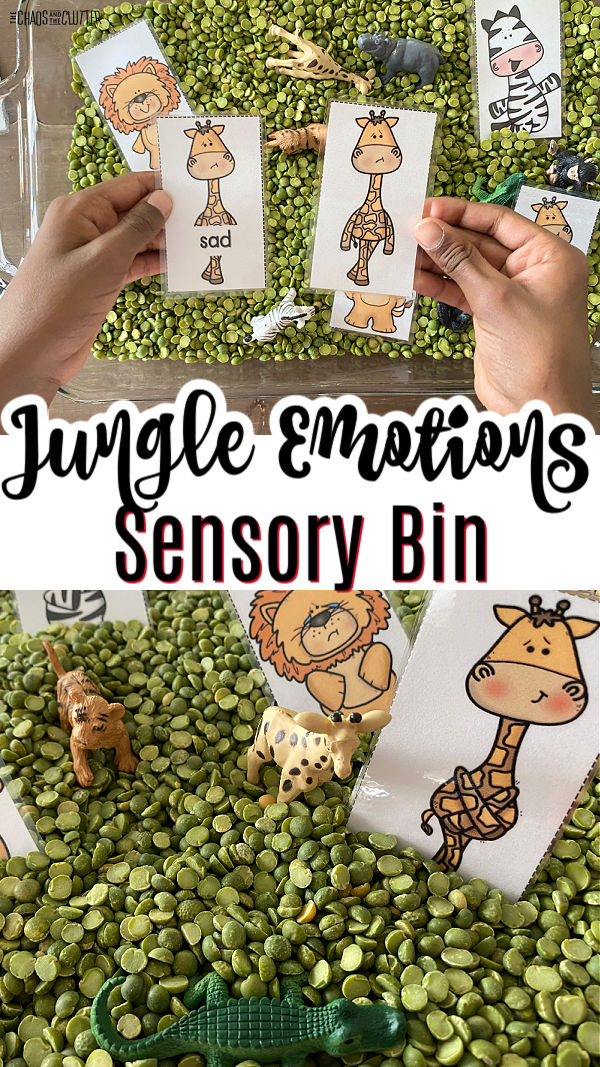
Jungle Sensory Bin with Printable Feelings Cards

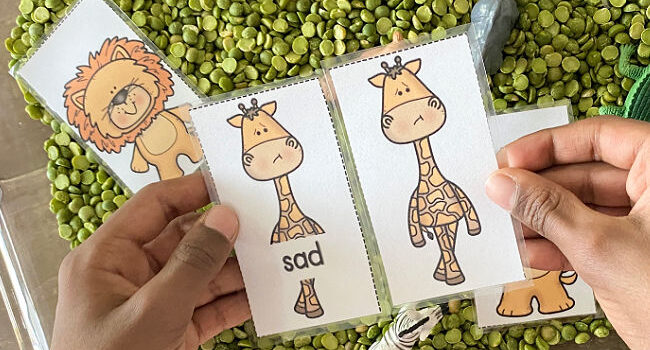
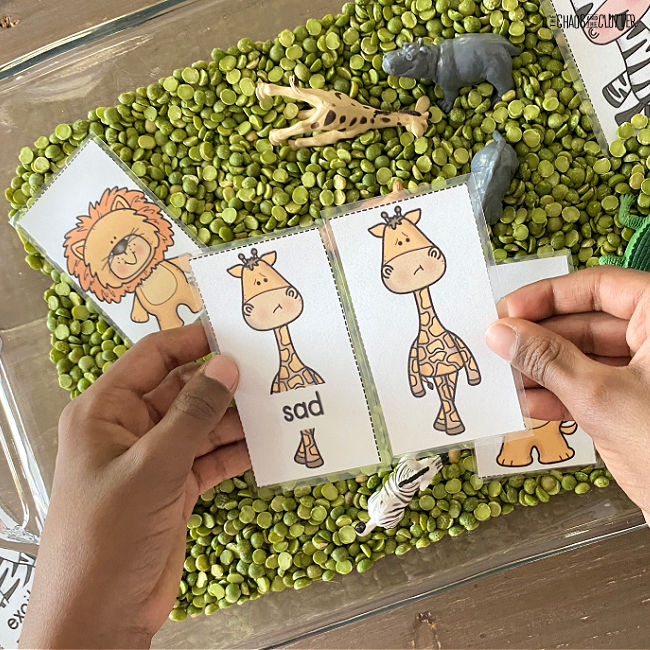
matching two cards of a cartoon sad giraffe

By Sharla Kostelyk

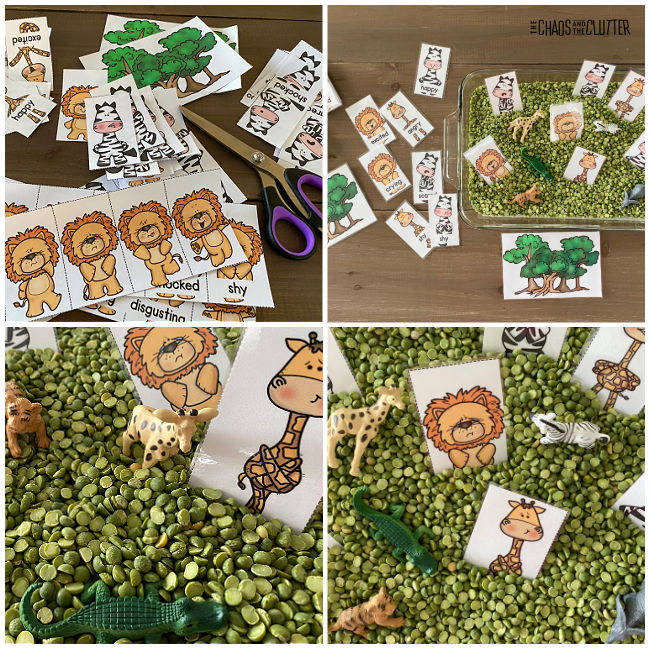
Sensory bins are a fun way to get your kids engaged in imaginative play. And while they’re perfect for encouraging your child to play independently, you can also use these learning tools to help reinforce important concepts, like emotions. With this fun jungle sensory bin, your preschooler can have fun playing with cute jungle animals while also practicing emotional identification.hands hold up card with animals on them above a bin of dry split peasThis activity is great for preschools, Kindergarten classrooms, or home. You can easily adapt the questions you ask for older and younger kids. Learning opportunities:
  • early reading
  • matching
  • jungle animals
  • emotions
  • sensory play

How to Make a Jungle Sensory Bin

Materials Needed:

  • Large bin or dish
  • Split peas or other green filler (see suggestions below)
  • Toy jungle animals
  • Printable jungle animal feelings cards (you can download those here)
  • Scissors
  • Laminator (optional)

Instructions:

  1. Fill the bin with your filler material.
  2. Add the jungle animal toys.
  3. Print out the jungle animal feelings cards and cut them out. Laminate for durability, if desired.
  4. Place the cards inside the bin with the toys.

process of cutting out jungle animal cards and putting them in a sensory bin

How Do You Play with this Feelings in the Jungle Sensory Bin?

After you put your jungle themed bin together with the filler, toys, and printable cards, it’s time for your kids to have some fun! Let your child explore the items in the bin independently first. Then, you can encourage them to identify the different feelings they see on the animal cards.

These simple prompts are a great way to get your kids thinking about the jungle themed animals inside their sensory bin:

  • Point at the sad lion.
  • Show me the angry zebra.
  • Find the happy giraffe.
  • Which animal is angry?
  • How is the zebra feeling?
  • Can you find the sad giraffe?
  • Why do you think the lion is crying?
  • Is the zebra excited?

matching two cards of a cartoon sad giraffe

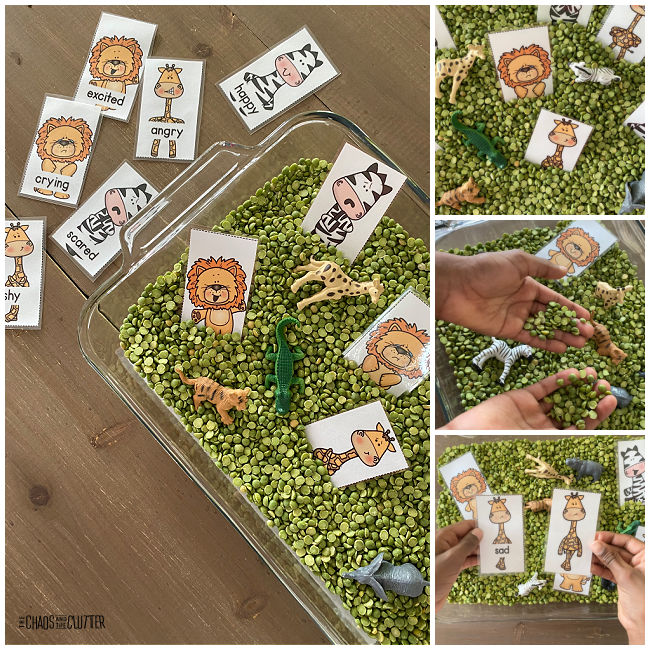
Since this printable activity features a variety of feelings and emotions on each set of cards, your kid can have tons of fun playing with their favorite jungle animals and learning about feelings at the same time. The cards feature three different popular jungle animals: giraffes, lions, and zebras. And each animal displays 10 different emotions:

  • Happy
  • Sad
  • Angry
  • Disgusted
  • Shy
  • Confused
  • Scared
  • Shocked
  • Crying
  • Excited

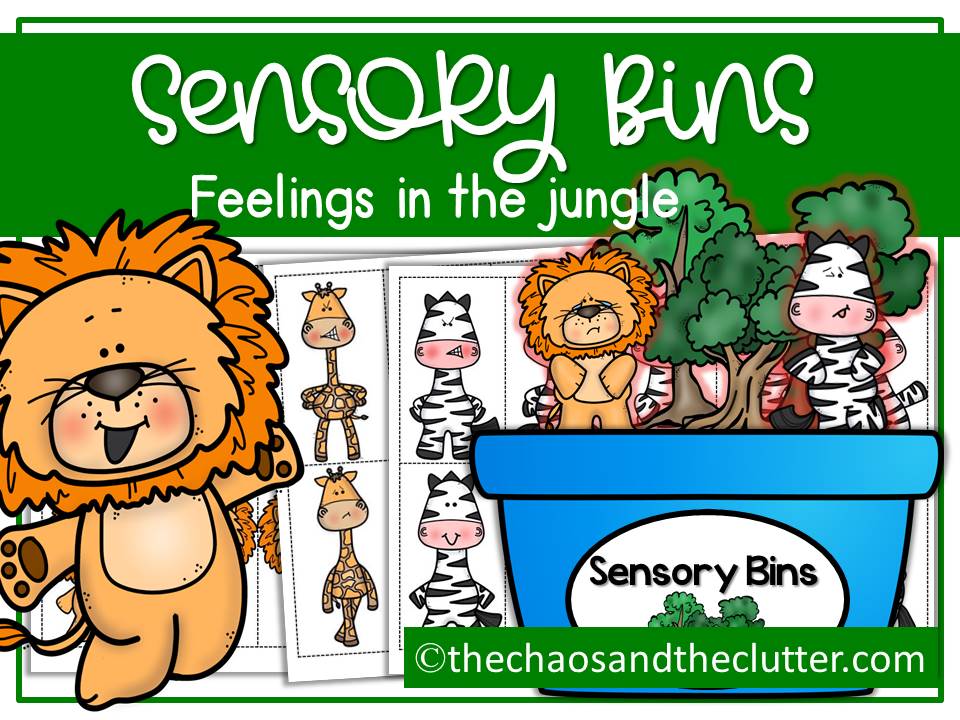
cartoon jungle animals such as a lion and zebra

Jungle Sensory Bin Variations

  • Use different filler materials, like Easter grass, Spanish moss, small rocks, sand, water beads, or colored rice
  • Add other jungle themed toys, like small trees, sticks, flowers, or leaves
  • Provide fine motor toys, like tweezers or scoops, to add to the jungle fun
  • Use the cards outside of the box by helping your child match the different animal’s emotions

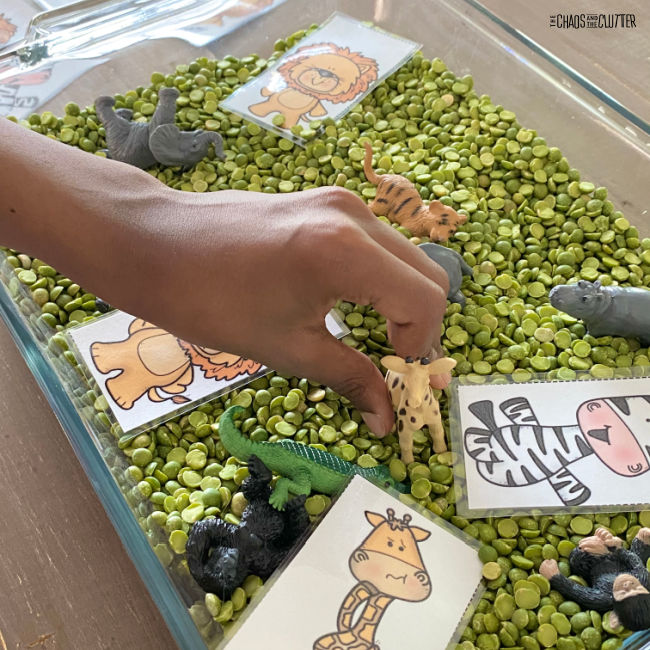
boy's hand plays with a toy animal in a bin of dry green lentils

Activities to Expand Your Jungle Sensory Bin Lesson

  • Read books about jungle animals or emotions
  • Identify your own emotions as they occur throughout the day
  • Discuss how different situations make you or your child feel as they’re happening
  • Draw or paint pictures of different jungle animals or emotions

cards of jungle animals in a bin of green split peas

Sign up with your email address to receive the free printable emotion matching cards.

You may also be interested in:

  • Teaching Emotions Toolkit
  • Unicorn Emotion Cards
  • Frog Emotion Cards
  • Emotions Scenarios
  • Draw & Write Emotions

Filed Under: Sensory, Sensory Bins Tagged With: sensory bin, sensory play

Pretend Cotton Candy for Sensory Play

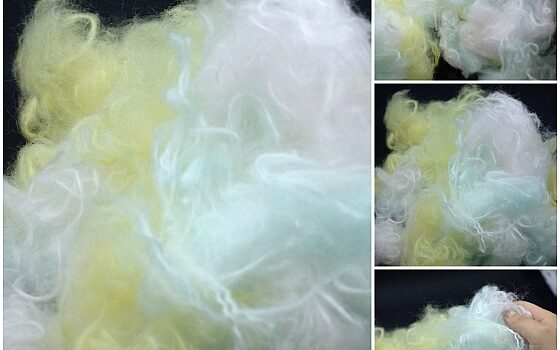
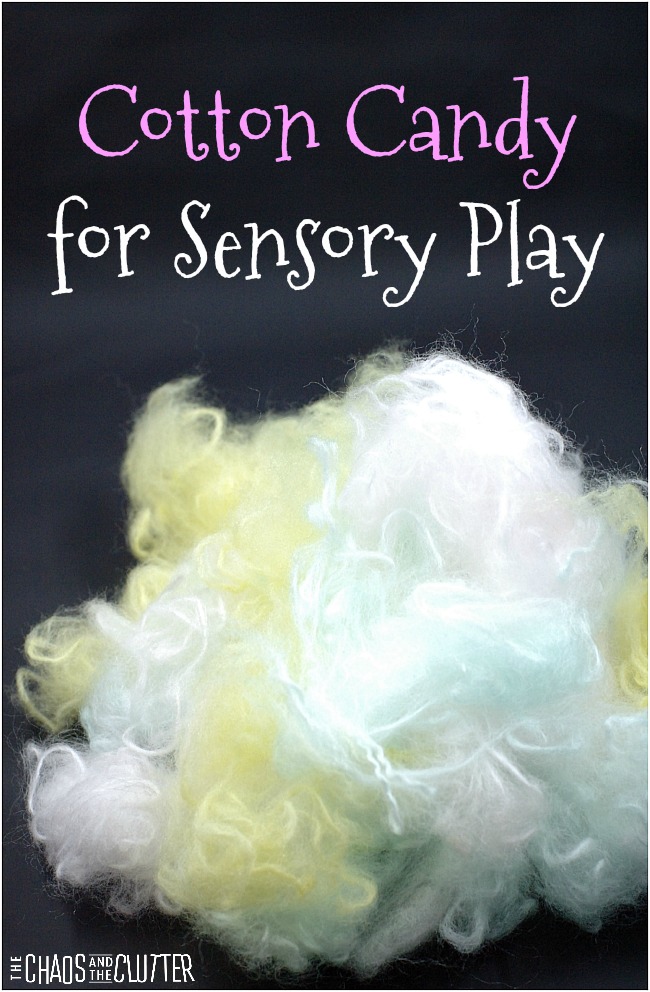
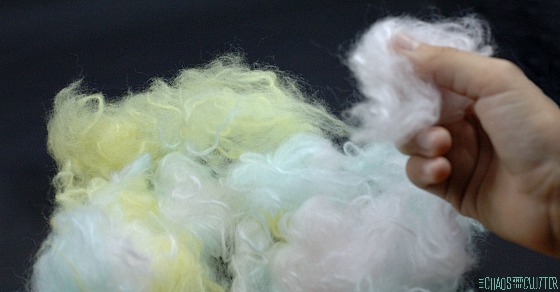
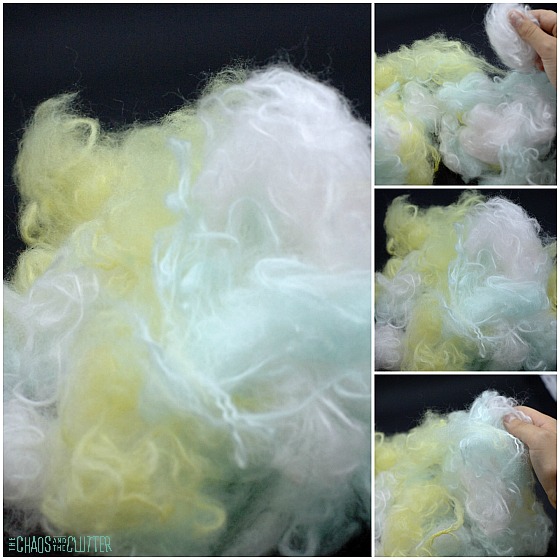
fluffy yarn in pastel colours

By Sharla Kostelyk

Pretend play meets sensory play with this DIY play cotton candy. It’s easy to make, so, so soft, and offers hours of fun. You only need two items to make this!

My girls discovered this a few years ago. Once they stumbled upon how to make it, they made it in multiple colours and it was perfect for all kinds of play opportunities.

fluffy yarn in pastel colours on a black backgroundHow to make fake cotton candy for sensory play:
Materials needed:

  • yarn in pastel colours
  • pet brush with wire bristles

Instructions:

  1. Comb out the yarn with the dog brush until it becomes fluffy and very soft.
  2. Play!

Yes, it’s really that simple.

Making it themselves is part of the fun, so be sure to allow your child the chance to comb the yarn themselves. Adult supervision is recommended for this and all other sensory play. The wire bristles are sharp so use your best judgment when it comes to your child’s age and skill level.

This fake cotton candy looks like the real thing. It is so soft. I wish you could reach through the screen and give it a feel. It has a silky feeling that kids love.

Cotton candy is sometimes also called fairy floss.

It’s perfect for using in sensory bins or pretend play. You could also include it in a play kitchen.This sensory cotton candy would be so cute in a carnival or circus themed sensory bin!

It would also make a unique party favour or cute decoration for a circus or carnival themed birthday or party. 

fluffy yarn in pastel colours

Pretend Cotton Candy Variations:

  • Use different colour combinations.
  • Wind some of the “fairy floss” around a paper straw to give it the look of cotton candy on a stick.
  • Place a ball of the cotton candy in a paper cone.
  • Make a large amount and attach it to clothing and a hat to create a cotton candy costume. 

Sign up for your free Sensory Play Recipes sample and receive our Sensory Solutions and Activities emails.

Check out some of our other sensory play ideas:

  • The Best Homemade Playdough
  • DIY Squishies
  • How to Dye Noodles for Sensory Play
  • Mermaid Stress Balls
  • Rainbow Soap Foam

Filed Under: Crafts and Activities, Sensory Tagged With: sensory play

Interoception – The Mystery of the 8th Sensory System

young boy meditating on a yoga mat in a park

By Sharla Kostelyk

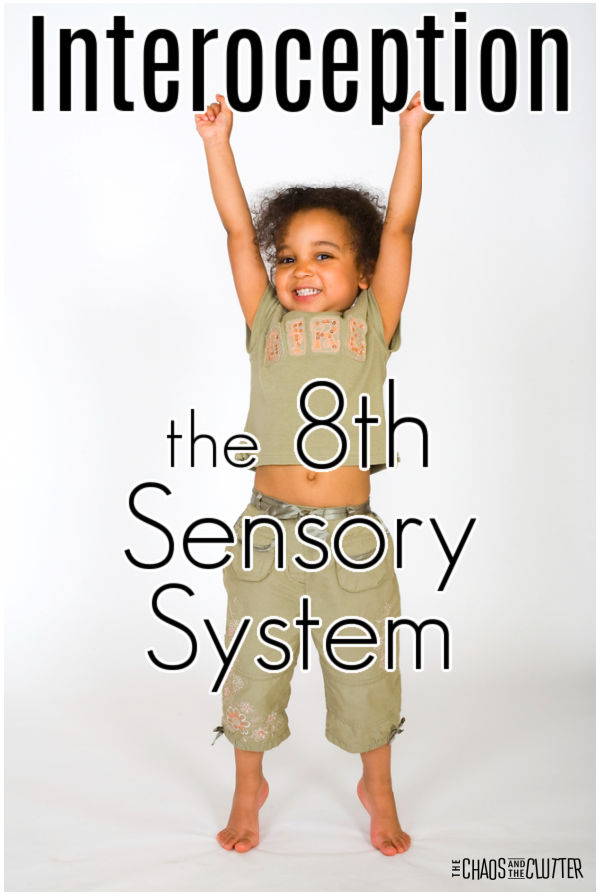
Have you heard of interoception? The 8th sensory system isn’t as well known as its 7 older brothers and sisters, but it’s equally important.little girl with hands raised over her head while she smilesSo what is interoception? While the other sensory systems are focused on the perception of external sensations, interoception is the perception of internal sensations. 
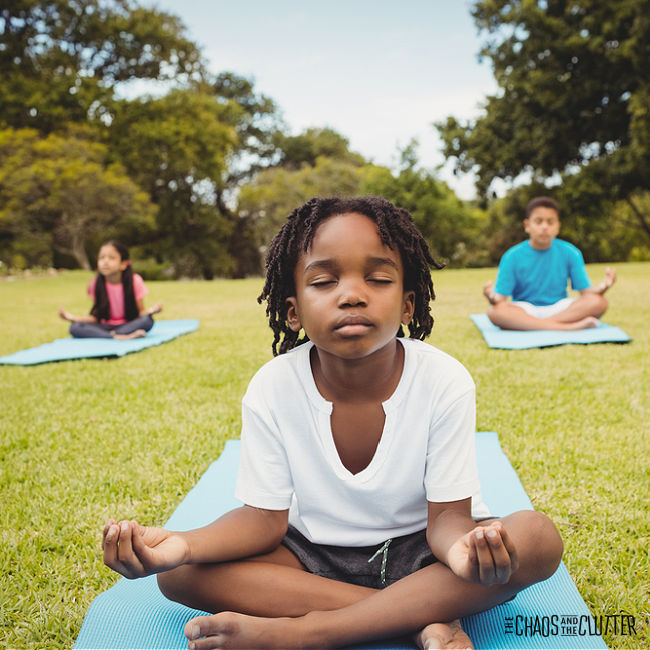
It is critically important for our kids because it helps them understand and feel what is going on inside their bodies. 

Interoception helps kids determine:

  • heart beating fast or slow
  • hungry or full
  • thirsty or quenched 
  • hot or cold
  • nauseated
  • itchy
  • ticklish
  • breathing regulation
  • emotion
  • symptoms of pain or illness

Kids who have interoception challenges may also struggle with self-regulation. Seemingly simple things such as getting a drink of water when thirsty or making it to the bathroom on time are not simple when feeling thirsty or knowing that your bladder is full are sensations that are poorly developed.

It can be more difficult for these kids to recognize their emotions. Many emotions present internal signals such as racing heart for fear or excitement. When these aren’t recognized, learning to recognize the associated emotion is affected as well.

When I first began to learn about the sensory systems and how they were impacting my kids who had sensory processing challenges, interoception wasn’t yet known.

At the time, it was hard enough for me to wrap my head around words like “vestibular” and “proprioception”!

Learning about interoception years later was the key to helping me better understand one of my sons.

The 8th Sensory System 

Our youngest son struggled with challenges that I didn’t recognize as being related to sensory because he wasn’t showing the typical sensory seeking or sensory avoiding behaviours. But he seemed to have a hard time recognizing hunger and thirst and he was hot when others were cold and cold when others were hot. 

His body temperature issues often led to difficult behaviours as he felt irritable when he felt hot, which was most of the time. He often went outside in our Canadian winters without a coat or gloves on. 

His pain tolerance seemed to be off the charts. In fact, he has such a high threshold for pain that he was still playing basketball the day before his appendix almost burst.

These little quirks were quite the mystery.

I have since learned more about interoception and have a better understanding of how it affects him. I have also learned that with interoception, there can also be signs of sensory seeking or sensory avoiding, but they may be more difficult to discern than with the other sensory systems.

One way of thinking about interoception that helped me to better grasp of it is thinking of it as our body’s warning system. There are certain body sensations that lead us to discomfort, danger, or alert us to our body’s needs.

Listening to those signals allows us to rectify the issue (such as drinking when thirsty) leading to self-regulation. When a child (or adult) can’t recognize or identify those signals or is getting the wrong signals, it can cause frustration, stress, and lead to physical repercussions.

Signs your child may struggle with interoception:

  • eating or drinking too little or too much
  • rapid or shallow breathing
  • bedwetting
  • toileting accidents during the day 
  • frequent bathroom visits
  • delayed potty training
  • incontinence or constipation
  • trouble explaining illness or their symptoms such as nausea, headache, fever, chills, stomach aches, muscle aches
  • unusual response to pain (pain tolerance that seems too high or too low)
  • not noticing injuries
  • reporting pain or discomfort often
  • difficulty processing stress or emotions
  • issues with self-regulation
  • difficulty regulating emotions
  • having “big emotions”

There is still much to be learned about interoception and research is ongoing. Early indications show that mindfulness, heavy work, and a sensory diet may be effective ways to treat issues with this sensory system.

How to Improve Interoception Awareness for Kids:

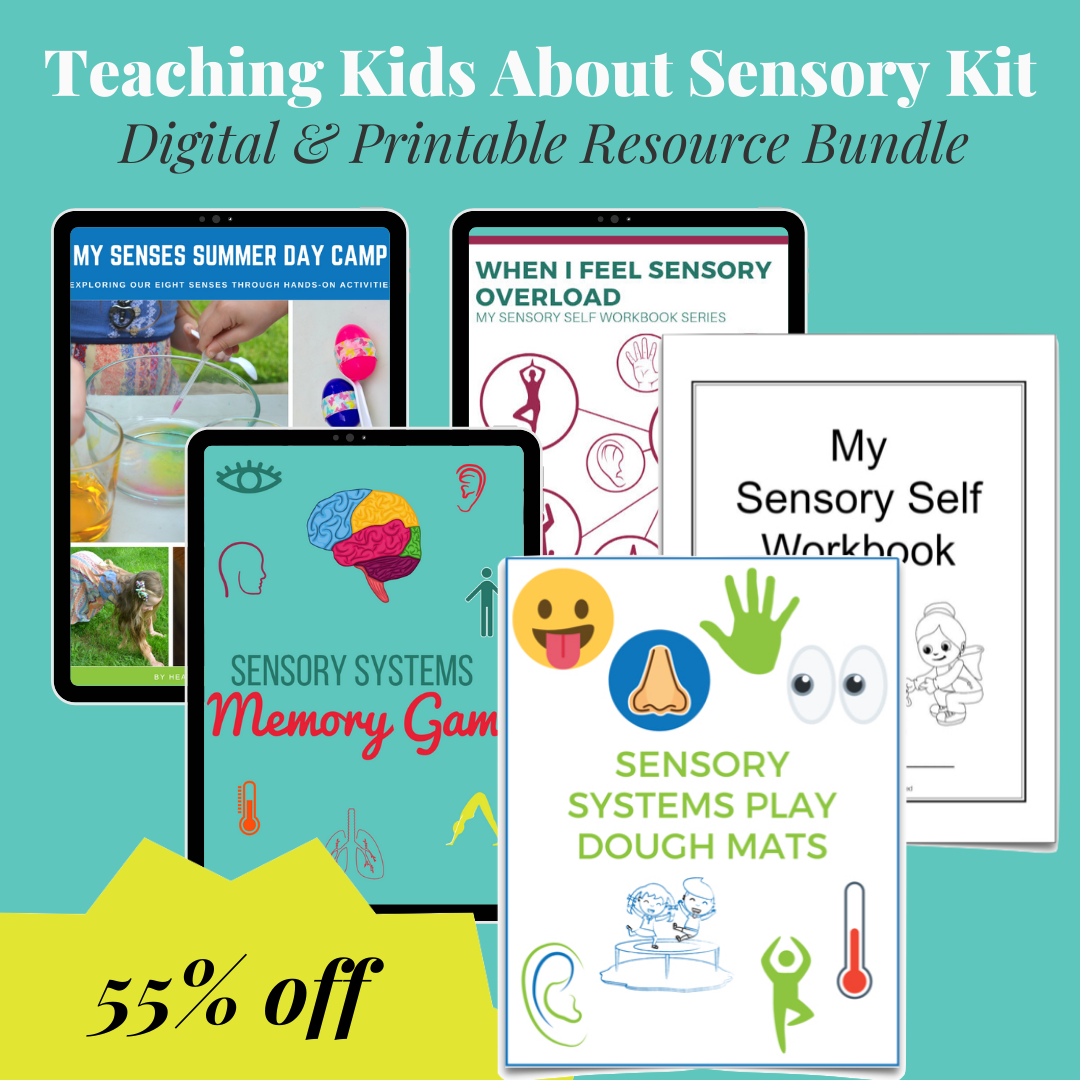
  1. Teach kids about their sensory systems, their sensory preferences, and their sensory needs. A great way to do this is with the Teaching Kids About Sensory Starter Kit, specifically the My Sensory Self Workbook and the When I Feel Sensory Overload Workbook. Both of those really help students to get in touch with their own sensory needs.
  2. Model talking about how you are feeling in terms of your internal body signals. “My bladder (point to where this is in your lower stomach area) feels full which means I need to pee. I had better go to the bathroom.” or “That grumble and the empty feeling in my stomach means that I’m hungry and should eat.”
  3. Ask probing questions to help your child focus in on the sensations in their own body. 
  4. Help improve their emotional vocabulary and awareness of their own emotions. You can do this with resources such as the Teaching Emotions Toolkit or with emotions activities.
  5. Incorporate heavy work into their day. Every day.
  6. Work on mindfulness. 
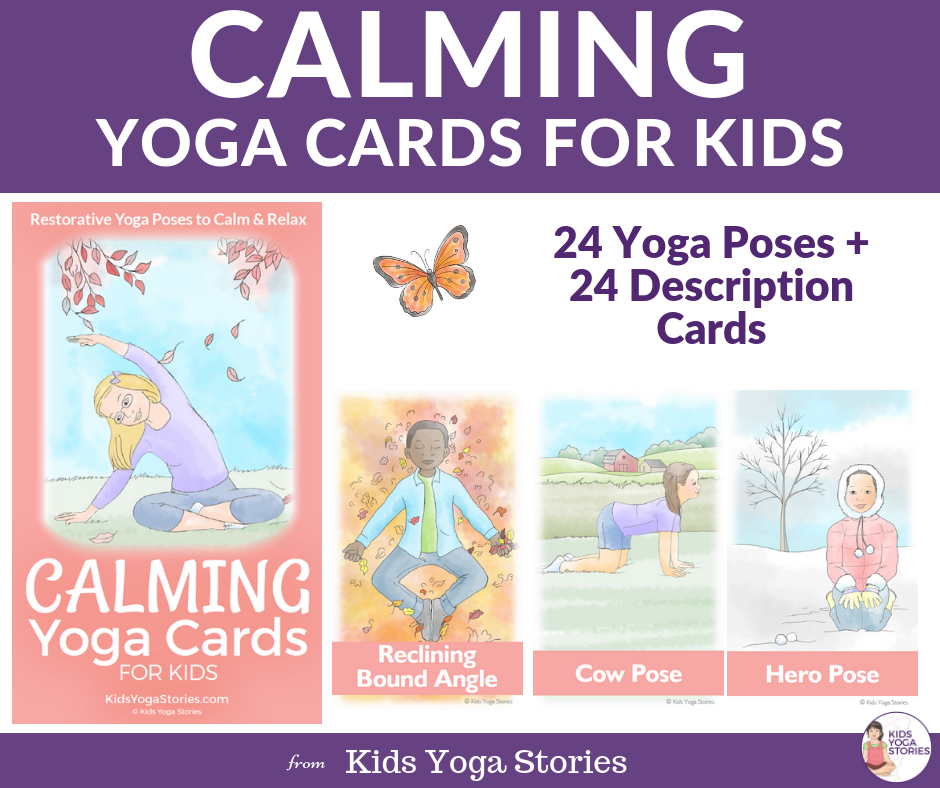
  7. Yoga is a way for kids to get in touch with the sensations in their bodies. Kids Yoga Stories is a great place to find resources for this or you can check out Cosmic Kids Yoga on YouTube. 

Interoception Resources:

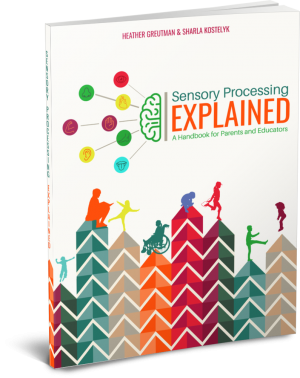
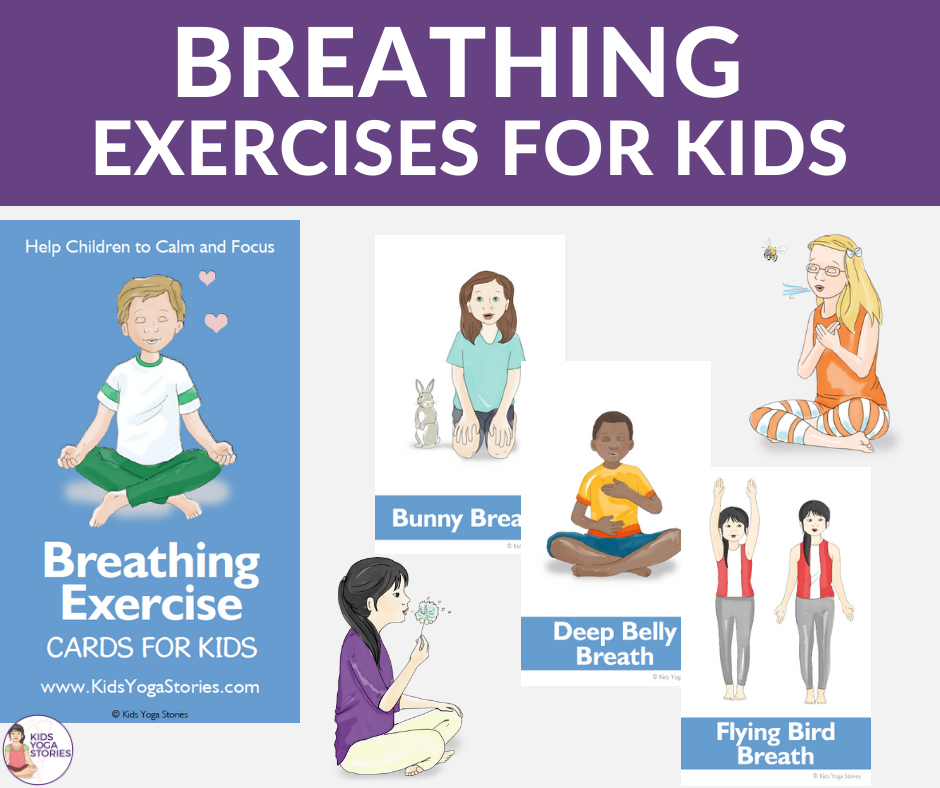
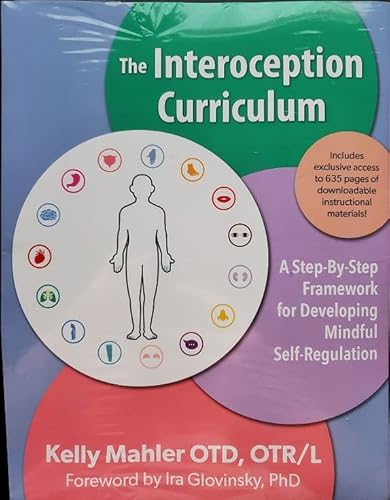
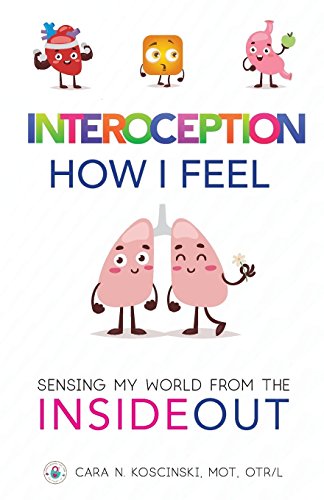
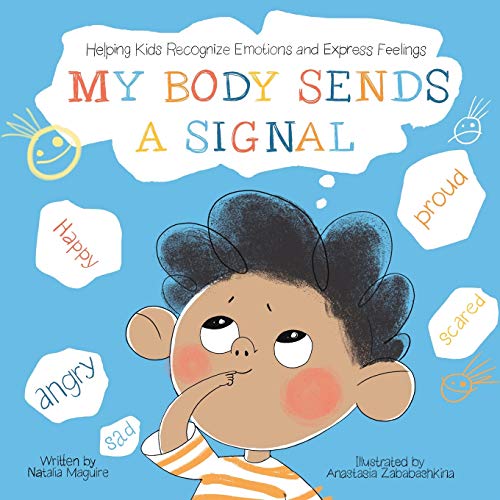
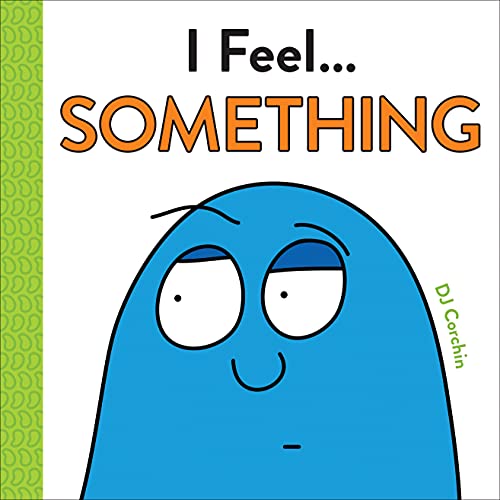
Sensory Processed ExplainedSensory Processed ExplainedSensory Processed ExplainedTeaching Kids About Sensory KitTeaching Kids About Sensory KitTeaching Kids About Sensory KitBreathing Exercises Cards for KidsBreathing Exercises Cards for KidsBreathing Exercises Cards for KidsYoga Cards for KidsYoga Cards for KidsYoga Cards for KidsThe Interoception Curriculum: A Step-by-Step Guide to Developing Mindful Self-RegulationThe Interoception Curriculum: A Step-by-Step Guide to Developing Mindful Self-RegulationThe Interoception Curriculum: A Step-by-Step Guide to Developing Mindful Self-RegulationInteroception: How I Feel: Sensing My World from the Inside OutInteroception: How I Feel: Sensing My World from the Inside OutInteroception: How I Feel: Sensing My World from the Inside OutMy Body Sends a Signal: Helping Kids Recognize Emotions and Express FeelingsMy Body Sends a Signal: Helping Kids Recognize Emotions and Express FeelingsMy Body Sends a Signal: Helping Kids Recognize Emotions and Express FeelingsI Feel... Something: Listening to Your Body for Kids (Social Skills for Kids, Interoception for Kids, Social Emotional Learning)I Feel… Something: Listening to Your Body for Kids (Social Skills for Kids, Interoception for Kids, Social Emotional Learning)I Feel... Something: Listening to Your Body for Kids (Social Skills for Kids, Interoception for Kids, Social Emotional Learning)


10 Interoception Activities and Strategies for Kids

I know that if you’re just hearing about this sensory system for the first time, it can feel overwhelming. But it may also feel hopeful once you realize that there may be an explanation for why your child is behaving a certain way or having certain reactions. 

When we can better understand our kids, we can better help them. 

Some other articles that can help you better understand sensory processing:

  • Does my Child have Sensory Processing Disorder?
  • Recognizing the Signs of Sensory Overload
  • Sensory Processing Explained
  • Is My Child Having a Sensory Meltdown?
  • How do Sensory Systems Affect Behaviour?

Filed Under: Sensory, Special Needs Parenting

  • « Go to Previous Page
  • Page 1
  • Page 2
  • Page 3
  • Page 4
  • Page 5
  • Page 6
  • Interim pages omitted …
  • Page 50
  • Go to Next Page »

Primary Sidebar

Categories

We are a participant in the Amazon Services LLC Associates Program, an affiliate advertising program designed to provide a means for us to earn fees by linking to Amazon.com and affiliated sites.

Copyright © 2026 • The Chaos and the Clutter • Site Design by Jeni @ The Blog Maven

Return to top of page

Copyright © 2026 · Chaos and the Clutter 2.0 on Genesis Framework · WordPress · Log in