• Skip to primary navigation
  • Skip to main content
  • Skip to primary sidebar
  • Home
  • About
  • Contact
  • Privacy + Terms
  • Affiliates

The Chaos and the Clutter

  • Facebook
  • Twitter
  • Pinterest
  • Google Plus
  • RSS
  • Email
  • School at Home
  • Sensory
    • Sensory Processing Disorder
    • Awesome Sensory Play Activities
      • Sensory Bins
      • Sensory Bottles
      • Sensory Bags
  • Family Games
    • Minute to Win It Games
  • Special Needs Parenting
    • Childhood Anxiety
    • Reactive Attachment Disorder
    • Sensory Processing Disorder
  • Store
  • Course Login

Sensory

Calming Lavender Sensory Bin

Calming Lavender Sensory Bin

By Sharla Kostelyk

I have been wanting to make a lavender sensory bin for the kids for awhile now. Dancing Queen struggles with anxiety and we do as much as we can to help her regulate her anxiety. She loves the lavender playdough I make. It really does seem to have a calming effect on her. I reasoned that since sensory bins already help my kids with their regulation, a lavender one may have even more of a calming effect which would be good for all of them but especially for Dancing Queen.
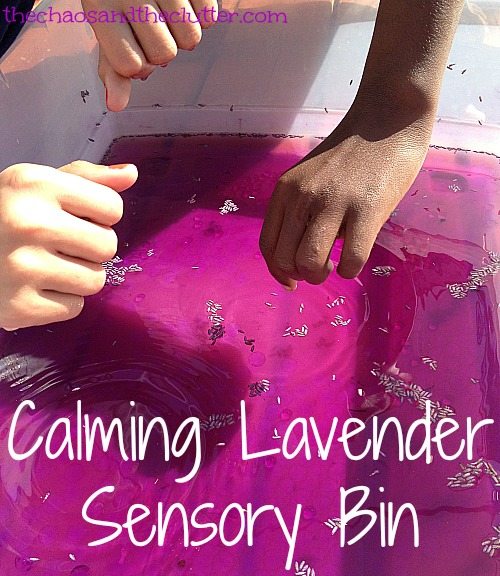
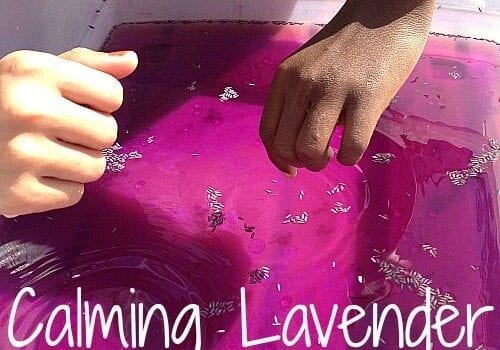
Calming Lavender Sensory BinFor this sensory bin, I used a large shallow tub so that I could put the bin on the deck. I used purple gems and added real lavender and purple water beads. I used a pitcher to add water and it took on a light purple colour because of the water beads.
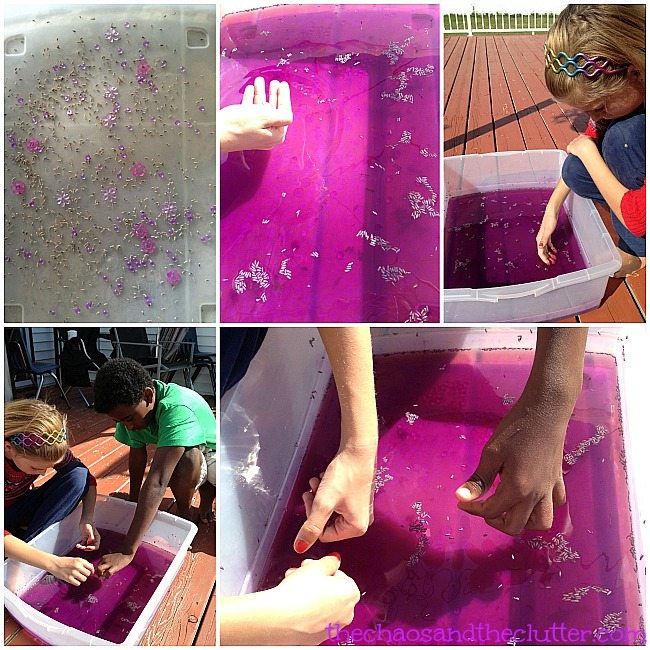
Lavender Sensory BinThe smell of the lavender was really nice. Once the water was added, the scent was considerably stronger but not overpowering. The plastic gems made a good contrast for the texture of the water beads.

In place of the dry lavender, you can use a few drops of lavender essential oil.

The kids enjoyed playing with this lavender sensory bin outside. It held their attention for long periods of time this week. With the water, various textures and smell of the lavender, it really did seem to have a calming effect on them.

One of the nice things about being back into our regular homeschool routine is having a weekly sensory bin. It forces me to come up with new ideas and even though I keep thinking that I will run out of ideas after so many years of making sensory bins, I haven’t run out yet! The kids like experiencing the new bins and look forward to seeing what each week’s theme is going to be.

Join our free 5 part email series Sensory Solutions and Activities and get our Sensory System Behaviours Easy Reference Cards.

If you are looking for information on making sensory bins,you may be interested in my book. The Ultimate Guide to Sensory Bins
Filed Under: Sensory, Sensory Bins Tagged With: sensory bin, sensory play

How to Host a Sensory Bin Swap

By Sharla Kostelyk

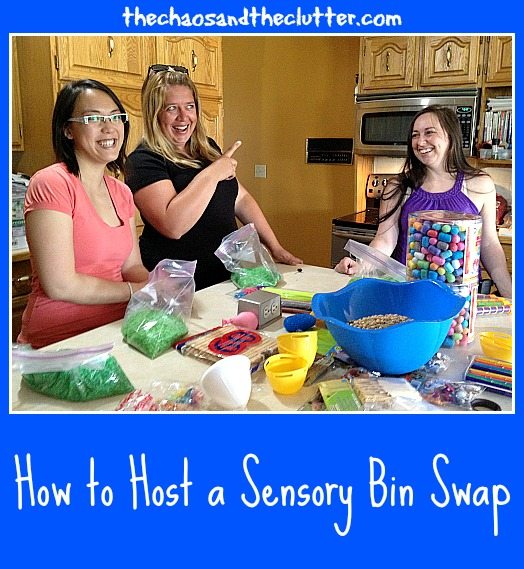
Earlier this week, I had a few friends over for a busy bag and sensory bin swap. I wasn’t as organized as I wanted to be but it still took us no time at all to put together our bins and each of us ended up with four different sensory bins. I would call it a success!

How to Host a Sensory Bin SwapDoing a sensory bin exchange is a great way to get new ideas too and share what works well with your kids and learn what is working well for others.

There are several different ways that a sensory bin swap can work but all are great ways to keep the costs down and get some new ideas.

Here are a few ways a sensory bin swap can work:

1. A group of moms can each make one sensory bin and then once a week or once a month, they can rotate their bin over to the next mom. If you have a group of six moms participating, this will mean that your kids will get to play with six different sensory bins and you’ll only have to make one!

2. A group of moms can each make one theme bin but duplicate it as many times as there are people in the group. The moms then get together and give out their bins. Each mom will go home with as many bins as there are people in the group. It’s fun to add a dinner out or at least tea when getting together as a reward for all your work assembling the bins!

3. A group of moms can work together to create all the bins or bin bases. You will make one of each type for everyone in the group so the amount of sensory bins you go home with at the end will depend on how many you all have planned.

Of course, you can also do an informal swap with just one other mom and rotate your bins out that way. There will be less variety in doing it that way.

How to plan for a sensory bin swap:

  1. Find friends who want to join you and decide which type of swap you want to do. Don’t know any moms in your area who make sensory bins? Ask in your online groups or ask other moms you know to help you spread the word that you are looking to organize a swap. You will likely have a lot of interest.
  2. Decide upon the sensory bins that you want to make so that you are sure there won’t be duplicates.
  3. Buy supplies.
  4. Make your sensory bin(s).
  5. Get together to exchange bins.

Supplies needed:

You will need large resealable bags or stackable bins with lids to store the sensory bins in.


You will also need sensory bin bases. There are so many options for sensory bin bases. I have a list of non-food sensory bin bases that you can read for ideas or you can use one of the common food bases such as rice or dried beans.

Sensory Bins Ideas:

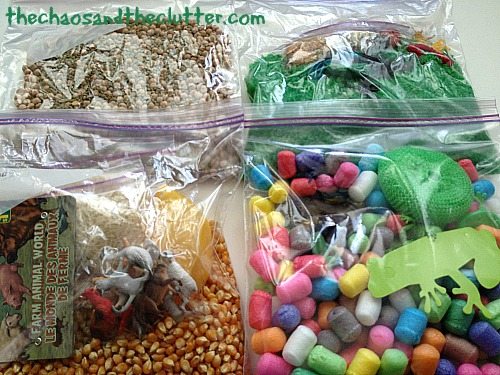
bags for sensory bin swapAt our sensory bin exchange, we each ended up with the makings of four bins.
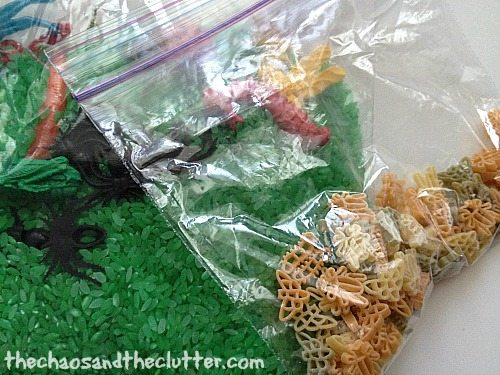
For the bug sensory bin, we used rice that I had dyed green. I provided peppermint oil to scent the rice but didn’t do it ahead of time because some kids don’t like certain scents and I wanted to let everyone make a choice for their family. For those who wanted the scent, I added a few drops of the peppermint oil to the bag and once shaken, we had peppermint scented rice.

I had gotten a pack of stretchy spiders and a pack of stretchy caterpillars so we divided those up among the bags. I had also found some bug shaped pasta at Bulk Barn and we put that into small bags to add as well. I also had some plastic spiders and we threw some of those in as well. I had some toy insects that I put into my bag.

bug sensory bin in a bag

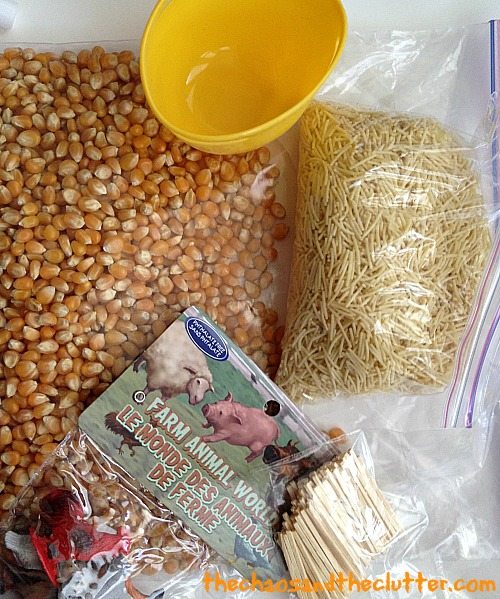
For the farm sensory bin, we used popcorn seeds as the base and added a smaller bag of dry soup noodles for the hay. I found silicone yellow egg poachers in sets of two at the dollar store that I thought would work really well in a farm bin.  I also found little sticks called matchsticks and knew they would be great for making fences in this farm bin. I included a little pack of farm animals for everyone.

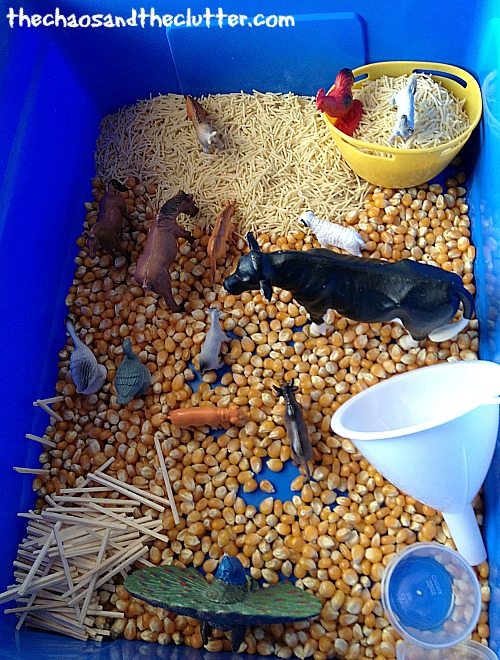
farm sensory bin in a bagThe kids and I made our farm bag into a bin later in the day. I added a few of our toy animals and the bin was ready for play. I also added a funnel and a small container and lid for pouring and scooping. Granola Girl liked scooping the popcorn seeds into the container, putting the lid on and shaking it to hear the sound it made.
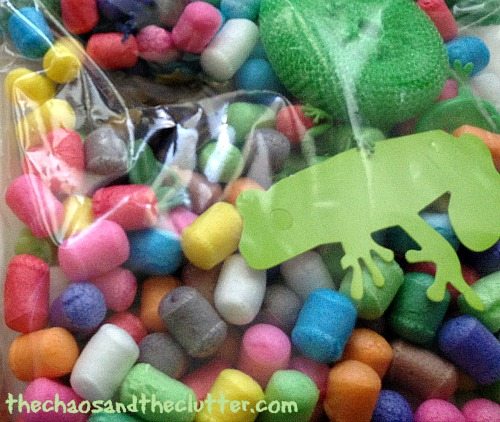
farm theme sensory binThis sensory bin wasn’t originally a frog bin, but I had bought a pack of jump frogs and a pack of kitchen sponges from the dollar store and when I commented that the sponges would make good lily pads, a frog bin was born! We included play puffs (I bought two pails of them at the dollar store and we each took half a pail), a kitchen sponge, a frog stencil, plastic jump frogs, stretchy frogs, and toy frogs that I had in the house already. Once my kids have used this bin, I can re-use the play puffs for crafts.
frog sensory bin in a bag

For hundreds of sensory bin ideas, you can also follow my Sensory Bins board on Pinterest. Follow Sharla Kostelyk’s board Sensory Bins on Pinterest.

How a sensory bin swap saves money:

Hosting a sensory bin swap enables you to buy things in larger packages and share the cost. This can be as simple as splitting a set of funnels that you pick up at the dollar store or can be a larger item such as splitting the cost of a huge bag of kidfetti.

I shopped for our sensory bin items at the dollar store and at Bulk Barn. Not including the cost of the bags or bins, each of the sensory bins averaged $2.50. We each paid $10 and ended up with four sensory bins and a few other odds and ends like a homemade sensory ball. Had I made just one of each bin, some of the costs (like buying a pack of stretchy caterpillars just to use a few) would have stayed the same so the cost of my bins would have been much higher.

This post is part of a 5 day series on Simple Sensory Solutions as part of a Hopscotch with iHomeschool Network. Pop over and see the other great topics from an amazing group of writers!

If you are looking for information on making sensory bins, you may be interested in my book. The Ultimate Guide to Sensory Bins

Filed Under: Sensory, Sensory Bins, Simple Sensory Solutions Tagged With: sensory bin

Ideas for Creative Sensory Play

By Sharla Kostelyk

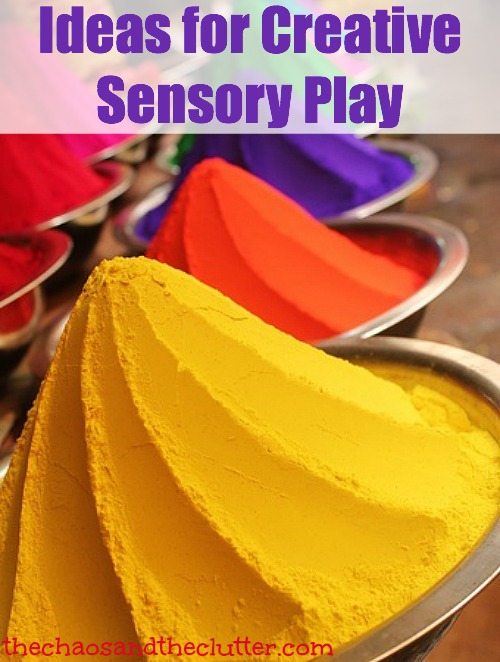
I’ve had a request to share some sensory play activities for each of the sensory needs. Tactile sensory play ideas are abundant (though I will provide some of those as well), but it can be more difficult to come up with ideas for the other types of sensory input.

Ideas for Creative Sensory Play for all sensory inputs

Sensory Processing Disorder (SPD) is a complicated thing. Those with SPD can have sensory differences in one or all of the areas. They can be either sensory seeking or sensory avoidant. To complicate things further, they can be avoidant in one area and seeking in another. The general areas of sensory input that are talked about in relation to SPD are tactile, vestibular, proprioception, auditory, visual, and olfactory.

Simple sensory input definitions:

  • tactile=touch
  • vestibular=movement and balance
  • proprioception=sensing where we are in space (think body awareness)
  • auditory=sound
  • visual=sight
  • olfactory=smell

Tactile Sensory Activities

Texture Cards

Sensory Bins

Shaving Cream Painting

Montessori Inspired Colour Activities

Watermelon Slime

Sensory Balls (Squeeze Balls)

Tactile Sensory Play Ideas

Sensory Bags

Frozen Treasure Find

Vestibular Sensory Activities

Vestibular Sensory Ideas

Tennis Ball Movement Activities

Rope Swing

Tunnel Play

Water Activities

Upside Down Ice Pass

Beach Ball Spin and Toss

Bounce, Spin and Flip

Easy Kids Obstacle Course Ideas

Backyard Obstacle Course

Proprioception Sensory Activities

Trampoline Games

Jumping Beans Game

Playdough and Rocks

Playdough Sensory Input

Stuck in the Mud

Juggling Bags

Jumping Lines

Gross Motor Sensory Play

Driveway Scooter Maze

Laundry Push

Sensory Play in Nature

Auditory Sensory Activities

Rainstick

Sound Cards

Musical Instrument Crafts

Sound Shakers

Sound Cylinders

Sound Table with Sand Sticks

Science of Sound

Sound Walk

World Music Activities

Playful Ways to Work on Listening

Visual Sensory Activities

Lego Calm Down Jar

I Spy Mats

I Spy Jars

I Spy Sensory Bin

Discovery Bottles

Picnic Printable for Sensory Play

Visual Stimuli in the Classroom (or home)

Shadow Puppets

Olfactory Sensory Activities

Coffee Sensory Bin

Scented Foaming Paint

Smelling Bottles

Lemon Scented Rice

Scented Sensory Activities

Scented Cloud Dough

Teaching Sighted Children About Blindness

Scented Ice Lab

Gingerbread Sensory Station

Many of the activities listed above can of course fit into several different categories. It is wonderful to give your kids the chance to try activities for all sensory inputs. This will benefit both sensory seekers and sensory avoiders.

If you are looking for more sensory activities or for play suggestions, join now to receive the free 5 part email series Sensory Solutions and Activities and get your Sensory System Behaviours Easy Reference Cards.

Filed Under: Sensory, Simple Sensory Solutions

Printable Playdough Mats

Free Printable Playdough Mats

By Sharla Kostelyk

Playdough is an excellent sensory activity. It gives tactile feedback, can help soothe, and often includes senses other than touch such as scent (olfactory). There are many ways to expand playdough play.

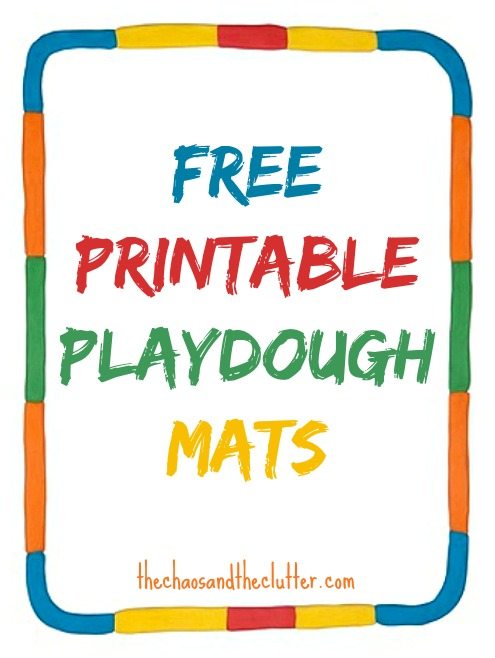
Creating playdough mats using these free printables is a very easy way to make a playdough station. Many of the mats incorporate learning concepts and for most children, they can be done independently.

Free Printable Playdough MatsThese playdough mats are all free to print. The easiest way to create a playdough sensory station with these is to either laminate them once they are printed or insert each page into a plastic sleeve*. They are then ready for endless hours of play!
*Organizational tip: If you put the printables into plastic sleeves that have holes in them, you can keep all of your playdough mats in a binder for easy access.

Print off these adorable Transportation Alphabet Playdough Mats to help kids learn or reinforce their ABCs and the letter sounds. There are so many ways to expand on the fun and learning with this activity.

Get your printable alphabet playdough mats by entering your email address below. You’ll also be signed up to receive our free email series Sensory Activities and Solutions.

Use our Birthday Themed Emotions Playdough Mats or our Pirate Themed Emotions Playdough Mats to help kids explore their feelings.

People Playdough Mats from Picklebums

Printable People Playdough MatsI love this idea as you can include other sensory items like different textured fabric, googly eyes, pipe cleaners, button, and beads. I also like that these could be used to help teach emotions and facial expressions. If I had to choose a favourite, this would be it!

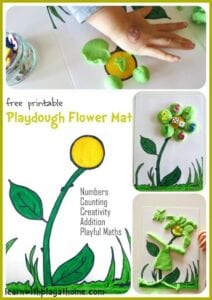
Playdough Flower Mat from Learn with Play at Home

Playdough Flower Mat. Free Printable. Playful MathsThis mat offers all kinds of learning opportunities and hands-on play. Depending on their age and skill level, kids can play with it differently.

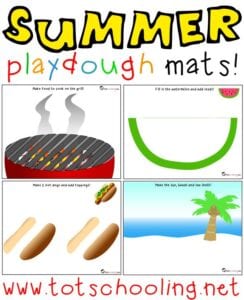
Summer Playdough Mats from Totschooling

summer playdough mats printableThis set could be used in the summer or in the middle of winter when we start dreaming of summer and wishing for it to arrive!

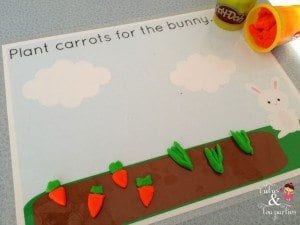
DIY Playdough Mats from Tutus and Tea Parties

Garden Playdough MatThis set is so cute. I like that it really allows for the kids to use their imaginations!

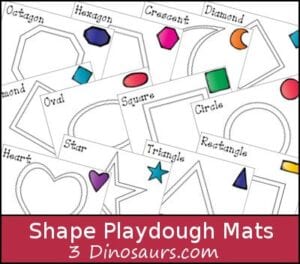
Shape Playdough Mats from 3 Dinosaurs

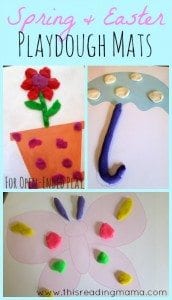
shape playdough matsSpring and Easter Playdough Mats from This Reading Mama

Spring and Easter printable playdough matsI like the open-endedness of these.

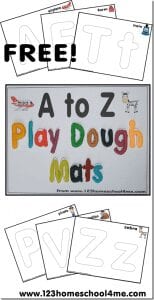
Alphabet Playdough Mats from 123 Homeschool 4 Me

printable alphabet playdough matsGreat for preschool and reinforcing pre-reading concepts.

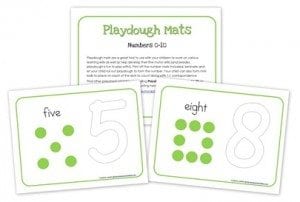
Number Playdough Mats from Homeschool Creations

Number Playdough Mats printable

Old MacDonald Farm Animal Playdough Mats from Making Learning Fun

And a bonus activity from No Time for Flash Cards…Playdough Hairdo Mats that you create yourself with photos of your family!

playdough family hairdo

There are many playdough recipes out there and some are very easy no-cook recipes, but I have still found that the best one out there is our tried and true classic playdough recipe. We change it up a bit by making chocolate playdough or calming lavender playdough but the basic recipe is the same.

Whatever playdough you decide to use, creating a playdough sensory station using these mats is easy and costs next to nothing.

Join me for a free 5 part email series Sensory Solutions and Activities and get your Birthday Emotions Playdough Mats. 

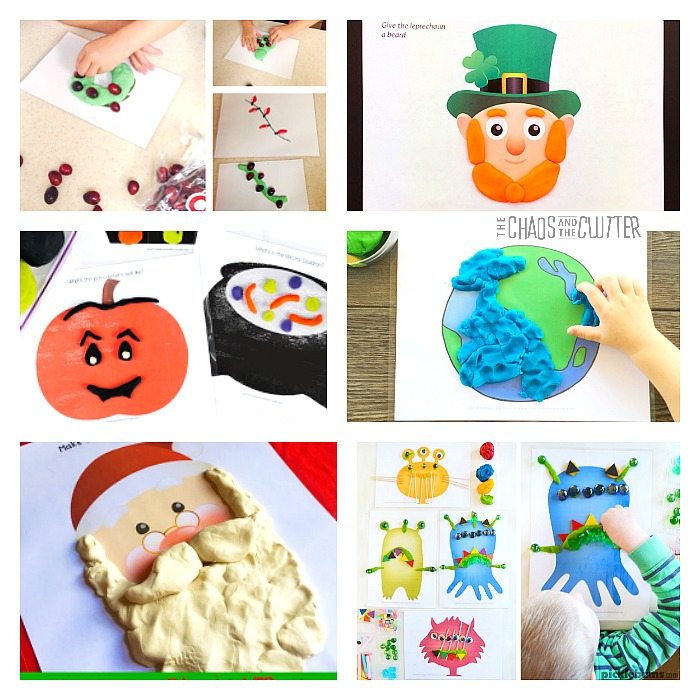
Here are more printable playdough mats for sensory play including ones for holidays like Christmas.

Filed Under: Sensory, Simple Sensory Solutions Tagged With: sensory play

Sensory Stations

By Sharla Kostelyk

Setting up sensory stations is a way to allow children to easily meet their sensory needs whether it’s in your home or the classroom. We homeschool and for a few years now have used a few unofficial sensory stations in our classroom but I have recently begun to create official sensory stations and a chart to let the kids know what the stations are.

Sensory Station Ideas for the home or classroom

Disclaimer: I am in no way responsible for any injury that occurs in the course of any of these suggestions. I am simply a parent of many children who have sensory processing disorder and am sharing our experiences with you.

There are many ways that you can provide kids access to these stations. You can have them rotate through the stations in between other activities, have them rotate through the stations at a set time, or you can simply provide the stations and let the kids know what they are and that they are welcome to use them when they need to.

You can choose to have the station set up like a circuit and have them numbered or ordered in a very organized way or you can have them be more of a fluid concept. I would suggest that if you have children with autism or children who just need more structure, you have some type of chart or way for them to keep track of the stations if you don’t have them laid out in a circuit.

When the weather is nice, we are able to incorporate some outdoor stations into our rotation which makes things even easier and often the fresh air and change of pace help the kids almost as much as the actual activity.

Our current sensory stations are:

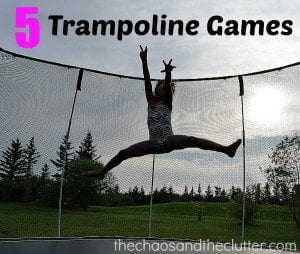
-the trampoline – They can choose just to jump or can play some trampoline games.

5 Trampoline Games (plus 5 bonus activities)

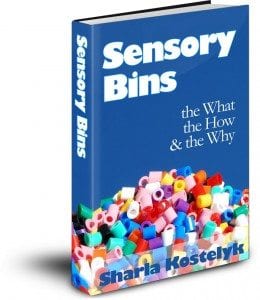
-sensory bin – I make a new sensory bin every week and the kids love playing in them. If you are looking for ideas, I have dozens of examples of our sensory bins in the sensory bins category (click that link to take you there) or if you are new to making sensory bins, you may want to consider purchasing my Sensory Bins ebook.

Sensory Bins ebook

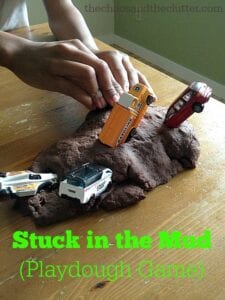
-playdough – Right now, the playdough station we have set up is what we call Stuck in the Mud, but the playdough station changes throughout the year such as having a Gingerbread playdough station set up in December. Your playdough station doesn’t need to be elaborate. Include playdough and playdough mats or some simple toys or kitchen gadgets.

Stuck in the Mud Playdough Game

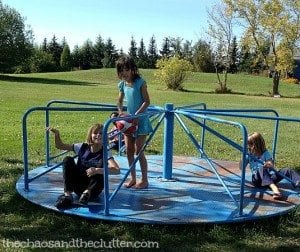
-merry-go-round – I know that most people don’t have a merry-go-round set up in their backyard, but we happen to. My dad found one at an auction a few years ago and had it put in for us. The reason I share this station though is because it is great for meeting vestibular sensory needs. There are other things you could do to create a vestibular (think spinning or balance and movement) sensory station. A climbing wall, jungle gym for monkey bars or swinging, indoor swing, a tunnel for crawling through, or a spinning chair would all be excellent vestibular sensory stations.

backyard merry go round

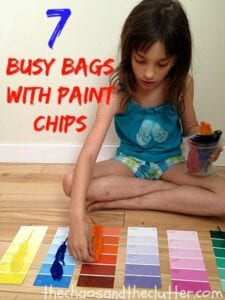
-busy bags – We use busy bags for a variety of things but many of the ones that I make are very sensory rich, so they work well as a sensory station.

7 Busy Bags with Paint Chips

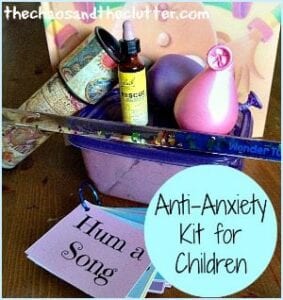
–anti-anxiety kit – This includes sensory balls, lavender playdough, a kaleidoscope, mini massager, and more.

Create an Anti-Anxiety Kit for Your Child including free printable relaxation prompts

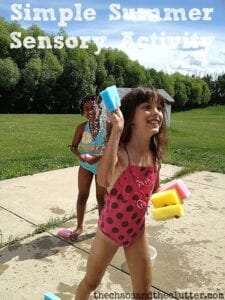
-sponges and water – This is an example of a one time activity that the kids enjoyed so much, I turned it into a regular sensory station.

Simple Summer Sensory Activity

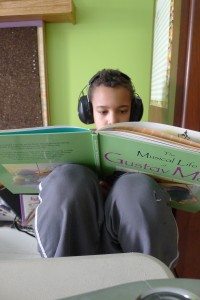
-auditory station – We always have this station set up in our classroom. It consists of a pair of headphones and a CD player. I put out different audio books and music each week.

auditory station

-bean bag chair – We have a large bean bag chair set up in our homeschool classroom and the kids love it for downtime. They can go there to read, snuggle with me, or just to relax.

bean bag chair

We do have some other stations such as a bin full of instruments, a playground, sandbox, and tunnel that I sometimes throw into the mix. Other times, I create an entirely new sensory activity that is really popular with the kids so I turn it into a sensory station.

Sensory Station Ideas:

–water or sand table

–water wall

–sensory bins

-tunnel

–climbing wall

-ball pit (this can be made easily by filling a kiddie pool with balls or pieces of cut up pool noodles)

-jungle gym

-swing (indoor or outdoor)

-spinning chair

–mats for summersaults, rolling, wrestling, flips

–shaving cream painting, fingerpainting, condensed milk painting, freezie painting, ice painting, puffy paint, face paint

-crab walk, crawl

-frog jump, bunny hop, jumping jacks

–light table

-jello, goop, gak, silly putty, slime (those links will take you to recipes to make your own)

-sensory tot trays

-heavy work like carrying books, a laundry basket push, pulling a wagon filled with rocks, carrying pails of water

-hanging area such as a chin up bar or monkey bars

-large hopping ball or exercise ball

-couch cushions or blankets for rolling up in or sandwiching between

-body socks or body tubes

-ice activities like this one or this one

-square or circle made with masking tape on the floor for jumping on one foot or doing lazy 8s

-drums, shakers, or other instruments

-instruments for creating a marching parade

-dancing station with music and a large area to move in

-pouring and scooping

-pots and pans and spoons (for stirring or banging)

-bean bag chair

-rocking chair

-bike riding

-bubble wrap

-salt tray

–texture cards

-scent bottles

-auditory station (headphones and CD player for music or audio books)

–sound therapy machine

-bin with soapy water for washing play dishes (or real dishes), cars or toys

-dress up station

-cooking station for older kids, particularly recipes that create dough that requires kneading or a lot of mixing

The great thing about being able to create your own sensory stations is that you can customize them to meet the sensory needs of your kids or students. You can also change them to fit weather or seasonal needs. Changing them from time to time also helps keep children interested and engaged. What sensory stations have you tried out?

Join me for a free 5 part email series Sensory Solutions and Activities and get your Sensory System Behaviours Easy Reference Cards.

Filed Under: Sensory, Simple Sensory Solutions, Special Needs Parenting

Seaside Sensory Bin

By Sharla Kostelyk

I find that coming up with sensory bins in the summer is so much easier than in the winter. Not only are themes somehow easier to think of, there are not as many limits because clean up is so much simpler. If it’s a bin that is going to potentially become a huge mess, I can set it up on the deck or in the lawn and the mess is no longer a consideration. This seaside sensory bin wasn’t that messy, but it still floated between outside and inside as the kids took it where they wanted it.

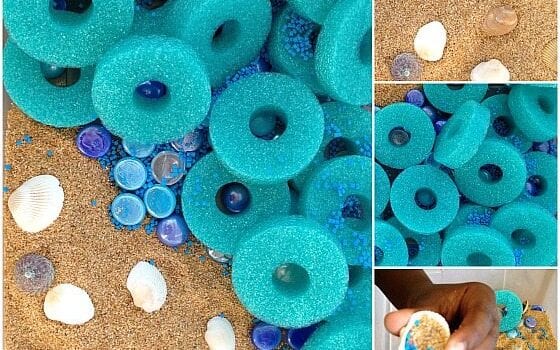
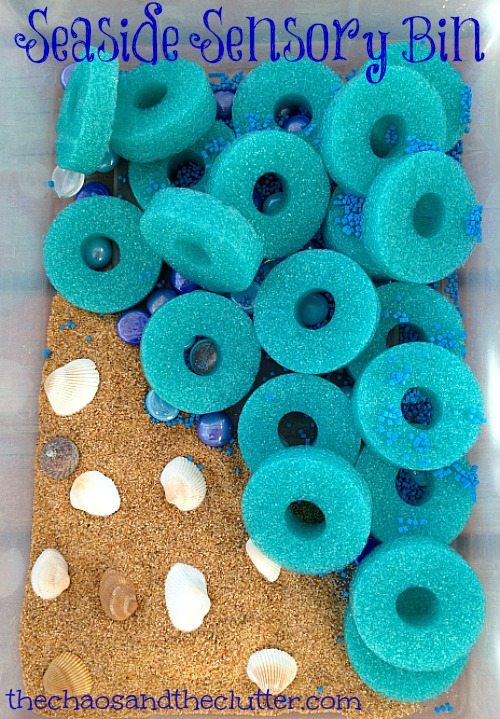
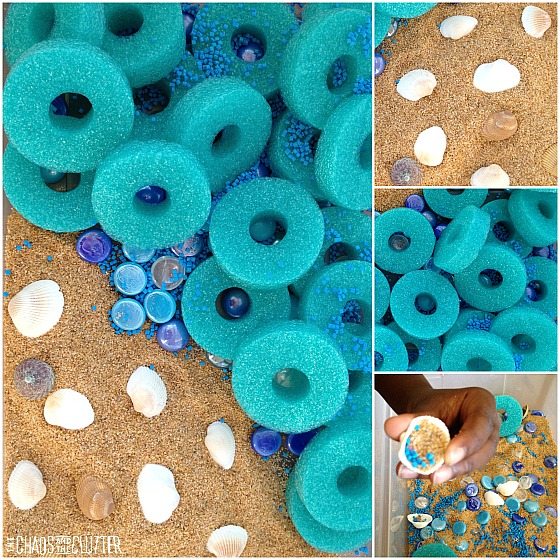
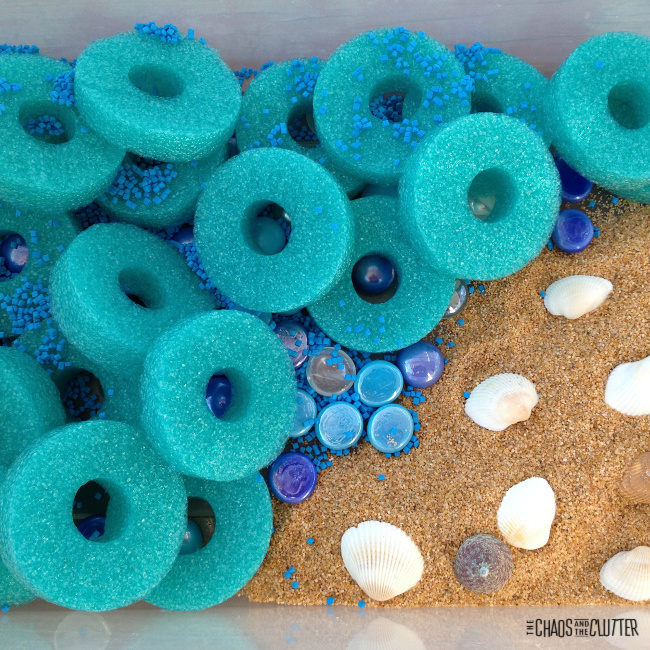
Seaside Sensory BinWhen I was grocery shopping on the weekend, the pool noodles were on clearance, so I picked one up knowing that I could find a use for it. Out of one pool noodle, I was actually able to make this sensory bin, a busy bag, an activity, and still have half leftover that is currently being used by my children as a sword!

To create this sensory bin, use a serrated knife to cut pieces of the pool noodle. In one area of the bin, put sand and seashells to create the shore. In the other, put the pool noodle pieces, glass beads and little blue foam bits. I chose these items both for the variety of texture they created. I also thought that the pool noodle slices gave the illusion of waves and the little foam bits looked like bubbles.

Seaside Sensory Bin square

Seaside Sensory Bin:

Supplies needed:

  • blue or teal pool noodle, sliced
  • sand
  • blue foam bits
  • seashells
  • blue and clear glass beads
  • plastic tub

Directions:

  1. Slice the pool noodle. This step should be done by an adult. A serrated knife works best.
  2. Place sand, foam bits, glass beads, seashells, and pool noodle slices in a plastic tub.
  3. Invite your child to play.

The seashells make great scoops for play. My kids also invented a game of holding one of the pool noodle pieces in their mouth and having others stack the rest of the pieces on top of that piece to see how high of a tower they could create without it falling. It’s not quite what I had in mind when I made the bin, but I like to let them direct their own play!
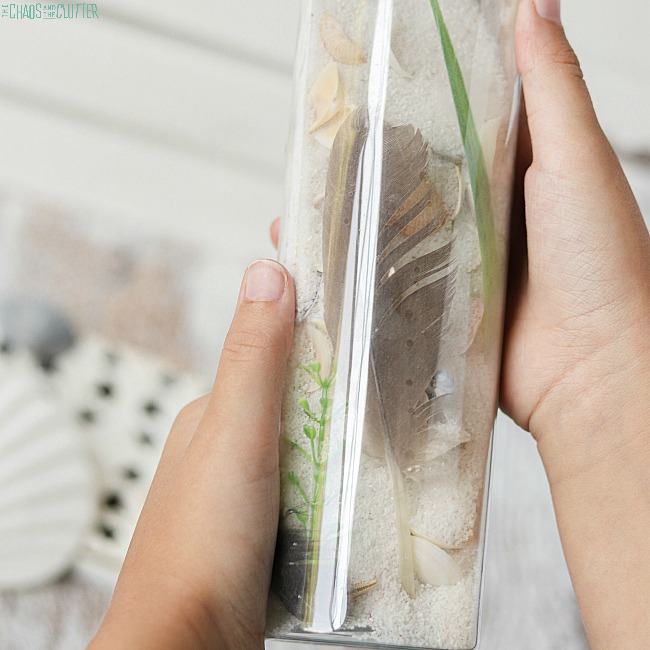
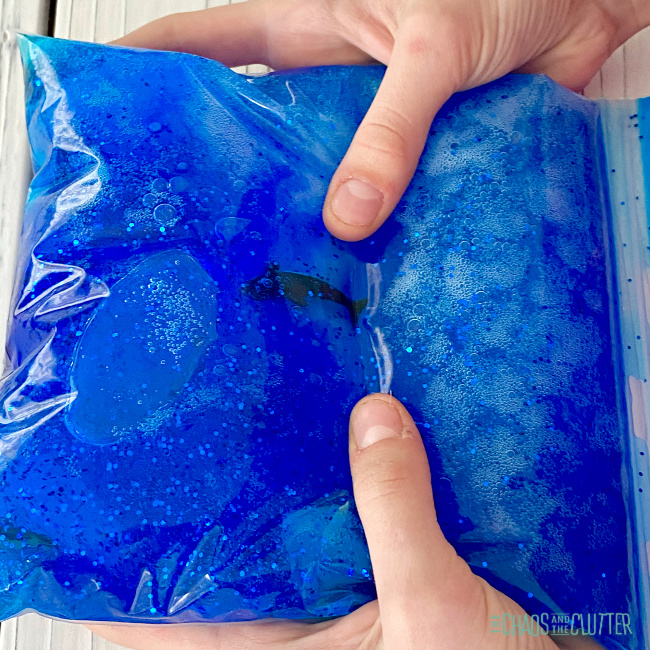
If you are looking for more sensory bin ideas or information, you may be interested in my book.

The Ultimate Guide to Sensory Bins

Join me for a free 5 part email series Sensory Solutions and Activities and get your Sensory System Behaviours Easy Reference Cards.

Check out these other beach themed sensory activities:

At the Beach Sensory Bottle

Ocean Sensory Bag

Filed Under: Sensory, Sensory Bins Tagged With: sensory bin, sensory play

  • « Go to Previous Page
  • Page 1
  • Interim pages omitted …
  • Page 40
  • Page 41
  • Page 42
  • Page 43
  • Page 44
  • Interim pages omitted …
  • Page 50
  • Go to Next Page »

Primary Sidebar

Categories

We are a participant in the Amazon Services LLC Associates Program, an affiliate advertising program designed to provide a means for us to earn fees by linking to Amazon.com and affiliated sites.

Copyright © 2026 • The Chaos and the Clutter • Site Design by Jeni @ The Blog Maven

Return to top of page

Copyright © 2026 · Chaos and the Clutter 2.0 on Genesis Framework · WordPress · Log in