Sensory overload can happen to all of us. In children who struggle with sensory issues, it can happen more frequently and more easily. It can also lead to sensory meltdowns. The key is to prevent sensory overload in children whenever possible.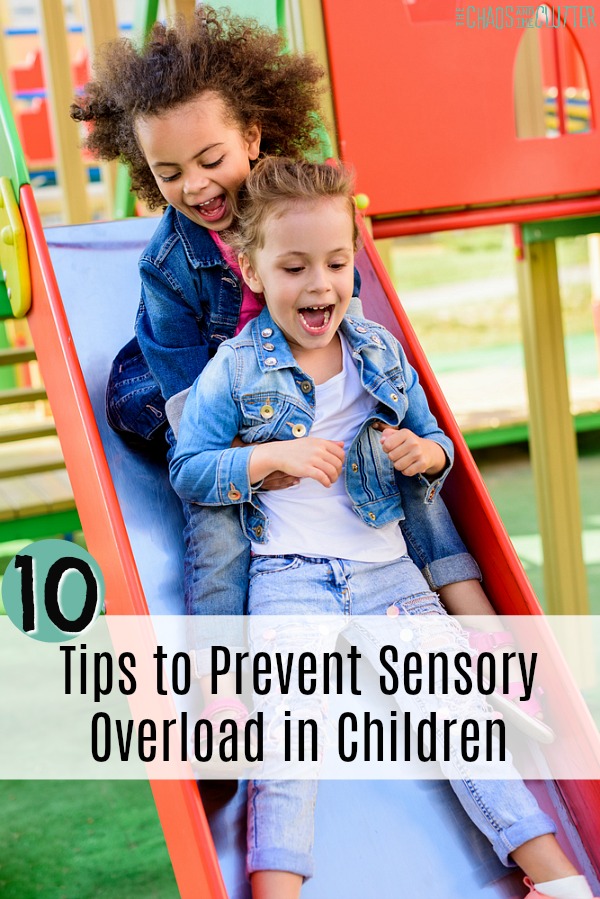 Even if you don’t struggle with sensory issues yourself, I’m sure you can relate to the feeling of sensory overload. We’ve all been there. For some, it may be at a concert or crowded event. For others, it’s being in a gymnasium full of screeching preschoolers. Or perhaps for you, it’s public bathrooms or an amusement park. Myself, I find the swimming pool too loud.
The combination of the background noise in there, the smell of the chlorine, the sounds of the water from the fountain and waterslide, the jets in the hot tub, the laughter and screams of all the kids, the visual overload of so many people and so much movement…I find that I can only take so much before I need a break.
What causes sensory overload?
Our society is increasingly fast paced. In many cases, places are becoming louder, more crowded, and more visually stimulating. Add in advancing technology and it’s easy to see why sensory overload occurs.
Have you ever been somewhere and suddenly, you are acutely aware of the noise or smell? It’s possible that you may have been experiencing sensory overload.
Be on the lookout for signs of sensory overload in your child. If caught in time, sensory overload doesn’t have to lead to a sensory meltdown or a fight, flight, or freeze response.
Read about the Sensory Processing Overload Signs and print them as a reference here. This will allow you to recognize them in your child.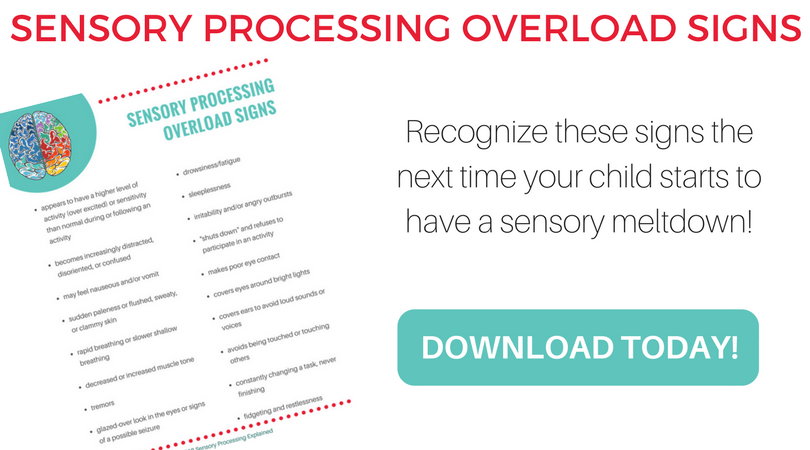
What triggers sensory overload?
Sensory overload can be triggered by a variety of things and for most, it is actually a combination of more than one source of sensory input that causes the overload.
Here are just some of the things that can trigger sensory overload:
Visual (sight):
- bright lights or fluorescent lights
- flashing lights
- colours
- decorative displays
- busy decor
- clutter
- new places, people
Auditory (sound):
- many people talking at once
- music
- background noise such as fans, air conditioners, birds chirping, or traffic sounds
- loud noises such as alarms, sirens, screaming
Olfactory (smell):
- strong food smells
- new smells
- cleaning agents
- candles, air fresheners, or potpourri
- perfume, cologne, scented lotions, or scented hair products
Gustatory (taste):
- new flavours
- strong tastes
- flavours disliked
Tactile (touch):
- new textures
- clothing (new material or seams or tags)
- being touched
- touching an unusual or new object, person, or animal
- rain or snow or wind
Vestibular and Proprioception:
- movement such as the motion of a vehicle, rocking of a boat, swinging
- being bumped in a crowd
- spinning
- having a heavy coat on or being confined in a car seat
- change in air pressure
- jumping
Interoception:
- hunger or being too full
- thirst
- change in temperature
- needing to go to the bathroom
Tips to Prevent Sensory Overload in Children:
- Keep your outings to a minimum for kids who are prone to sensory overload. Choose times and days when places will be less busy. Avoid crowds whenever possible. I know that not all errands can be avoided, but if your child is particularly sensitive, you may need to get groceries at times when you don’t have to bring your child with you.
- Minimize the amount of activities you register your child for. Reports show that over-scheduling your child can actually lead to an increase in anxiety. Swimming lessons, karate class, art class, school, soccer, drama club, and other sports and arts are all wonderful for kids, but pick and choose. Be sure to leave plenty of space for free time.
- Be aware of the environment and take steps to reduce sensory input. One example would be to have your child wear noise reducing headphones in places that are loud.
- Talk to your child’s school about removing unnecessary visual, auditory, and olfactory (smell) distractions from the classrooms and hallways. Schools are already full of noise and colour, but thee are some things that can be minimized.
- Smells are a sensory trigger for many kids (and adults). Don’t wear perfume or use scented lotions or hair products if you know your child is sensitive to them.
- Maintain as predictable a schedule as possible. Ensure your child is getting adequate water, nutritious meals and snacks, and a good amount of sleep.
- Allow extra time so that you aren’t rushing and so that you can allow for extra time for transitions.
- Provide sensory breaks at regular intervals during the day.
- Teach your child calming breathing techniques and have them practise them daily.
- Provide a quiet place your child can go to when they are feeling overwhelmed by their surroundings.
Check out these other helpful articles:
How to Stop Sensory Overload from Turning into a Sensory Meltdown  Recognizing the Signs of Sensory Overload in Children
  Sensory Meltdown Tips from Moms Who’ve Been There
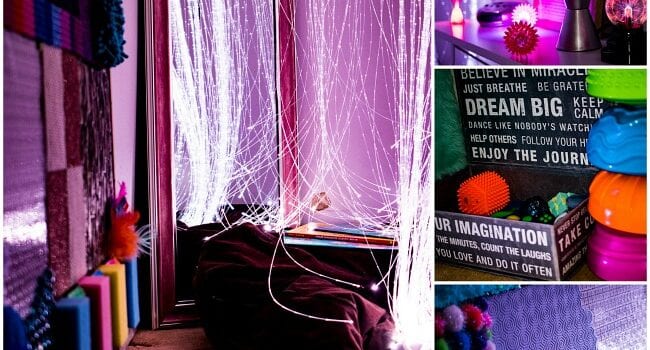
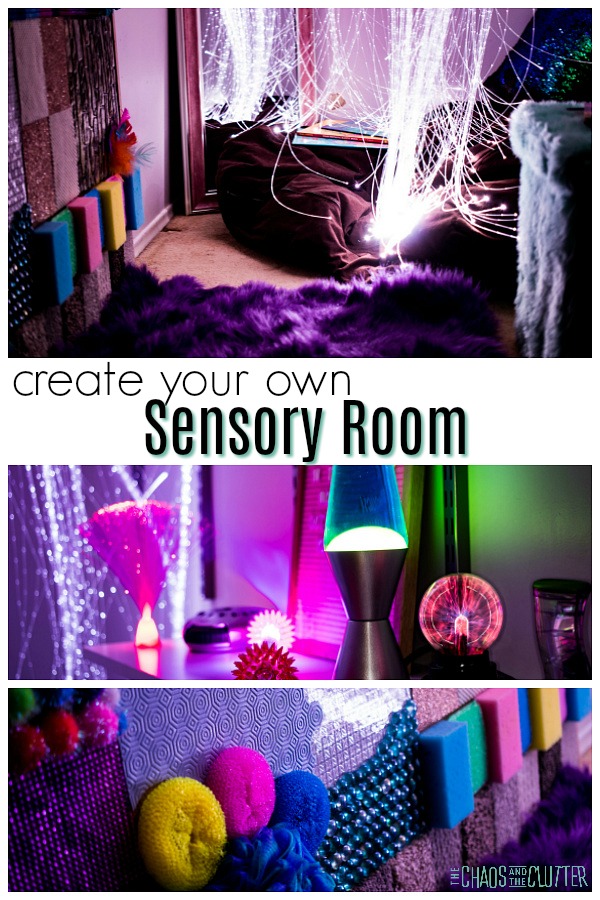 The kids got older. I still saw the need for a sensory room. I knew that if I didn’t create one now, they would soon be grown. That prompted my decision to use a storage closet as the space. I began planning how I could make things myself instead of purchasing expensive equipment.
 (photos courtesy of Shelley of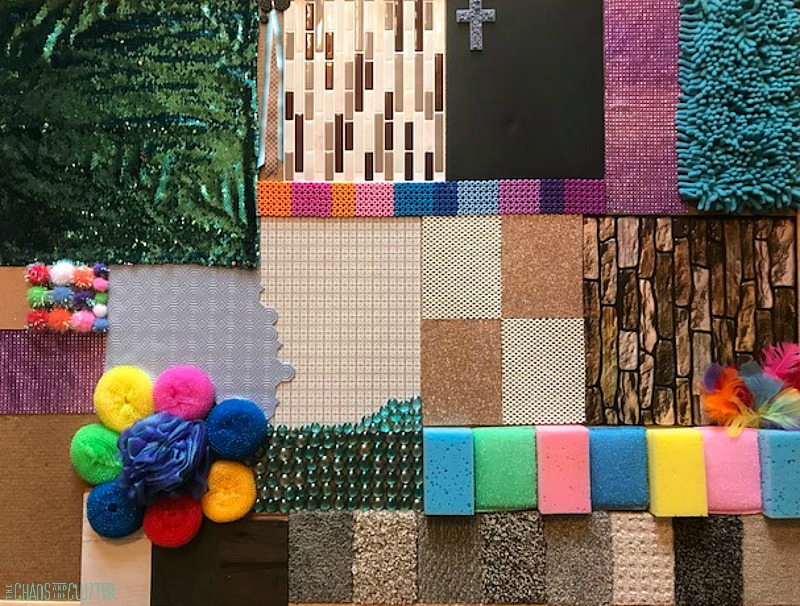
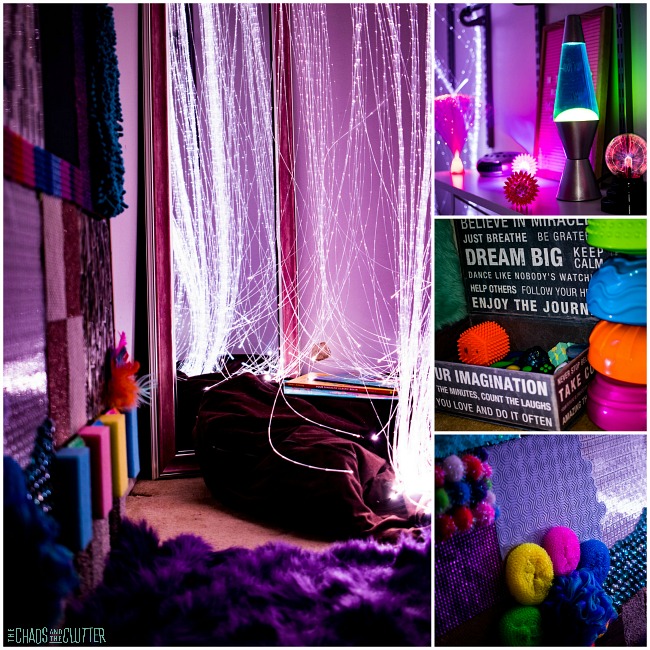
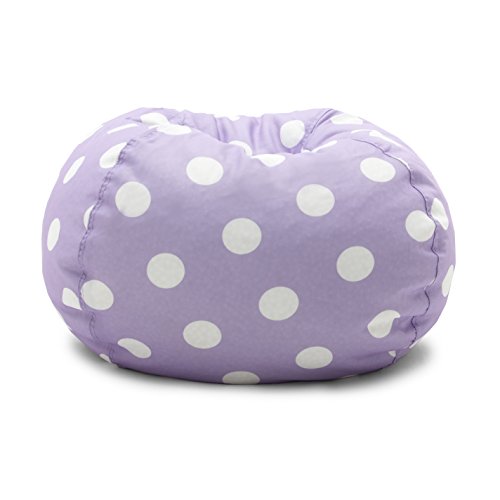
 I placed a bean bag chair under the fibre optic light curtain and a mermaid pillow on top of the bean bag chair. I also have a few “brain friendly” books sitting there in case one of the kids wants to read while they are in the calm down corner.
 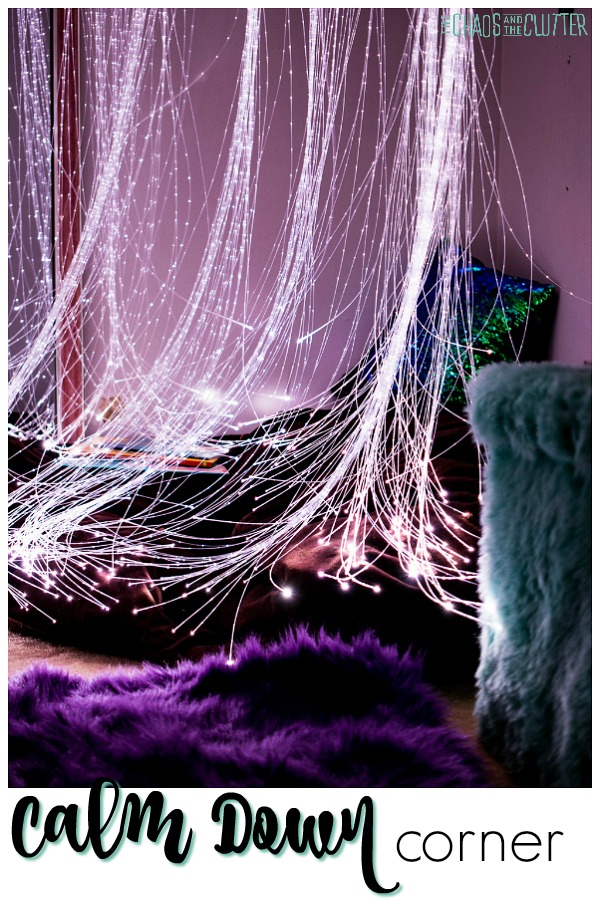 There is a long mirror across from that corner. This is for two reasons. The first is that the room used to be a storage closet so it’s very small and the mirror helps it feel bigger. The second is that kids can use the mirror to monitor their breathing and facial expressions which can help them to self-regulate.
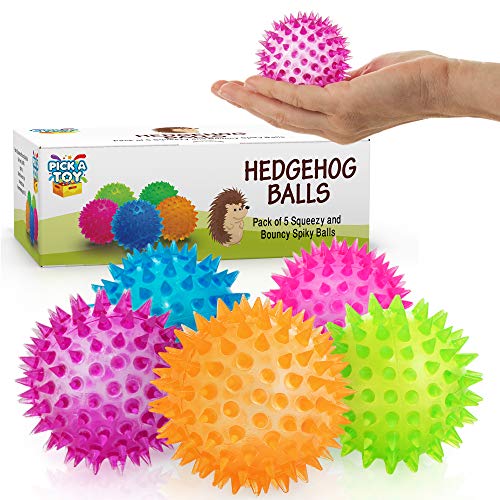
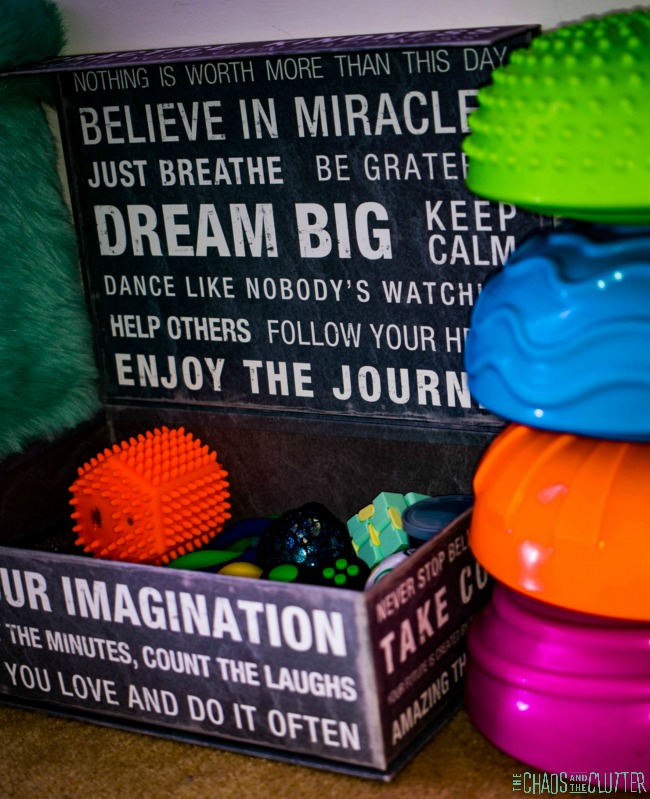 The box contains all kinds of fidgets including pencil toppers,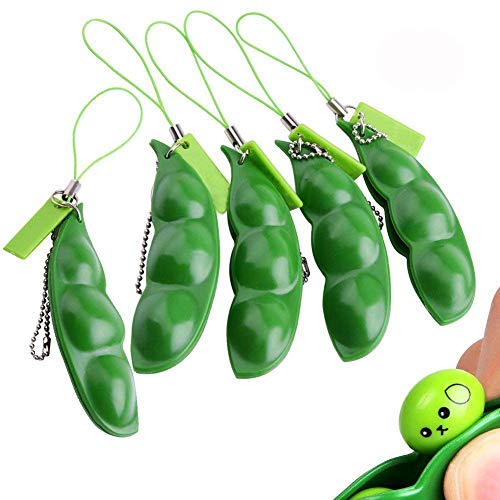

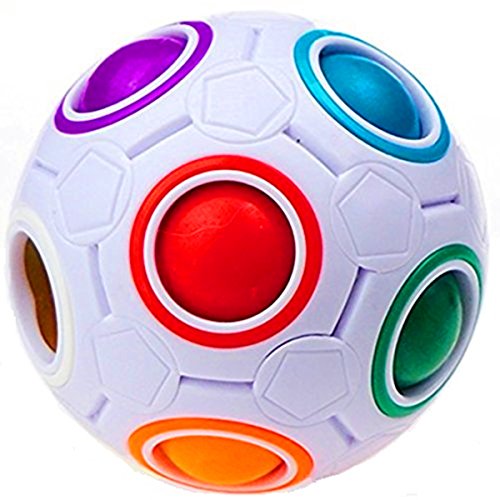

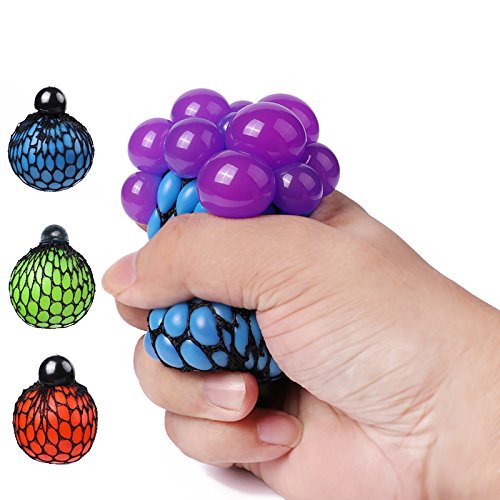
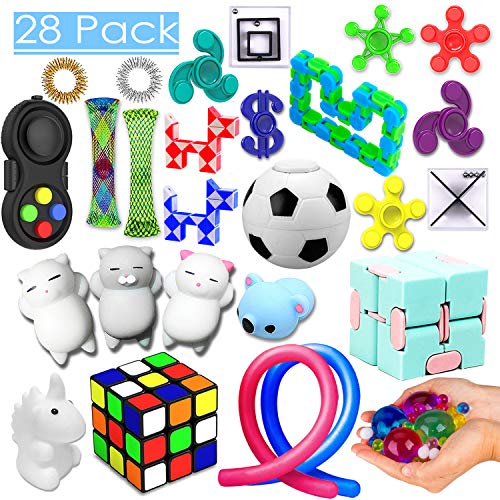
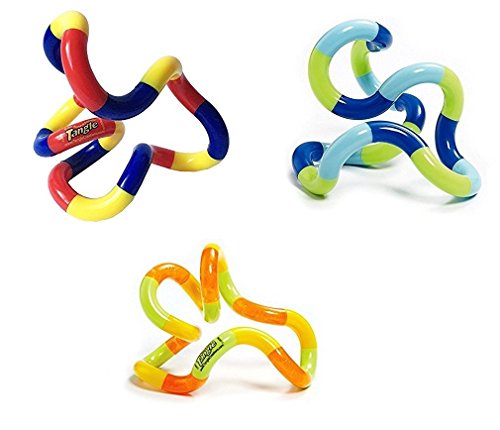
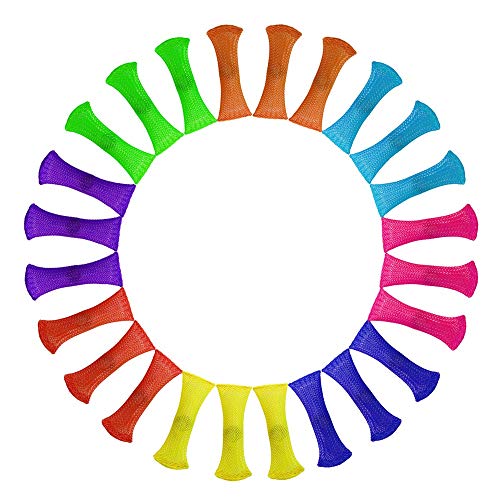

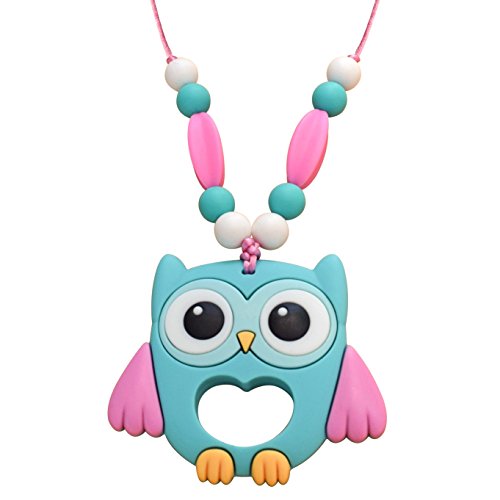
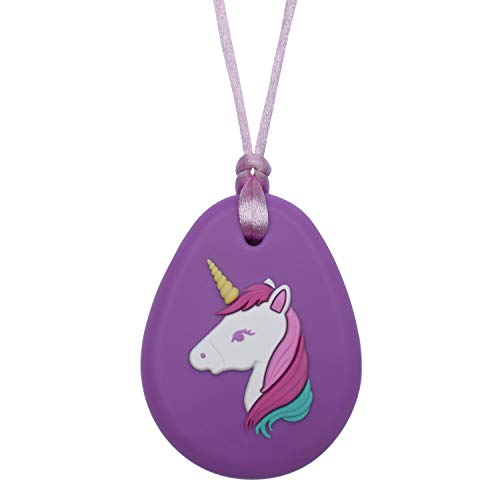
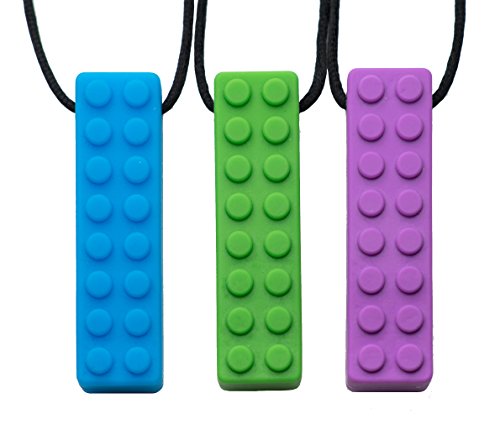
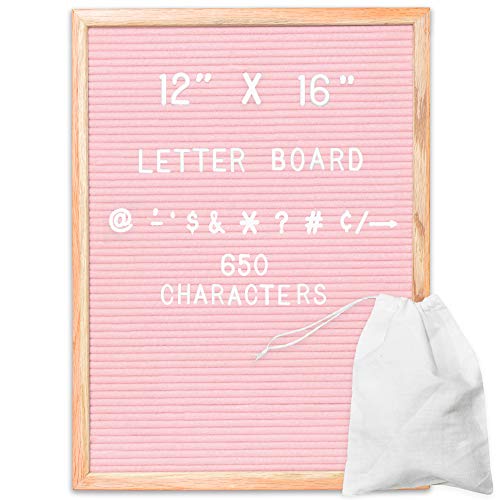
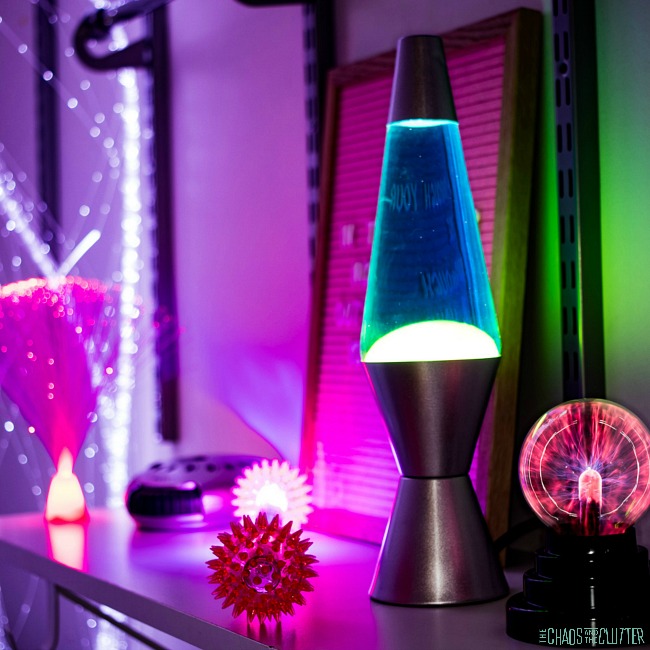 On the felt board, I put the words “In Through Your Nose Out Through Your Mouth” as a reminder for my kids to do their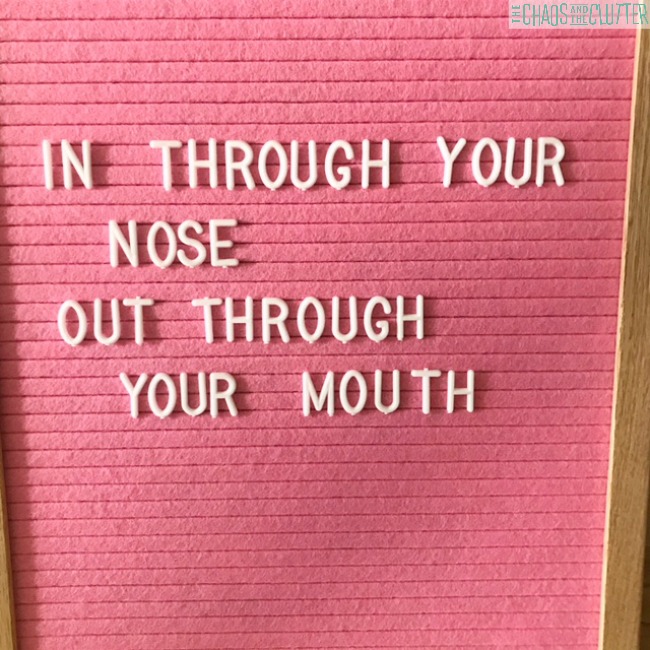
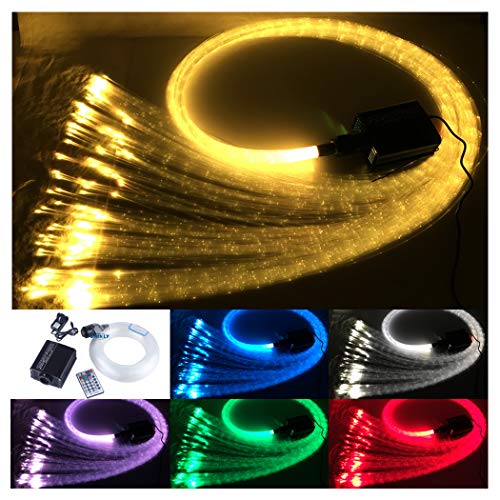

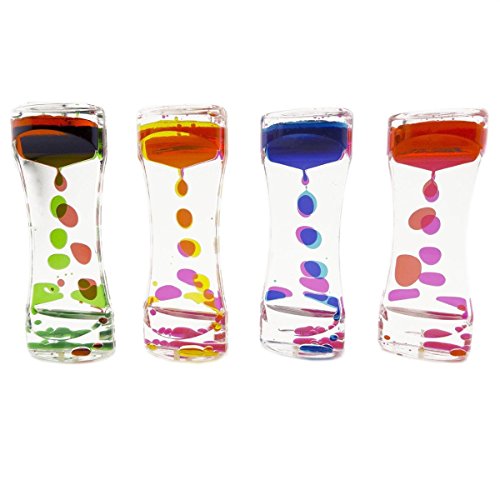



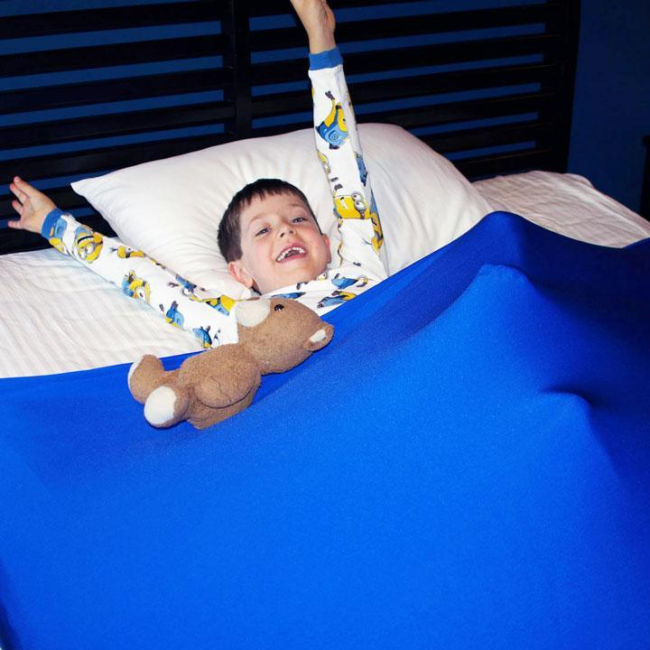 It’s a great alternative to a weighted blanket for those that don’t want the heavy weight or heat of a weighted blanket.
 Weighted neck wraps can be particularly beneficial for those with sensory processing disorder, autism, or ADHD. They can help reduce excessive movement and provide more focus and calming.
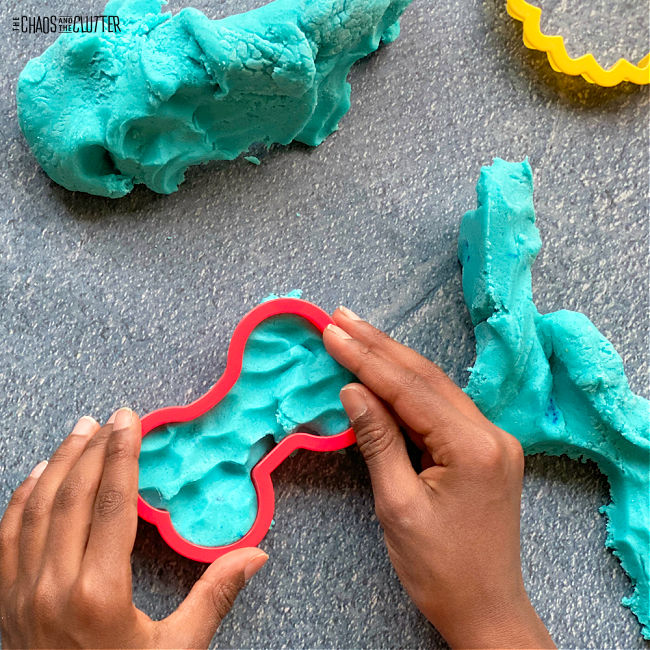
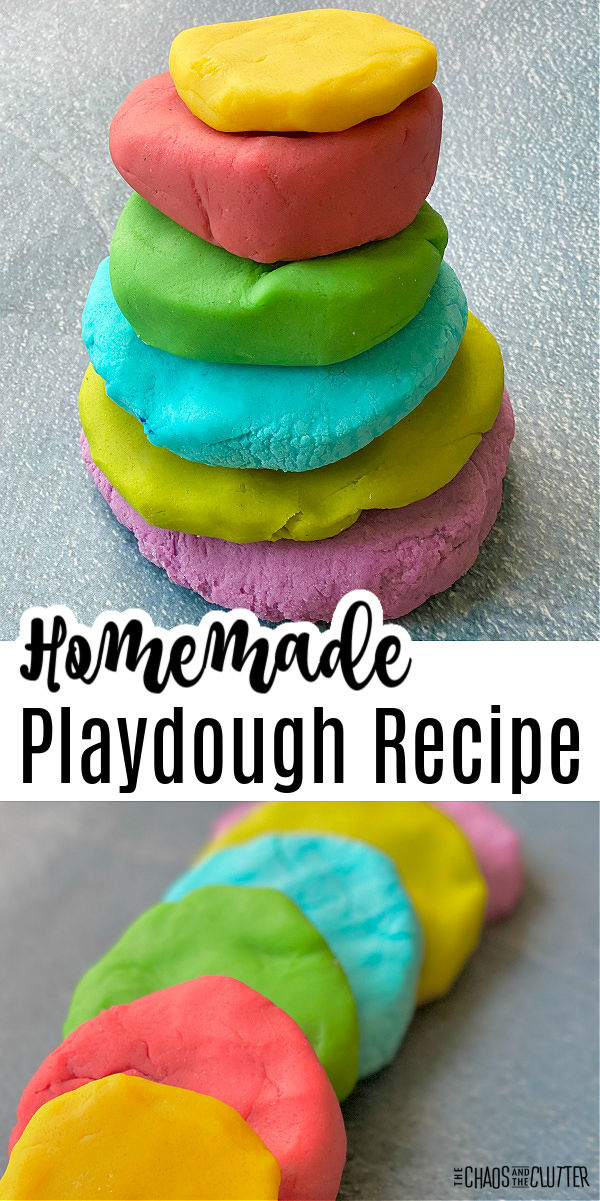 When I was growing up, my mom made homemade playdough. For some reason, our playdough was always green. I’m not sure why she never made it another colour, but when I think of homemade playdough, a certain shade of green is what comes to mind!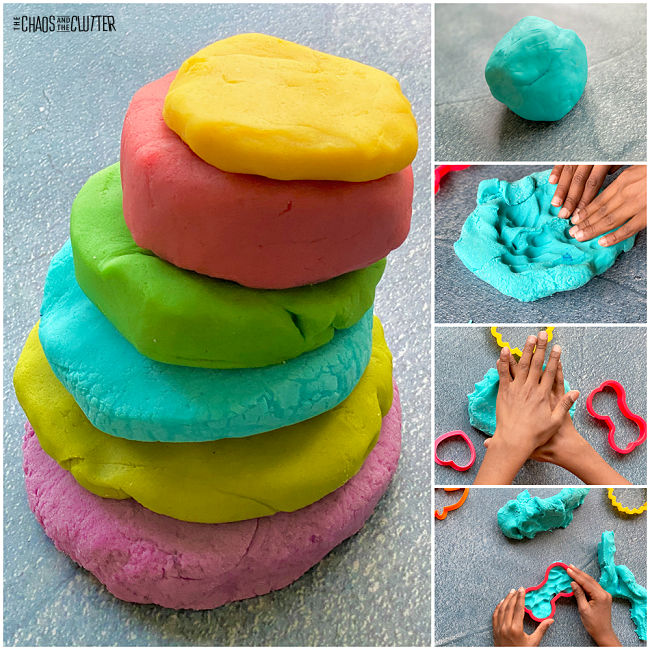

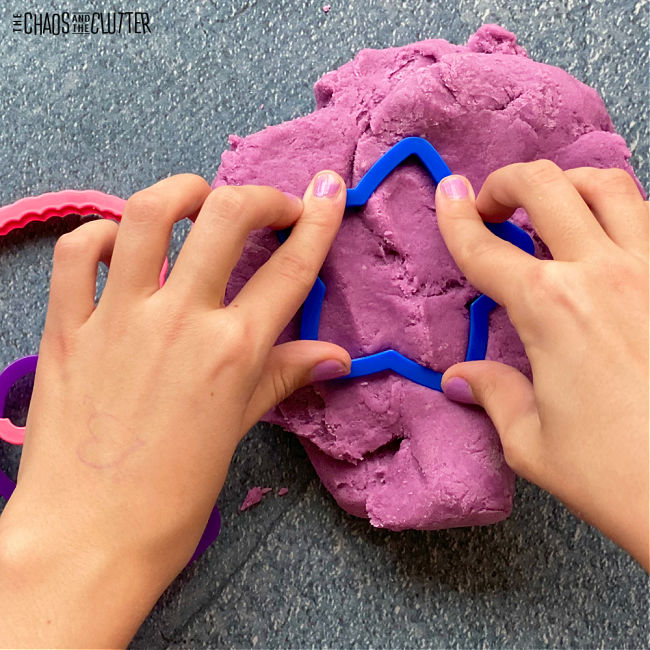 Get an entire set of printable transportation alphabet playdough mats free by entering your email address below. You’ll also be signed up to receive our email series Sensory Activities and Solutions.
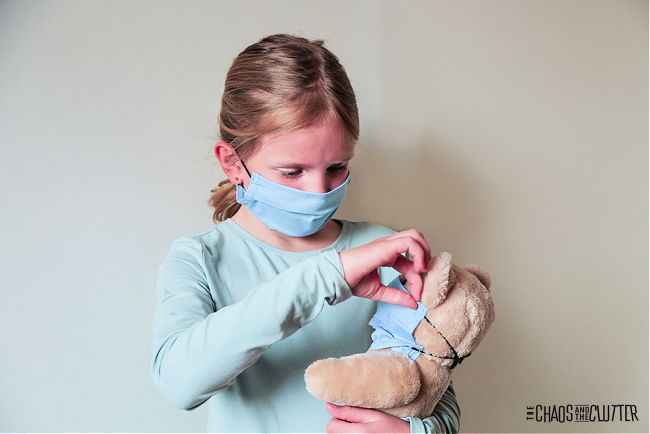
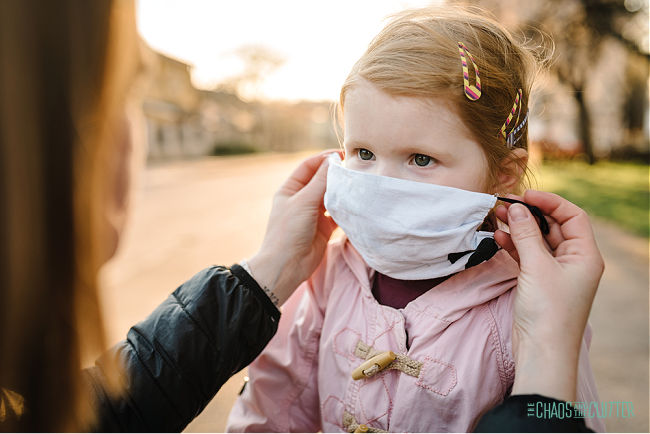
 Important note: I know that there continues to be debate over mask wearing. Regardless of how you personally feel about masks, the fact remains that more and more regulations are being put in place requiring the use of masks. This article is not meant to debate the effectiveness of face masks or whether or not they should be mandated. It is meant to address the practicalities of having children wear masks, particularly children who struggle with sensory issues and may therefore find it more difficult.


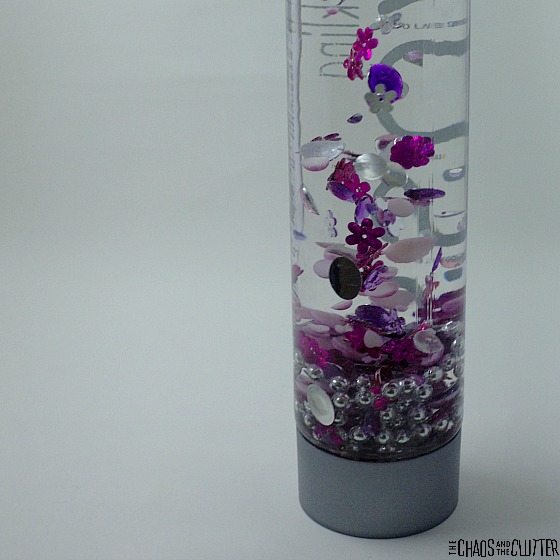
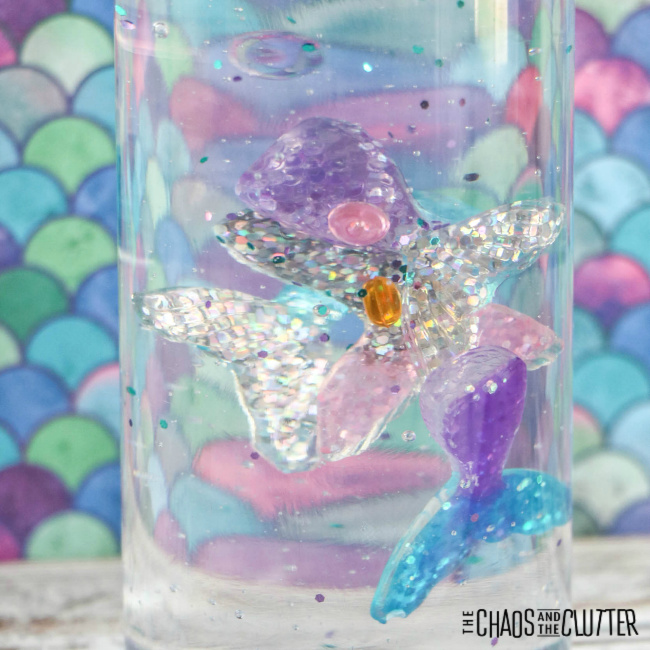
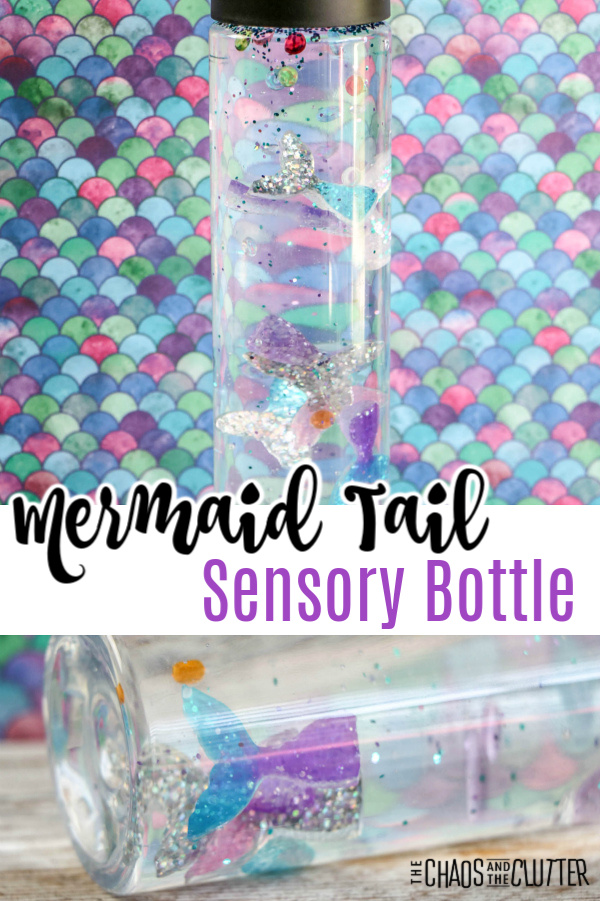 The glitter falls slowly through the glue and water mixture, creating a calm down effect. This sensory bottle also provides tactile, proprioceptive, and visual sensory feedback for kids.
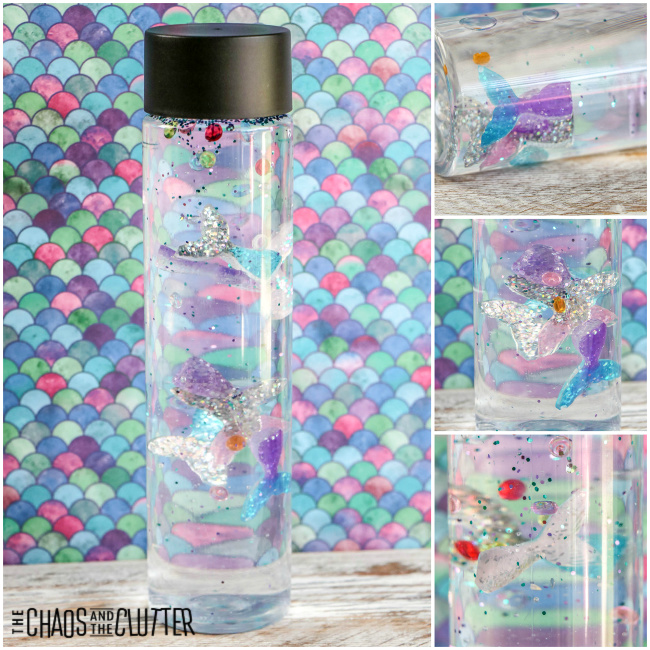 Directions:
 Are you looking for more easy sensory play ideas? Join us for a five day email series on Sensory Activities and Solutions and get a free sample of our Sensory Play Recipes eBook.