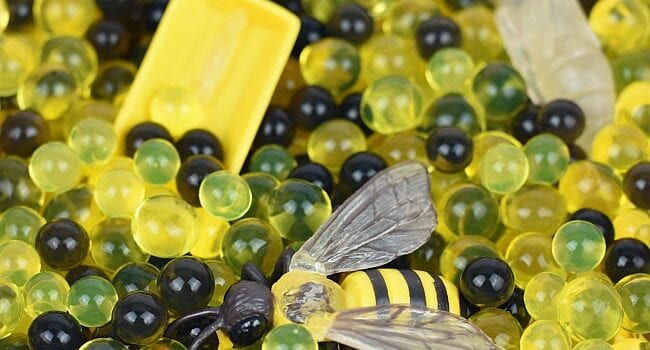
A bee life cycle sensory bin is a hands-on way to reinforce learning for kids on this topic. You can use this bin in a science unit or at a sensory station in your home or classroom.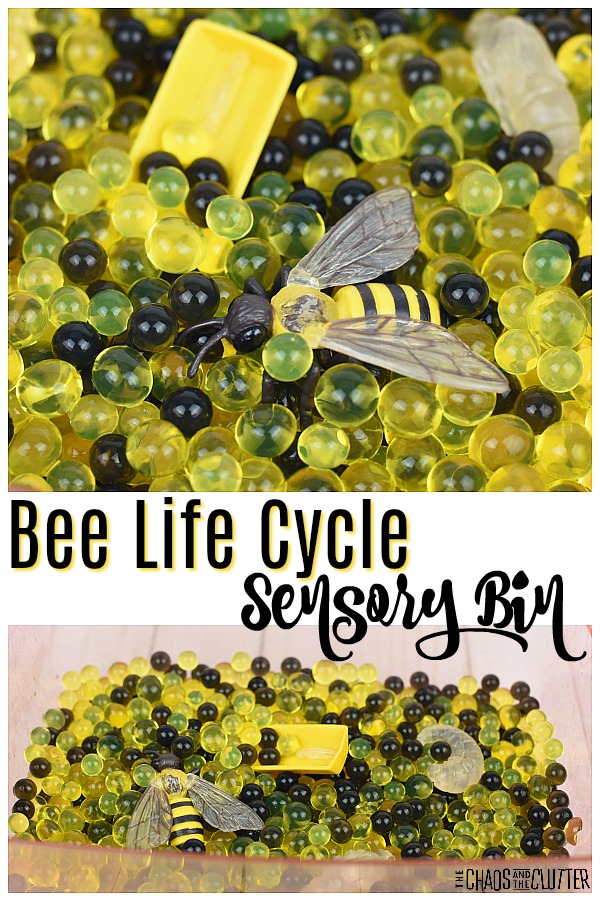 Walk kids through the transformation of a bee from egg to larva to pupa to a mature honey bee. You can either add everything to the bin all at once, or you can add them in after the amount of time they would happen in real life.
In that case, you would add the egg on the first day and it would “hatch” into the larva after 3 or 4 days, so you could add the larva on that day. The next stage takes between 6 and 11 days depending on whether the bee is a future queen or a worker bee.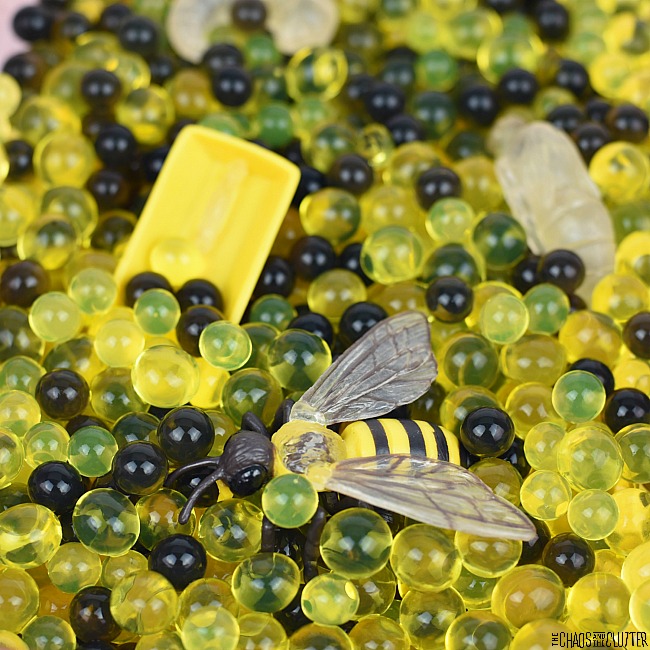
Bee Life Cycle Sensory Bin:
Materials needed:
- plastic bin
- black and yellow water beads
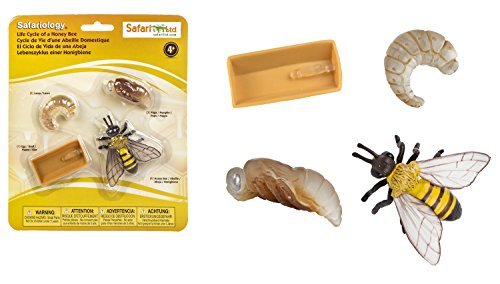
- the life cycle of a honey bee pack
- optional: small jar of honey to touch, taste, and smell
Life Cycle of a Honey Bee Yellow Water BeadsBlack Water Beads
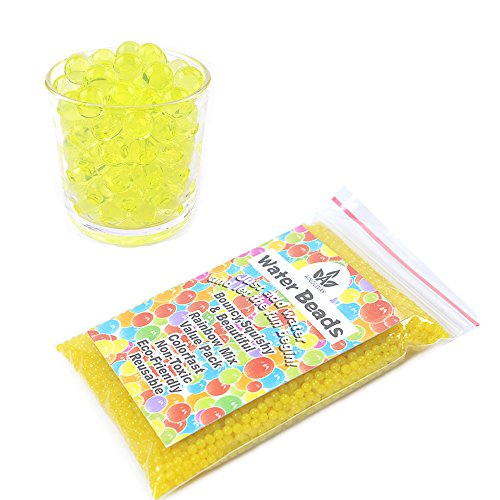
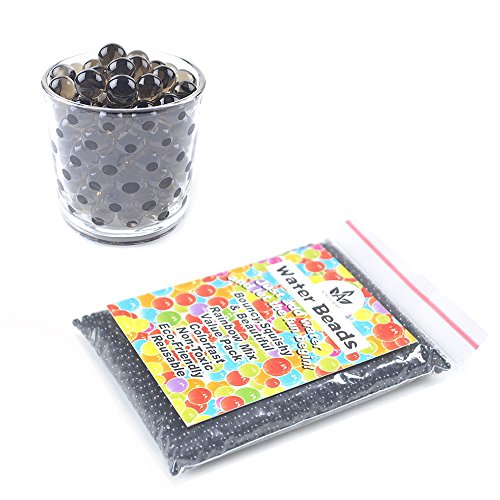
- Place the water beads in a plastic container. I used three packs of yellow beads and one pack of black water beads.
- Add water.
- Allow the water beads to expand fully (this will take several hours) before adding the items from the life cycle of a bee package.
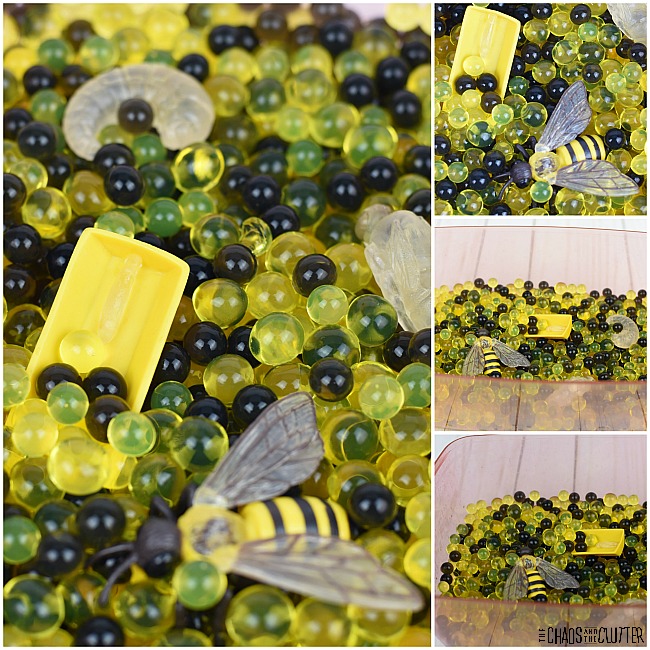 Kids can use their hands to dig in the bin and touch each of the stages in the honey bee cycle. If you’ve included some honey, they will also be able to use their sense of taste and smell to enhance their learning.
This sensory bin engages the visual and tactile sensory systems and if honey is included, it also engages the olfactory (smell) and gustatory (taste) systems as well. This is hands-on learning at its best.
If you’re doing a learning unit on bees, here are some other great resources to check out:
Free Bee Life Cycle Printables from Homeschool Preschoool
How to Make a Bee Habitat from Natural Beach Living
Printable Life Cycle of a Bee Layer Book from Passionate Curiosity
Books that would go along well with this unit:
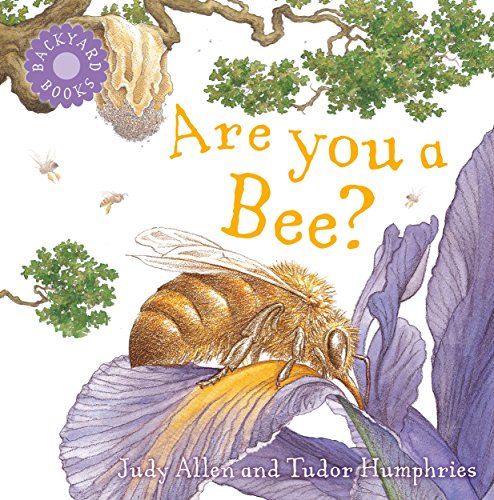
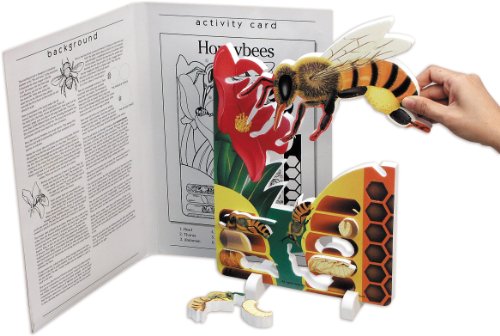
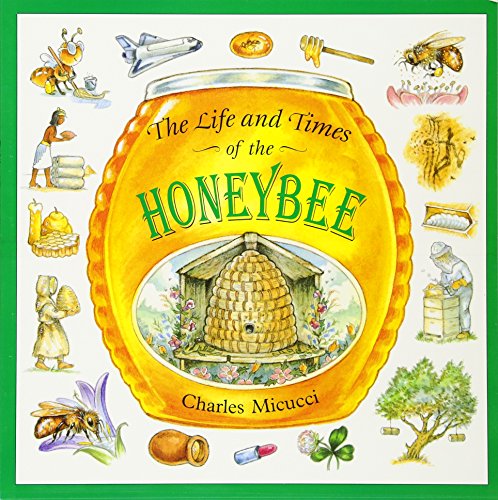
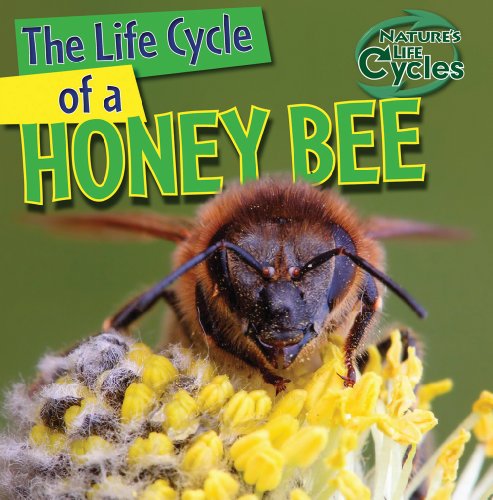
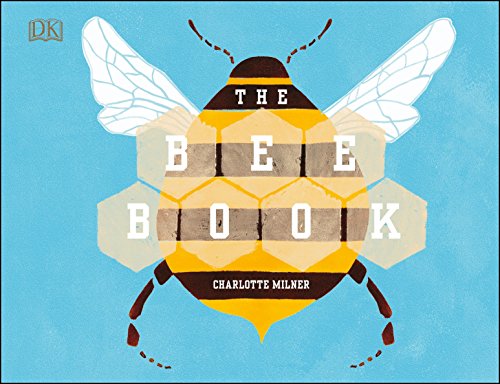
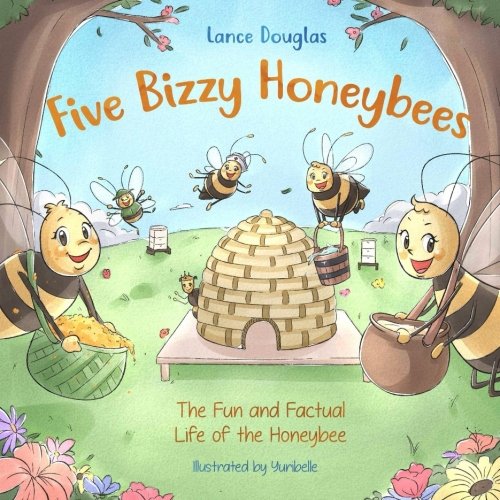
Are You a Bee?Book Plus Bee Life Cycle Foam ModelThe Life and Times of the HoneybeeThe Life Cycle of a HoneybeeThe Bee BookFive Bizzy Honey Bees
Check out some of our other science related sensory bins:
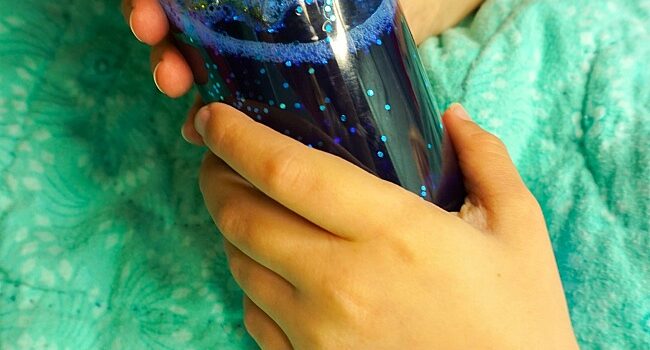
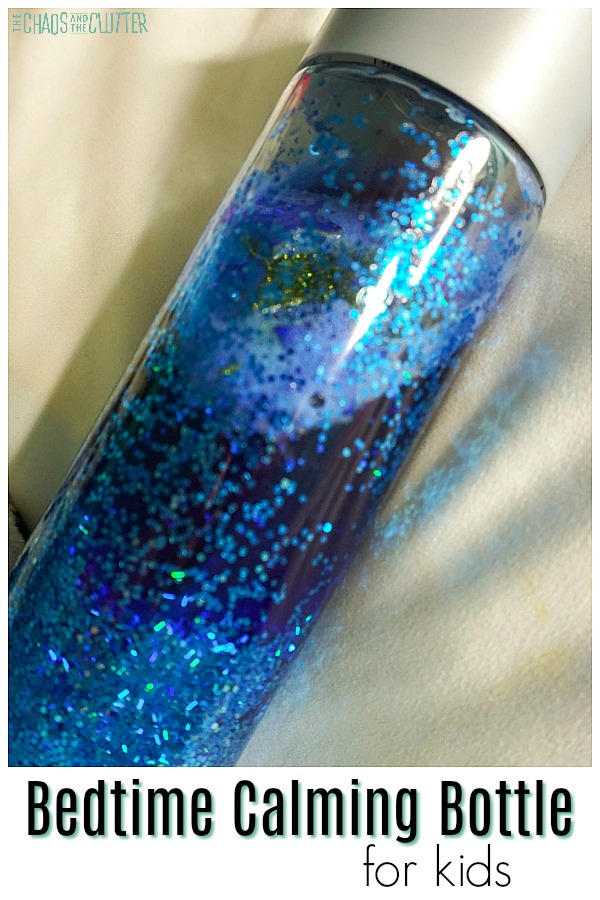
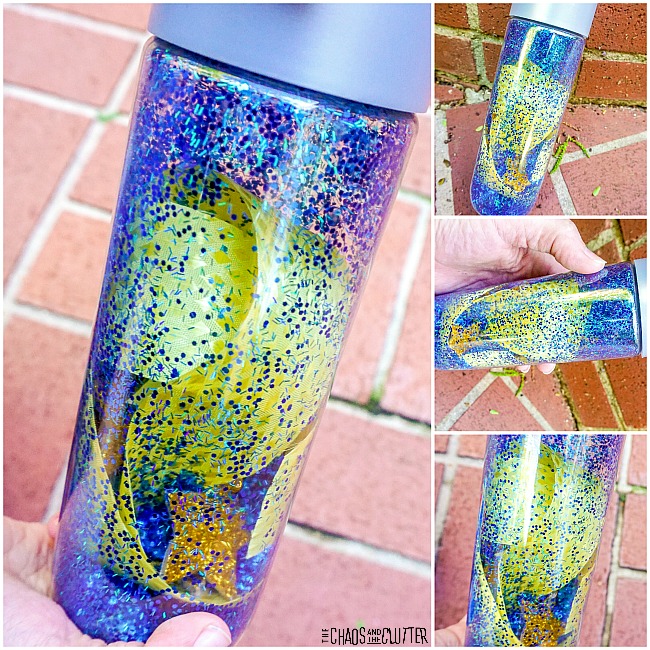
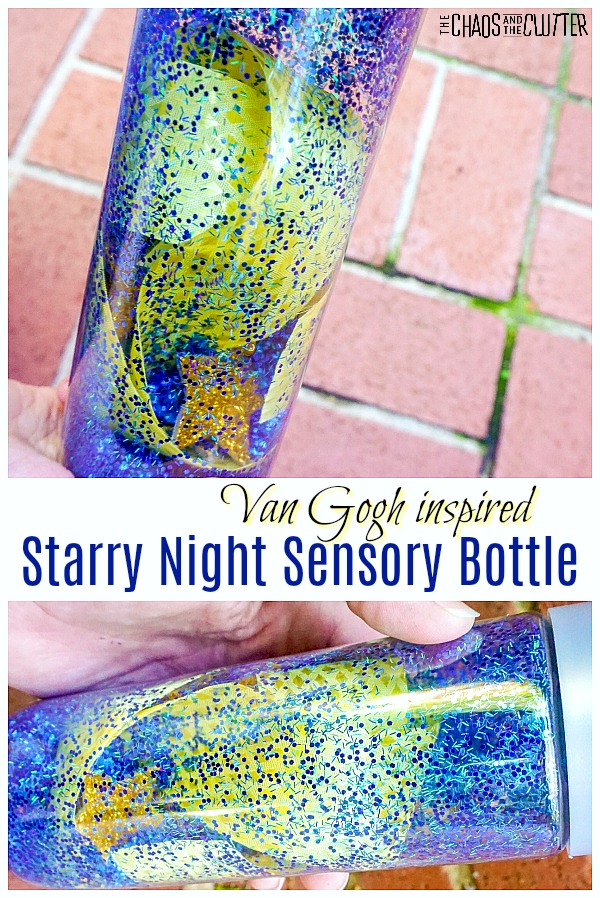
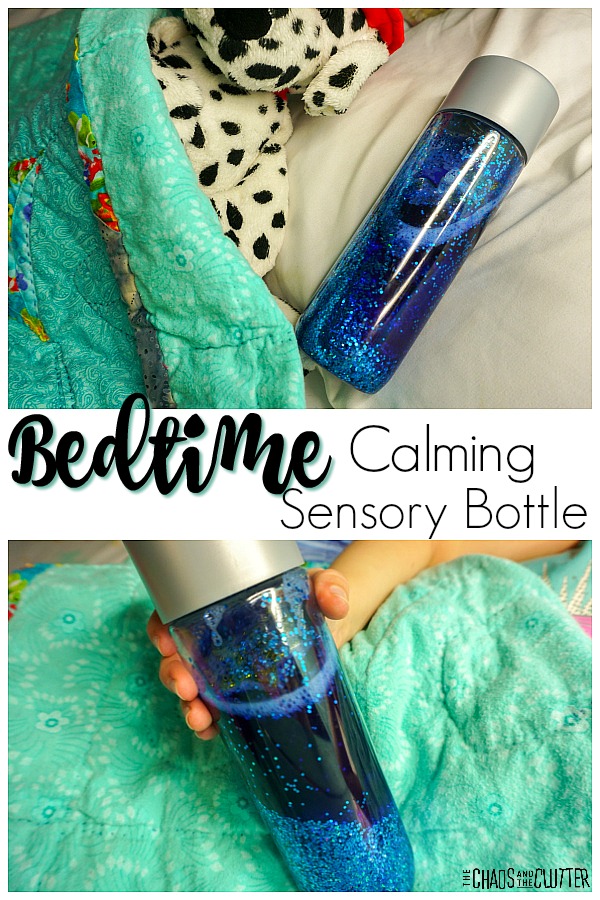 Having a comfort item such as this calming bottle can help kids who have anxiety about bedtime. Incorporating this into the nighttime routine can be good for both children and parents.
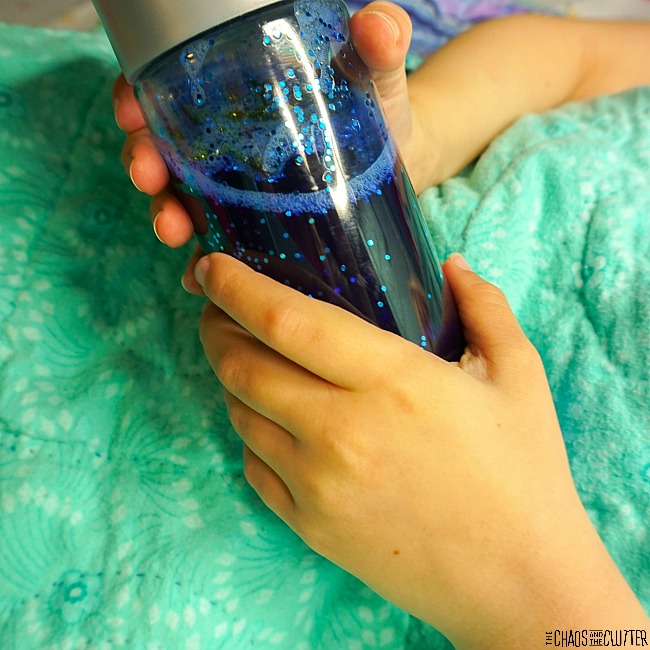 Directions: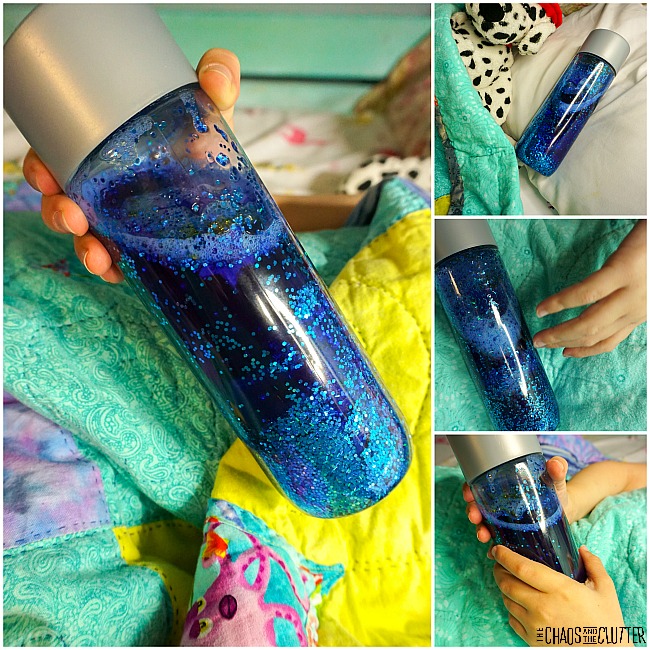
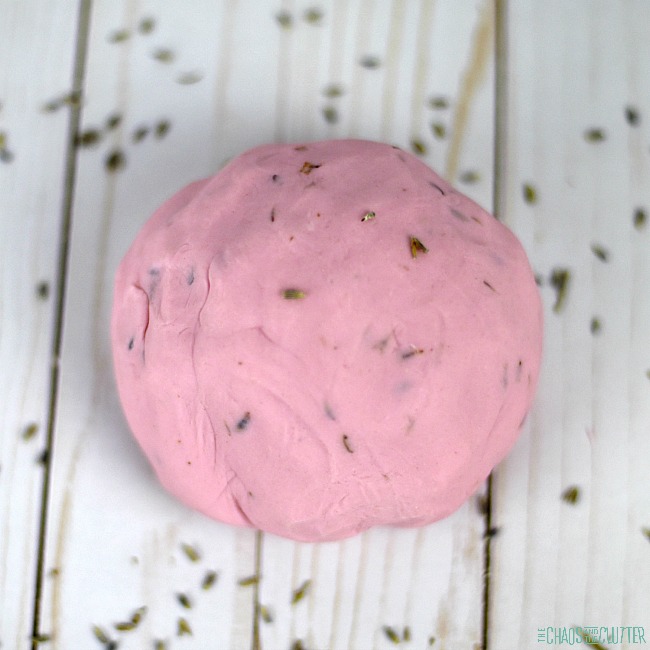
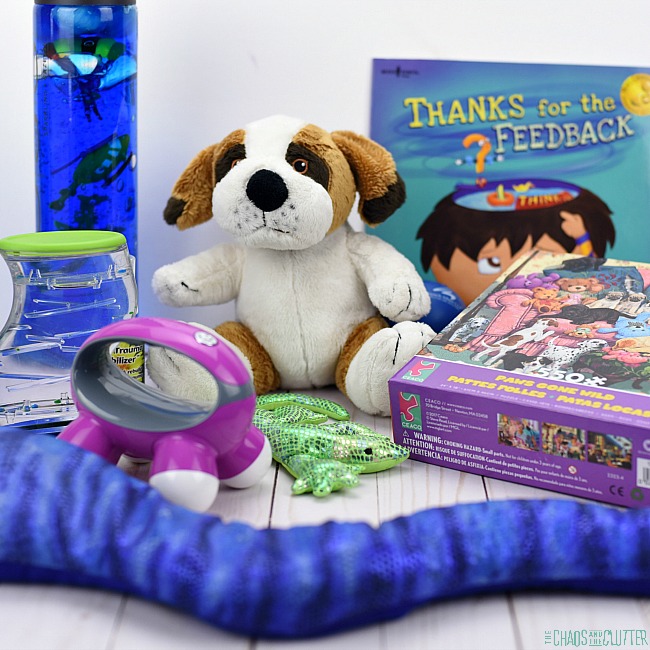
 Check out these other calming techniques for kids:
 Kinetic sand goes beautifully in a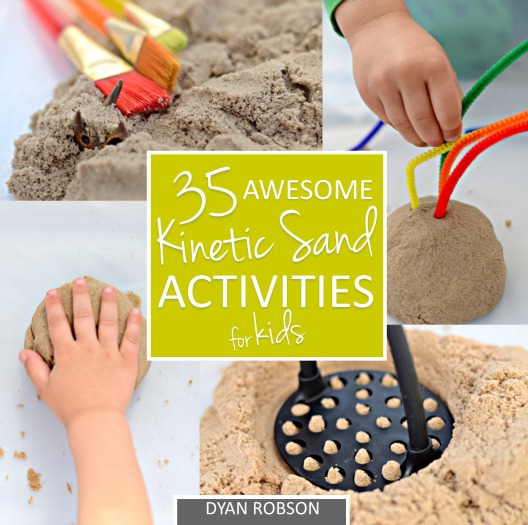
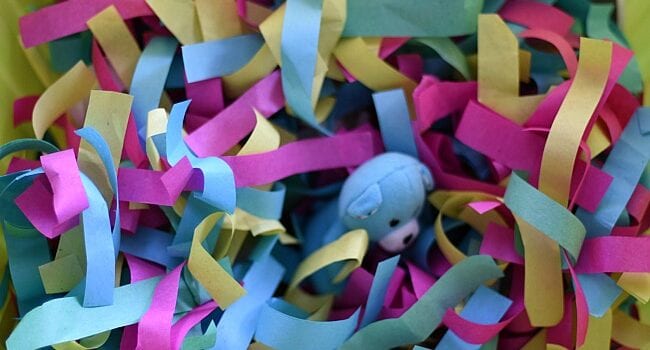
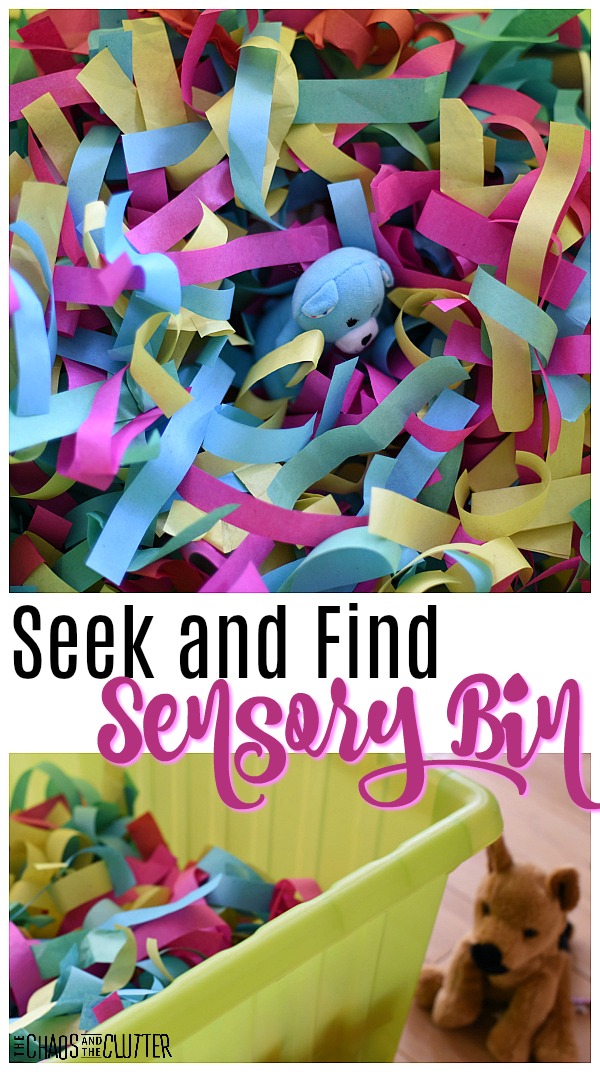 For younger kids, this sensory bin can almost mimmic a peek-a-book type of effect. You can drop a toy in and it disappears until they find it and it reappears again.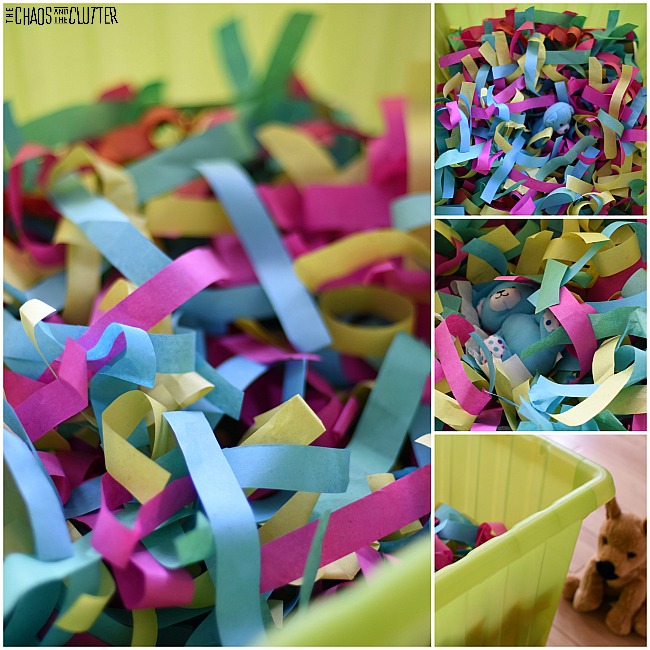
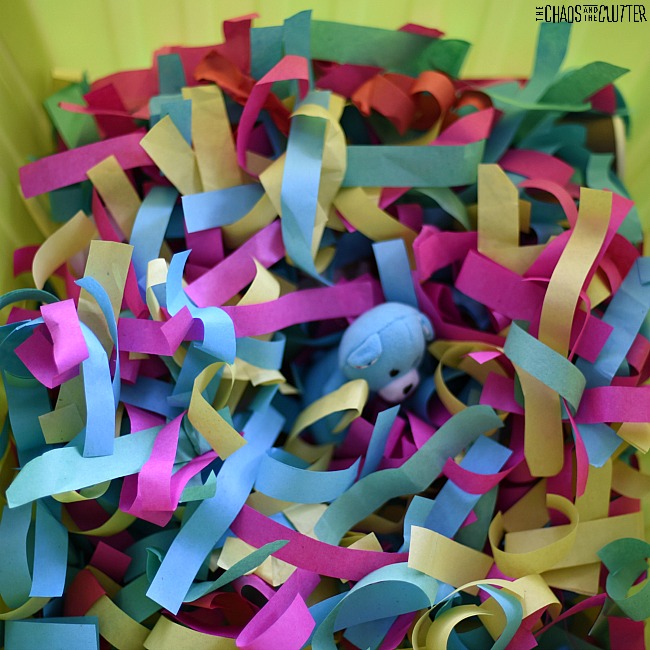 This activity engages the visual and tactile sensory systems. If you place the bin on the ground and your child bends over to go through it looking for their toy, then it also engages the vestibular sensory system. And the crunching of the paper can provide auditory input as well.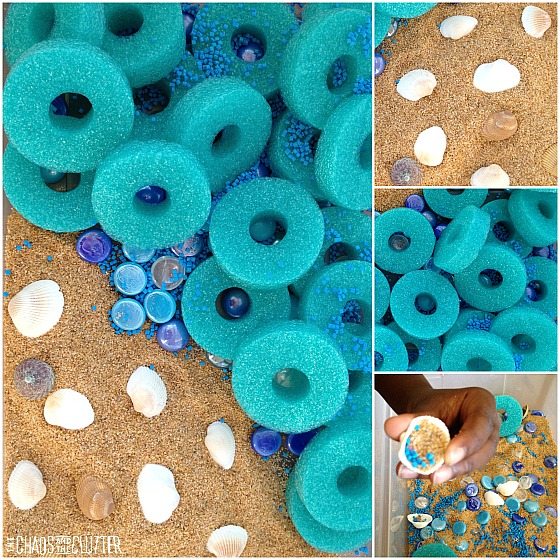
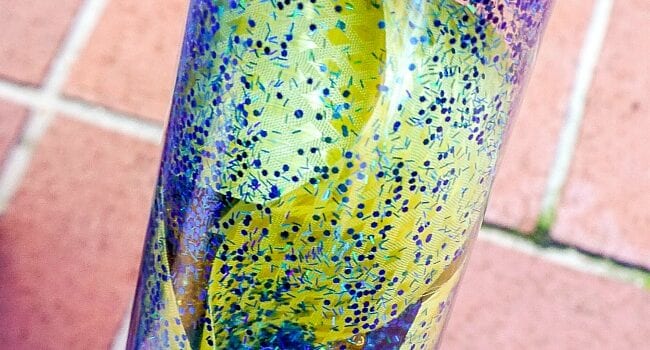
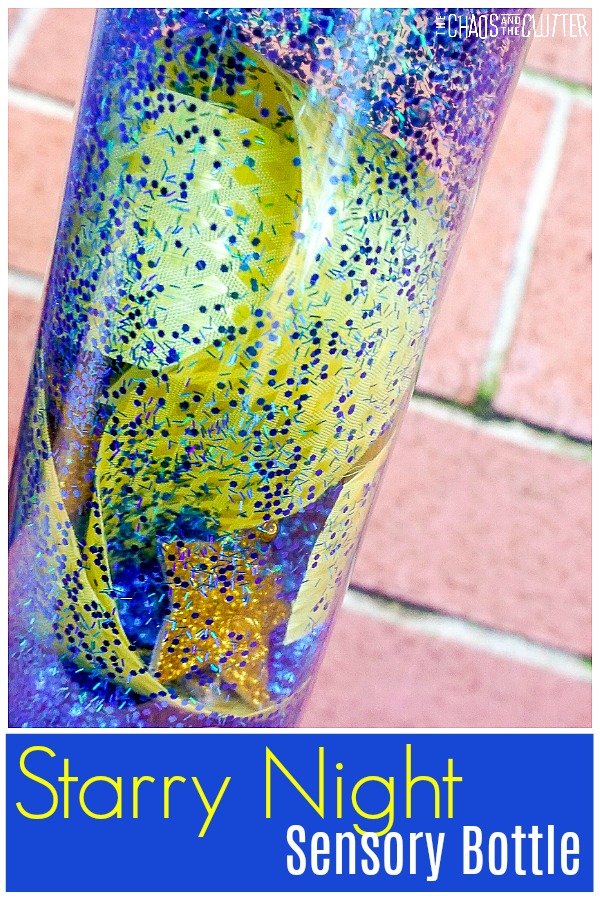

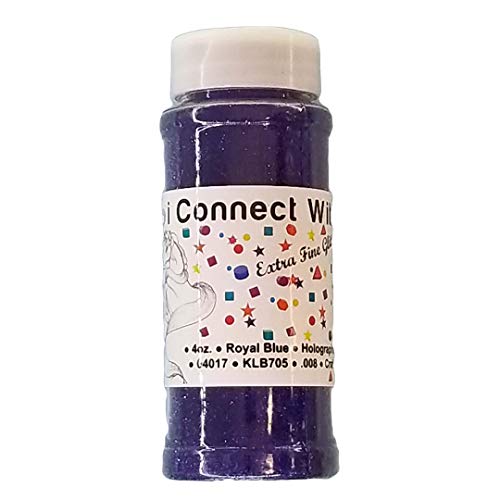
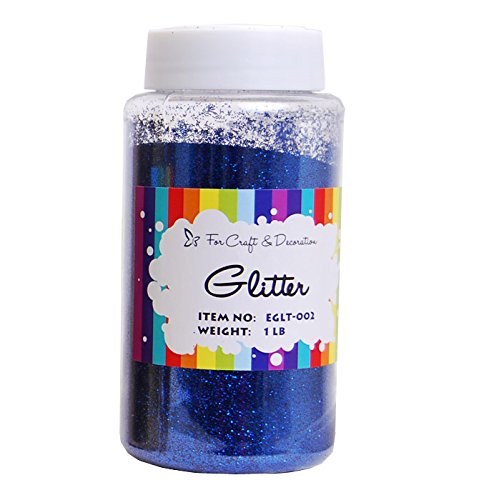
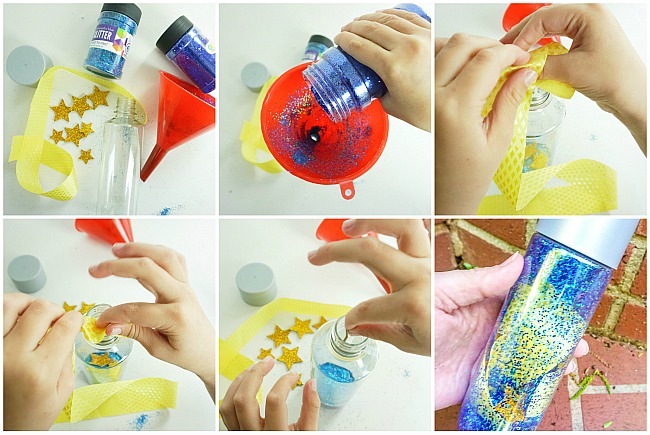 Note: If you are intending to use this sensory bottle with small children, seal the lid with super glue before screwing the lid back on. You will need to give the super glue at least 15 minutes to dry before handing it over to a child.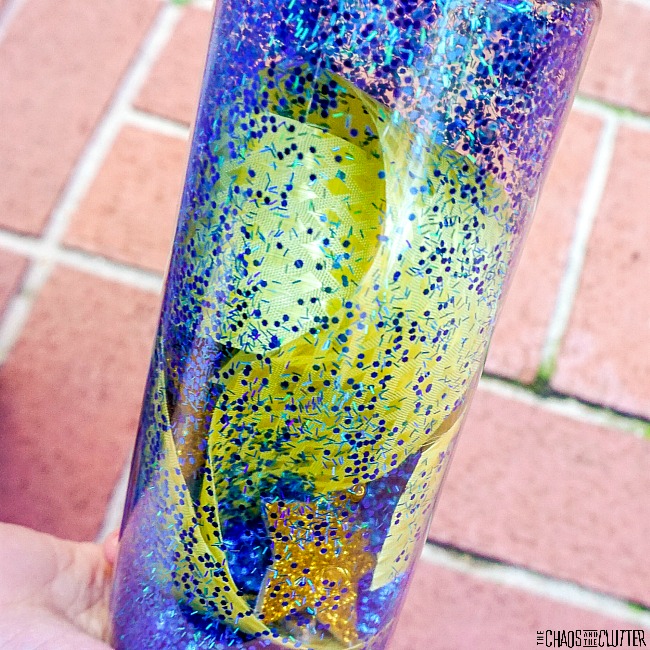

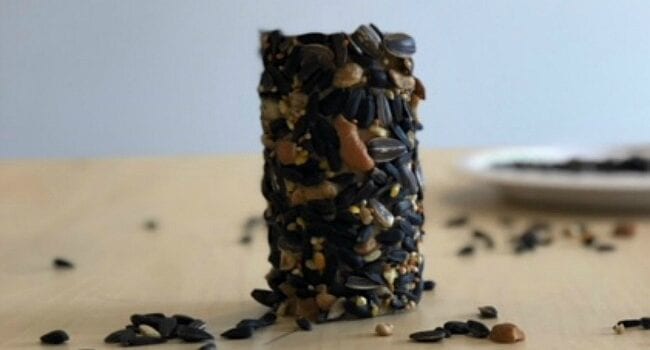
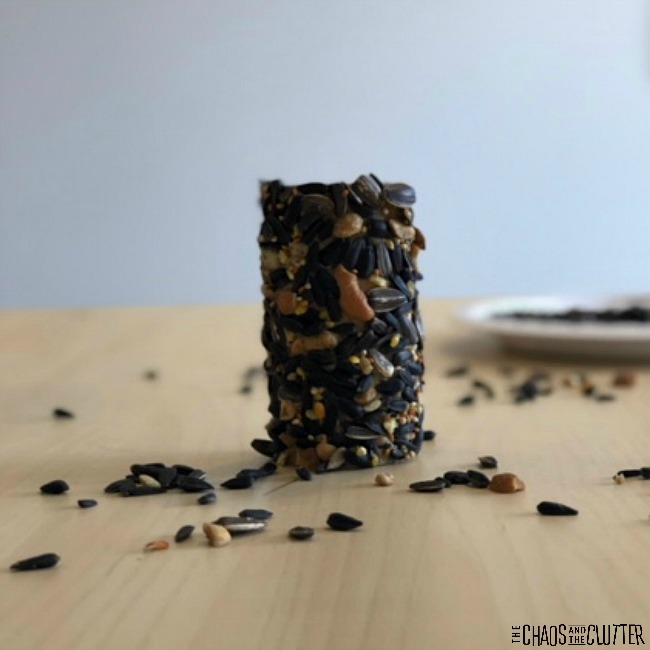
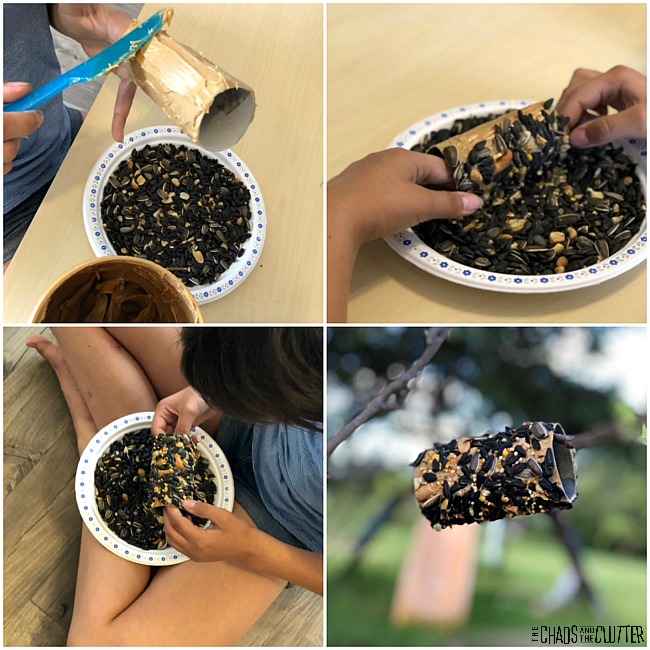
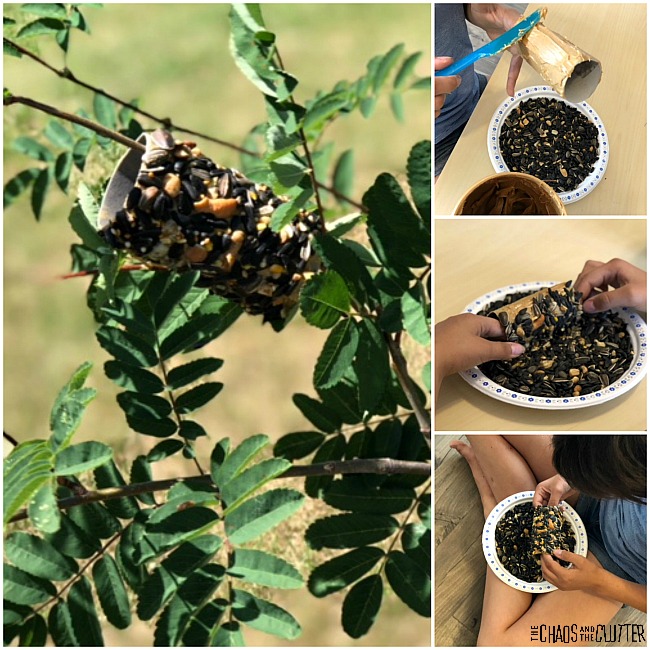
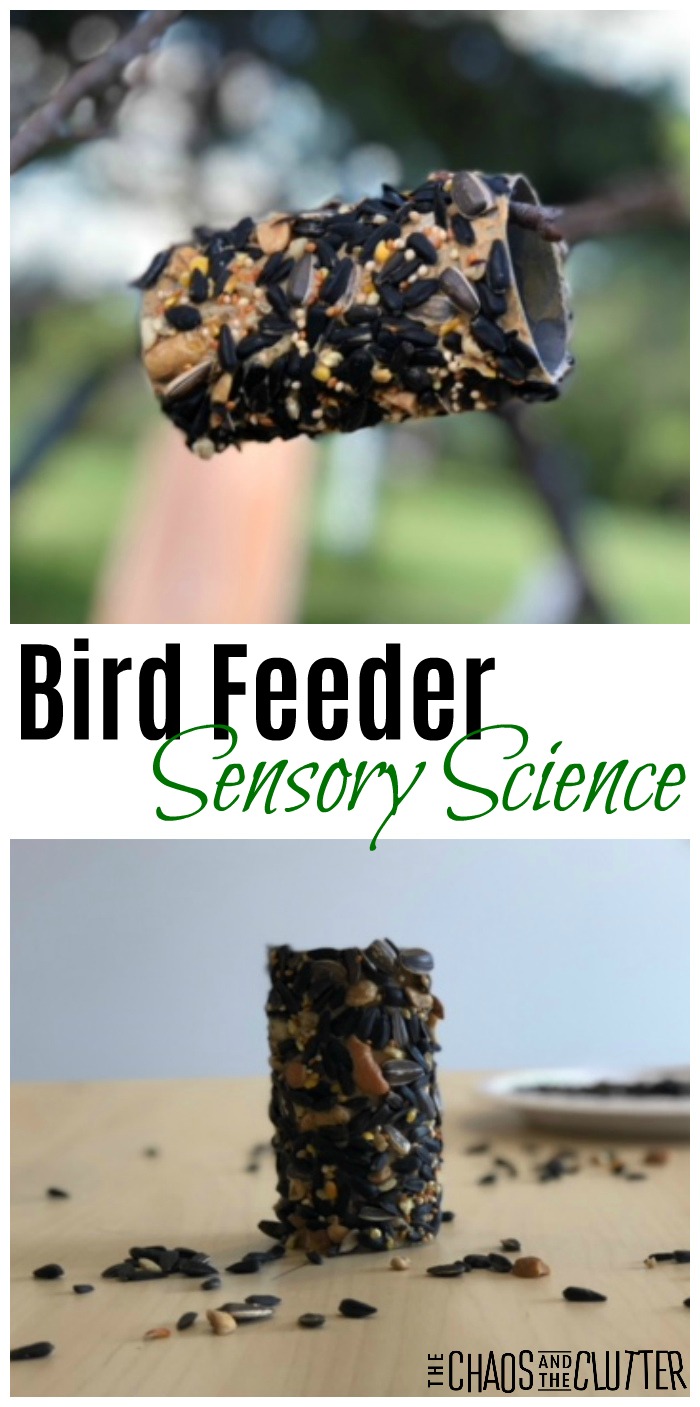 One thing I like about this project is how it engages the senses. The peanut butter and the bird seed both give olfactory (smell) sensory input. Rolling it in the bird seed and hanging it on a tree are excellent tactile input. And both making the bird feeder and later observing the birds who use it are visual.